Impact of data for forecasting on performance of model predictive control in buildings with smart energy storage
作者: Max Langtry, Vijja Wichitwechkarn, Rebecca Ward, Chaoqun Zhuang, Monika J. Kreitmair, Nikolas Makasis, Zack Xuereb Conti, Ruchi Choudhary
分类: eess.SY, cs.LG
发布日期: 2024-02-19 (更新: 2024-07-31)
备注: 36 pages, 22 figures
期刊: Energy and Buildings (2024)
DOI: 10.1016/j.enbuild.2024.114605
💡 一句话要点
提出数据优化策略以提升建筑智能能源存储的预测控制性能
🎯 匹配领域: 支柱一:机器人控制 (Robot Control)
关键词: 模型预测控制 建筑能源系统 数据优化 机器学习 多层感知器 预测准确性 数据效率 变更点分析
📋 核心要点
- 现有的模型预测控制方法在数据收集和利用上存在高成本和低效率的问题,影响了其在建筑能源系统中的应用效果。
- 论文提出通过优化数据使用策略,利用简单的多层感知器模型来提高预测准确性和数据效率,降低成本。
- 实验结果显示,使用超过两年的训练数据并未显著提升预测准确性,而重用模型和短期数据训练的模型误差平均高出基线10%。
📝 摘要(中文)
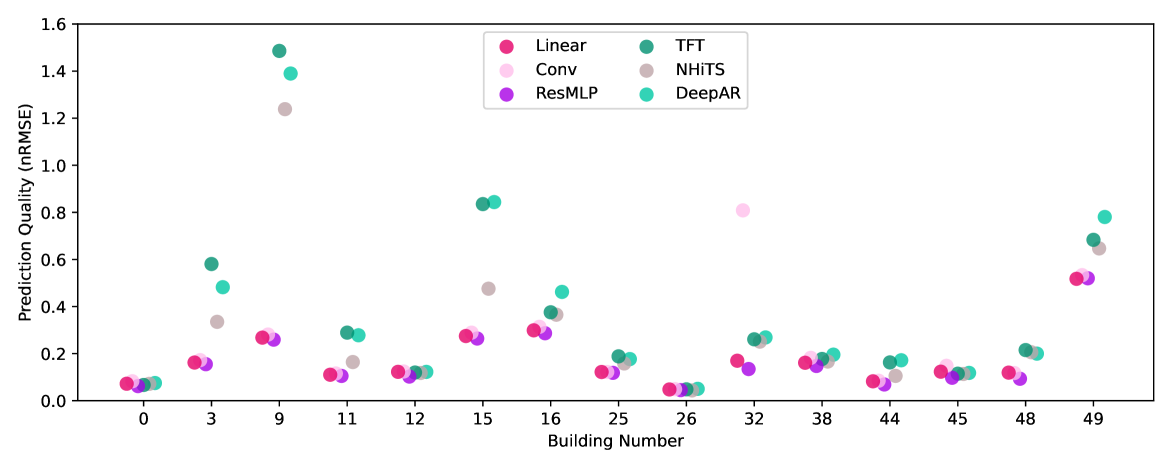
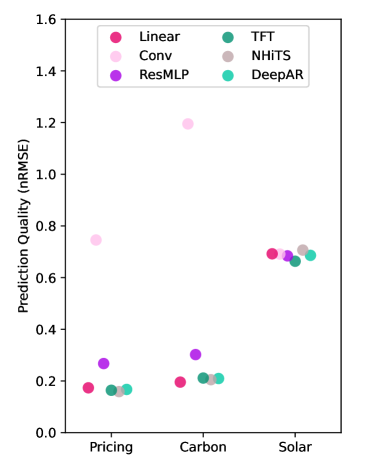
本研究探讨了在建筑能源系统中,数据对模型预测控制(MPC)性能的影响。数据收集和利用成本高昂,因此需要优化数据使用策略。通过对多建筑能源系统的模拟案例研究,评估了简单与先进机器学习预测模型的性能。研究量化了提高模型数据效率的措施对预测准确性的影响,包括重用预测模型、减少训练数据时长、减少模型数据特征及在线模型训练。结果表明,简单的多层感知器模型在数据效率和泛化能力上优于先进模型,而超过两年的训练数据对负载预测的准确性没有显著提升。通过变更点分析筛选训练数据,预测准确性和数据效率得以同时提升。
🔬 方法详解
问题定义:本研究旨在解决建筑能源系统中模型预测控制(MPC)对数据依赖性强、数据收集和利用成本高的问题。现有方法在数据效率和预测准确性上存在不足,影响了MPC的实际应用效果。
核心思路:论文提出通过优化数据使用策略,探索简单的多层感知器模型在预测准确性和数据效率上的优势,旨在降低MPC系统的经济负担。
技术框架:整体架构包括数据收集、模型训练、预测和控制四个主要模块。首先收集历史建筑能源数据,然后训练不同的预测模型,最后通过模型输出进行控制决策。
关键创新:最重要的技术创新在于提出了通过变更点分析筛选训练数据的方法,从而实现预测准确性和数据效率的双重提升。这一方法与传统的全量数据训练方式有本质区别。
关键设计:在模型设计上,采用了简单的多层感知器结构,设置了适当的损失函数以优化预测效果。研究还探讨了不同训练数据时长和特征数量对模型性能的影响。具体而言,使用3个月的数据训练模型的误差平均高出基线10%。
🖼️ 关键图片

📊 实验亮点
实验结果显示,简单的多层感知器模型在数据效率和泛化能力上优于先进模型,且使用超过两年的训练数据未显著提升预测准确性。通过变更点分析筛选训练数据,预测准确性和数据效率得以同时提升,重用模型和短期数据训练的模型误差平均高出基线10%。
🎯 应用场景
该研究的成果可广泛应用于建筑能源管理系统,特别是在智能能源存储和优化控制领域。通过优化数据使用策略,建筑管理者能够降低运营成本,提高能源利用效率,推动可持续发展。未来,该方法还可扩展至其他领域的预测控制系统,具有重要的实际价值和影响。
📄 摘要(原文)
Data is required to develop forecasting models for use in Model Predictive Control (MPC) schemes in building energy systems. However, data is costly to both collect and exploit. Determining cost optimal data usage strategies requires understanding of the forecast accuracy and resulting MPC operational performance it enables. This study investigates the performance of both simple and state-of-the-art machine learning prediction models for MPC in multi-building energy systems using a simulated case study with historic building energy data. The impact on forecast accuracy of measures to improve model data efficiency are quantified, specifically for: reuse of prediction models, reduction of training data duration, reduction of model data features, and online model training. A simple linear multi-layer perceptron model is shown to provide equivalent forecast accuracy to state-of-the-art models, with greater data efficiency and generalisability. The use of more than 2 years of training data for load prediction models provided no significant improvement in forecast accuracy. Forecast accuracy and data efficiency were improved simultaneously by using change-point analysis to screen training data. Reused models and those trained with 3 months of data had on average 10% higher error than baseline, indicating that deploying MPC systems without prior data collection may be economic.