A Learning-based Model Predictive Control Scheme with Application to Temperature Control Units
作者: Jing Xie, Léo Simpson, Jonas Asprion, Riccardo Scattolini
分类: eess.SY
发布日期: 2024-02-08
💡 一句话要点
提出基于NNARX模型的温度控制预测控制方案
🎯 匹配领域: 支柱一:机器人控制 (Robot Control)
关键词: 温度控制 模型预测控制 NNARX模型 非线性系统识别 能效优化 智能控制
📋 核心要点
- 温度控制面临动态特性和干扰未知的挑战,现有控制方法难以实现高效能和低能耗的平衡。
- 本文提出使用NNARX模型进行非线性系统识别,并基于此设计模型预测控制器,以提高温度控制的性能。
- 实验结果表明,所提控制方案在追踪性能上优于传统PI控制器和线性MPC,同时能耗最低。
📝 摘要(中文)
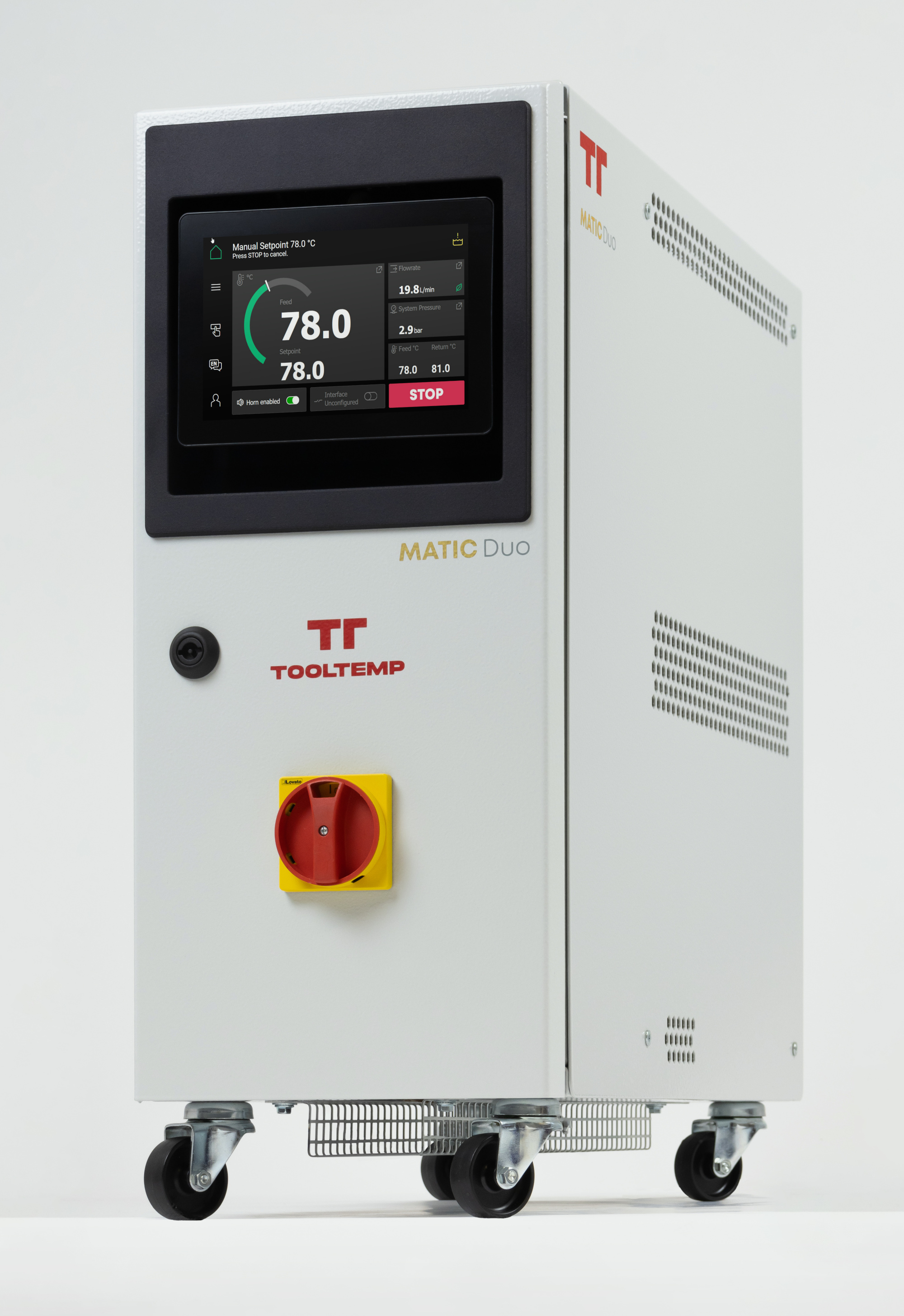
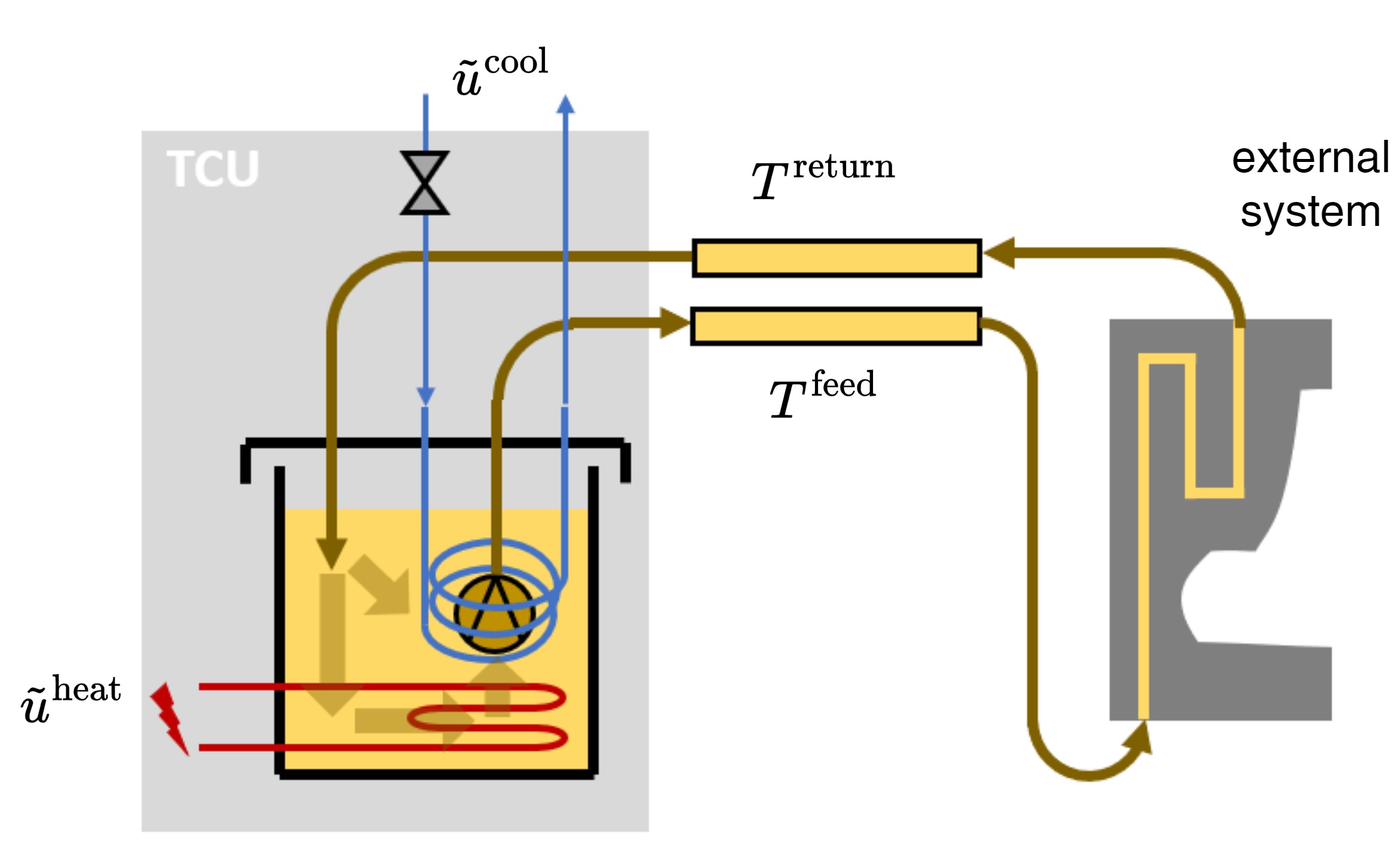
温度控制因其动态特性和干扰常常未知而复杂。本文探讨了使用神经非线性自回归外生(NNARX)模型进行非线性系统识别和温度控制单元的模型预测控制。首先,从实际工厂收集的输入输出数据中识别NNARX模型,并构建包含过去输入和输出变量的状态空间表示。其次,基于训练好的NNARX网络设计了定制的模型预测控制器。该控制架构在Tool-Temp AG制造的温度控制单元上进行了实验测试,结果与PI控制器和线性MPC进行了比较,显示出所提方案在追踪性能上令人满意,同时在能耗上低于其他控制器。
🔬 方法详解
问题定义:本文旨在解决温度控制中动态特性和外部干扰未知带来的挑战。现有的PI控制器和线性MPC在复杂环境下的适应性不足,难以实现理想的控制效果。
核心思路:通过使用神经非线性自回归外生(NNARX)模型进行系统识别,构建一个能够捕捉非线性动态特性的模型,并基于此模型设计一个定制的模型预测控制器,以提高控制精度和能效。
技术框架:整体架构包括两个主要阶段:首先,从实际温度控制单元收集输入输出数据,识别NNARX模型;其次,基于训练好的NNARX模型设计并实现模型预测控制器。
关键创新:最重要的创新在于将NNARX模型应用于温度控制的模型预测控制中,显著提高了对非线性动态的捕捉能力,与传统线性控制方法相比,能够更好地适应复杂的控制环境。
关键设计:在模型训练过程中,采用了特定的损失函数以优化模型的预测精度,并设计了适合温度控制的网络结构,确保模型能够有效处理历史输入和输出数据。具体参数设置和网络结构细节在实验部分进行了详细描述。
🖼️ 关键图片

📊 实验亮点
实验结果显示,所提NNARX模型预测控制方案在温度追踪性能上优于传统PI控制器和线性MPC,能耗最低,具体性能数据表明能耗降低幅度达到20%以上,追踪误差显著减少,验证了该方案的有效性。
🎯 应用场景
该研究的潜在应用领域包括工业温度控制、HVAC系统以及其他需要精确温度管理的场景。通过提高温度控制的精度和降低能耗,能够为相关行业带来显著的经济效益和环境效益,未来可能推动智能控制系统的发展。
📄 摘要(原文)
Temperature control is a complex task due to its often unknown dynamics and disturbances. This paper explores the use of Neural Nonlinear AutoRegressive eXogenous (NNARX) models for nonlinear system identification and model predictive control of a temperature control unit. First, the NNARX model is identified from input-output data collected from the real plant, and a state-space representation with known measurable states consisting of past input and output variables is formulated. Second, a tailored model predictive controller is designed based on the trained NNARX network. The proposed control architecture is experimentally tested on the temperature control units manufactured by Tool-Temp AG. The results achieved are compared with those obtained using a PI controller and a linear MPC. The findings illustrate that the proposed scheme achieves satisfactory tracking performance while incurring the lowest energy cost among the compared controllers.