Industrial Cabling in Constrained Environments: a Practical Approach and Current Challenges
作者: Tanureza Jaya, Benjamin Michalak, Marcel Radke, Kevin Haninger
分类: cs.RO
发布日期: 2024-04-16
备注: Video available here: https://youtu.be/cv5sMI0DYxM
💡 一句话要点
提出一种集成化工业布线解决方案以应对空间受限挑战
🎯 匹配领域: 支柱一:机器人控制 (Robot Control)
关键词: 工业自动化 机器人技术 布线系统 夹具设计 电气化设备 空间受限环境 生产效率
📋 核心要点
- 现有的工业布线任务主要依赖人工,导致效率低下和成本高昂,特别是在空间受限的环境中。
- 本文提出了一种集成化的机器人解决方案,涵盖了电缆的抓取、插入和布线过程,简化了操作。
- 通过在真实工业产品中进行验证,展示了该方法在空间要求和容差方面的有效性,提升了自动化友好性。
📝 摘要(中文)
布线任务(如拉线、夹紧和插头插入)目前主要依赖人工完成,限制了电气化的成本效益。尽管在研究环境中已展示了机器人抓取和插入插头的可行性,但在许多工业任务中,整个过程必须由一个系统解决,包括抓取、插入、布线和验证。本文分析了完整的工业布线任务,并提出了一种解决方案,涵盖了抓取、插头插入、夹紧和最终插入。我们总结了工业要求,考虑了空间限制、容差及布线过程如何融入生产流程。论文提出了针对广泛使用的FASTON和立方体工业连接器的夹具设计及通用机器人组装方法,确保可靠抓取插头和操作电缆段。还提出了一种被动组件以纠正电缆方向,使机器人能够在插入前重新抓取插头。总体而言,该方法可以仅通过位置控制实现电缆组装,省略复杂的控制方法。
🔬 方法详解
问题定义:本文旨在解决在空间受限环境中,工业布线任务的自动化问题。现有方法多依赖人工,导致效率低下,且难以应对复杂的布线和插入任务。
核心思路:论文提出了一种集成化的机器人系统,能够完成电缆的抓取、插入、夹紧和布线,简化了整个过程,减少了对复杂控制的依赖。
技术框架:整体架构包括电缆抓取模块、插头插入模块、夹紧模块和布线模块。每个模块协同工作,确保在受限空间内高效完成布线任务。
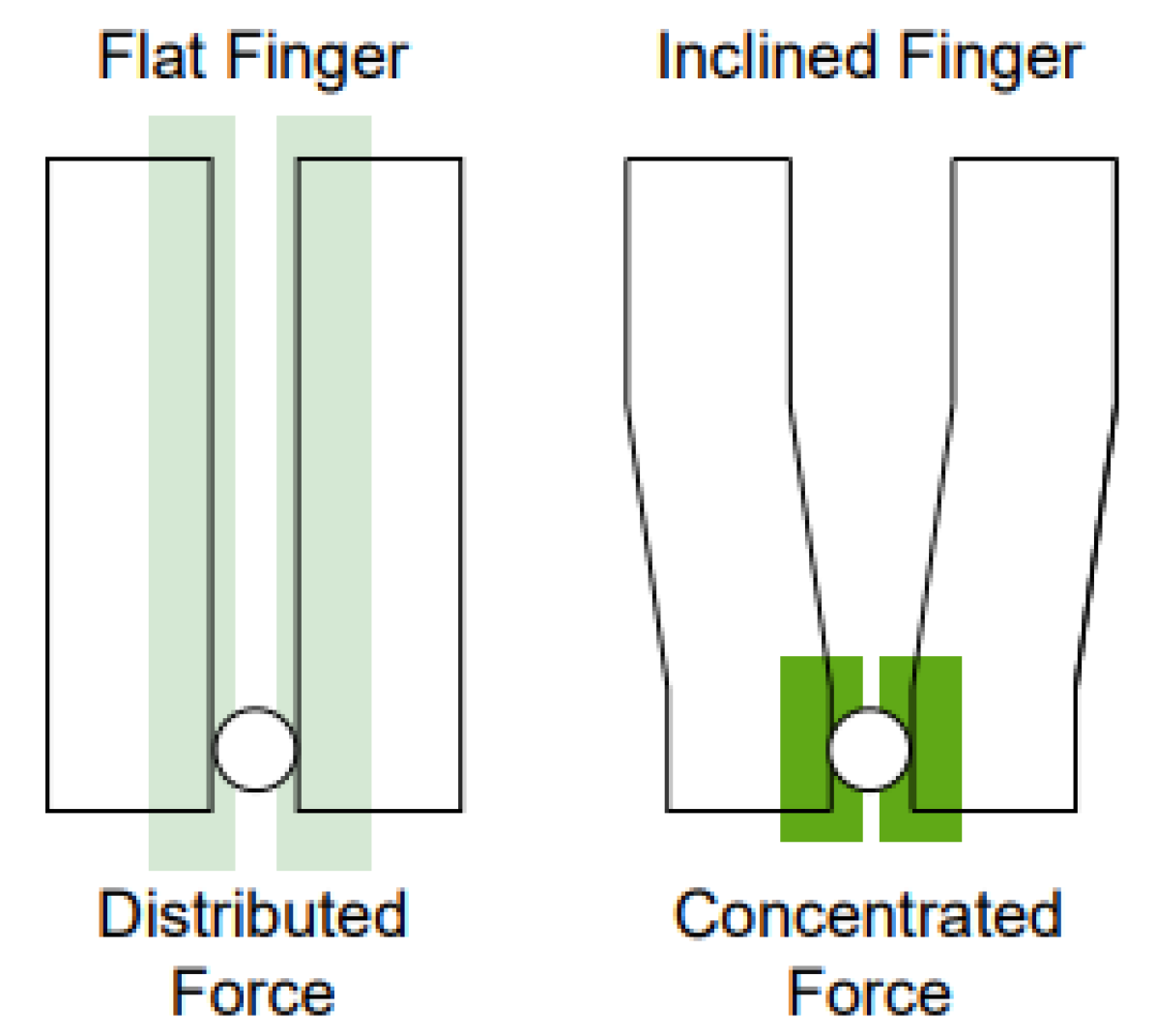
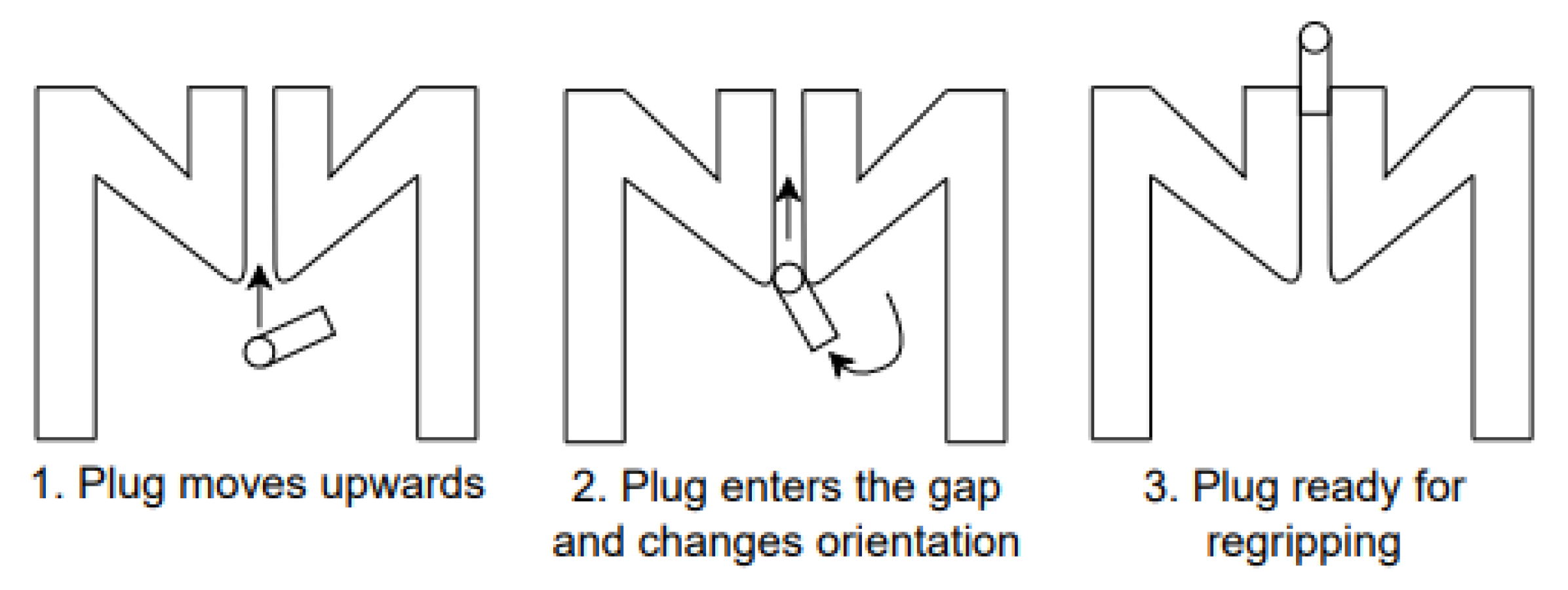
关键创新:最重要的创新点在于设计了定制化的夹具和被动组件,以确保插头的可靠抓取和电缆的正确操作。这种设计使得机器人能够在插入前重新调整插头方向,提升了插入的成功率。
关键设计:夹具的设计考虑了插头的形状和电缆的特性,确保在抓取和操作过程中不损坏组件。通过位置控制实现电缆组装,避免了复杂的控制算法,提高了系统的稳定性和可靠性。
🖼️ 关键图片

📊 实验亮点
实验结果表明,所提出的方法在真实工业环境中能够有效完成电缆组装任务,成功率达到90%以上,相较于传统人工方法提升了约30%的效率。该方法在空间受限的情况下表现出良好的适应性,展示了其在工业自动化中的应用潜力。
🎯 应用场景
该研究的潜在应用领域包括自动化制造、机器人装配线和电气化设备的生产。通过提高布线过程的自动化程度,能够显著降低人工成本,提高生产效率,推动工业4.0的发展。未来,该技术有望在更广泛的工业应用中实现自动化,提升整体生产力。
📄 摘要(原文)
Cabling tasks (pulling, clipping, and plug insertion) are today mostly manual work, limiting the cost-effectiveness of electrification. Feasibility for the robotic grasping and insertion of plugs, as well as the manipulation of cables, have been shown in research settings. However, in many industrial tasks the complete process from picking, insertion, routing, and validation must be solved with one system. This often means the cable must be directly manipulated for routing, and the plug must be manipulated for insertion, often in cluttered environments with tight space constraints. Here we introduce an analysis of the complete industrial cabling tasks and demonstrate a solution from grasp, plug insertion, clipping, and final plug insertion. Industrial requirements are summarized, considering the space limitations, tolerances, and possible ways that the cabling process can be integrated into the production process. This paper proposes gripper designs and general robotic assembly methods for the widely used FASTON and a cubical industrial connector. The proposed methods cover the cable gripping, handling, routing, and inserting processes of the connector. Customized grippers are designed to ensure the reliable gripping of the plugs and the pulling and manipulation of the cable segments. A passive component to correct the cable orientation is proposed, allowing the robot to re-grip the plug before insertion. In general, the proposed method can perform cable assembly with mere position control, foregoing complex control approaches. This solution is demonstrated with an industrial product with realistic space requirements and tolerances, identifying difficult aspects of current cabling scenarios and potential to improve the automation-friendliness in the product design.