Data-Driven System Identification of Quadrotors Subject to Motor Delays
作者: Jonas Eschmann, Dario Albani, Giuseppe Loianno
分类: cs.RO, eess.SY
发布日期: 2024-04-11 (更新: 2024-09-24)
备注: Accepted at IROS 2024
💡 一句话要点
提出数据驱动方法以识别四旋翼的电机延迟问题
🎯 匹配领域: 支柱一:机器人控制 (Robot Control) 支柱二:RL算法与架构 (RL & Architecture)
关键词: 四旋翼 系统识别 电机延迟 数据驱动 模型预测控制 强化学习 动态参数估计
📋 核心要点
- 现有的四旋翼控制方法在系统识别上依赖于额外设备,且电机延迟等重要因素常被忽视。
- 本文提出了一种基于自我感知数据的识别方法,能够在不依赖额外设备的情况下估计四旋翼的关键参数。
- 实验结果显示,该方法能够准确恢复多个四旋翼的参数,并支持在复杂环境下的控制应用。
📝 摘要(中文)
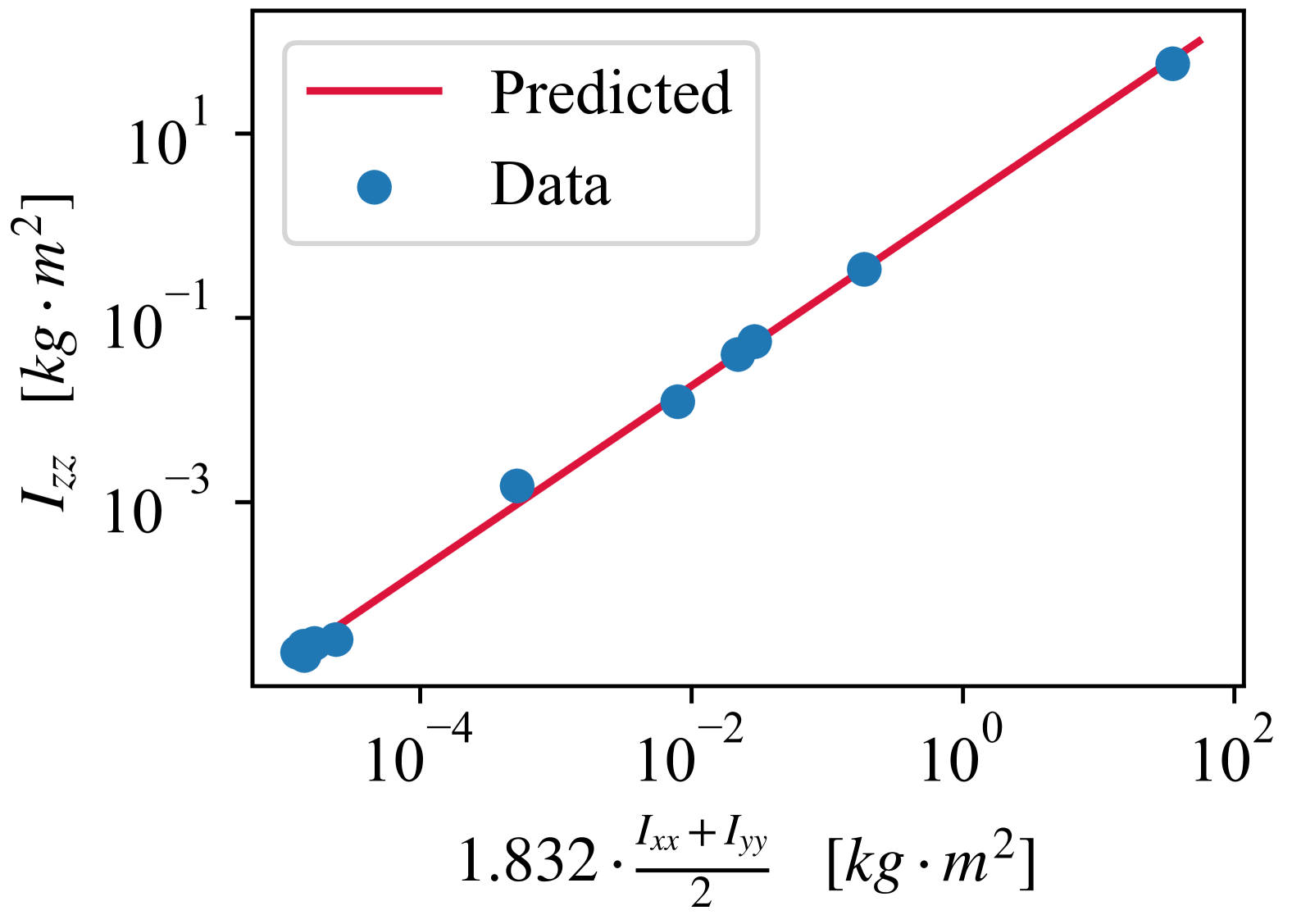
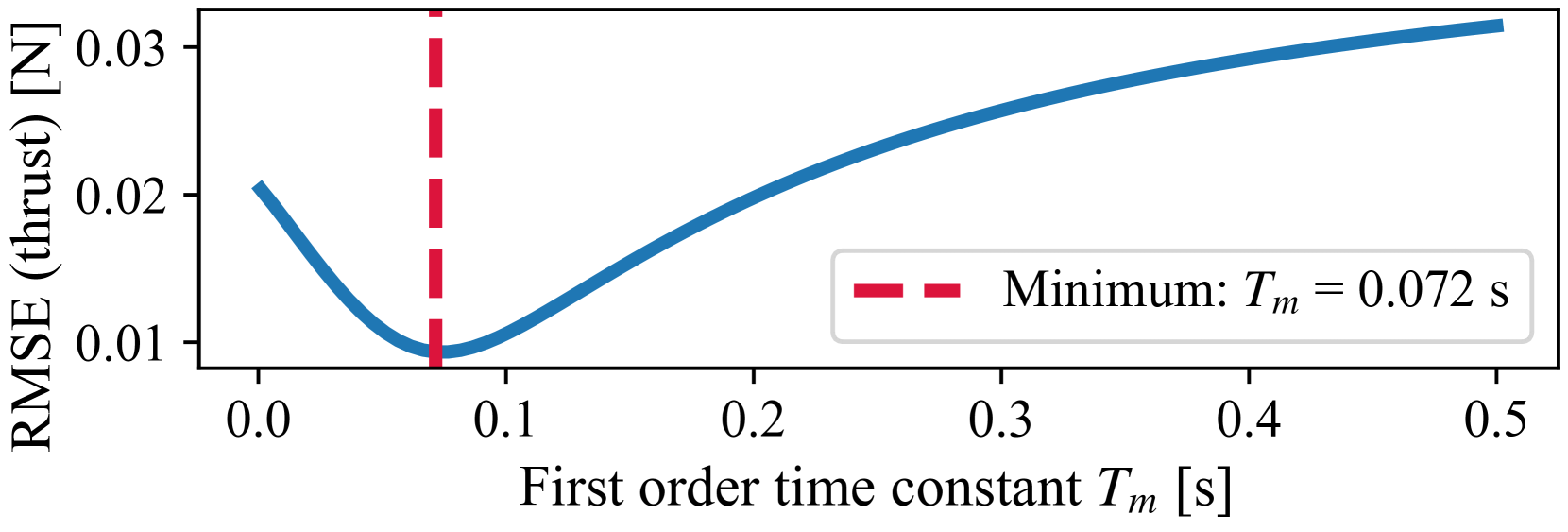
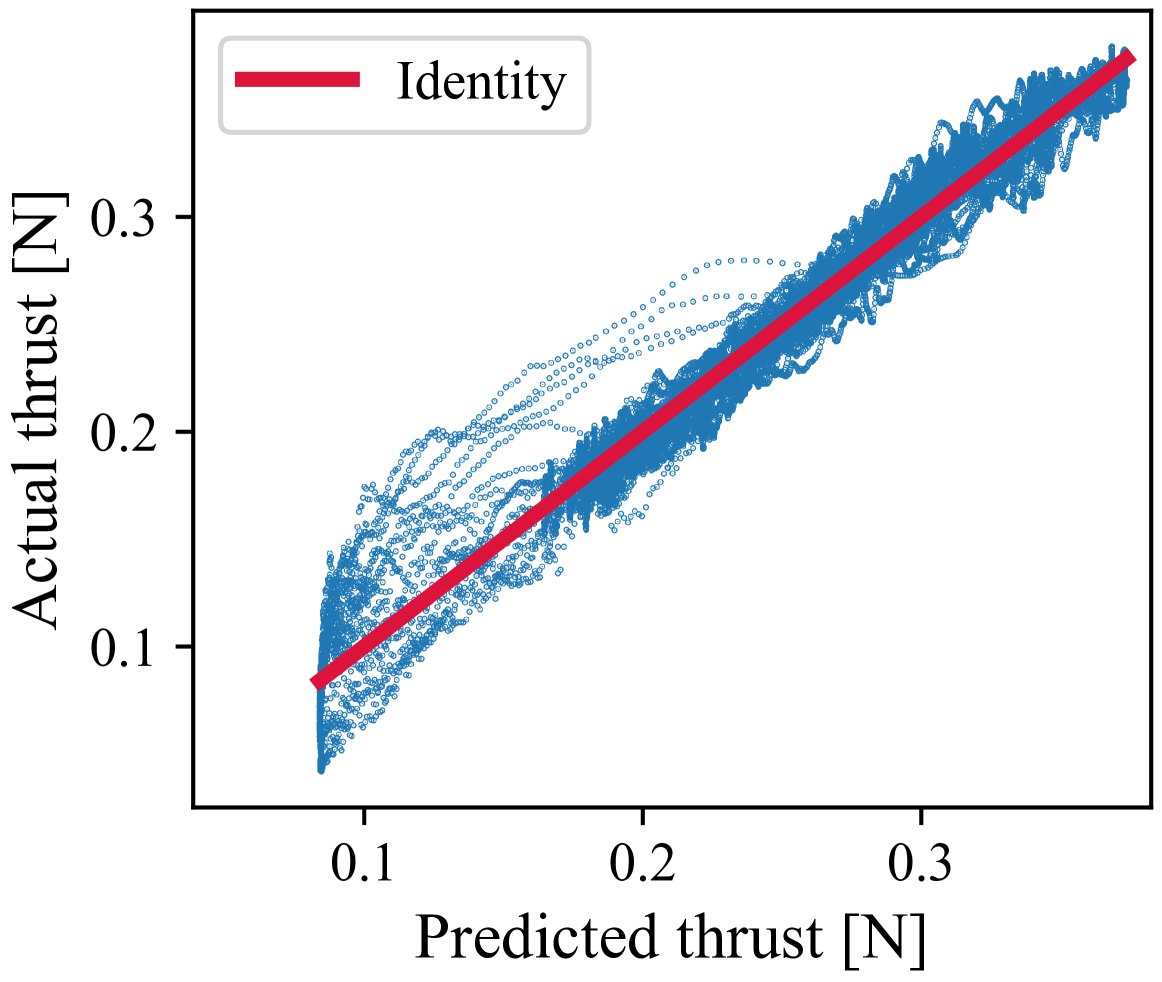
近年来,非线性控制方法如模型预测控制(MPC)和强化学习(RL)在四旋翼控制领域受到越来越多的关注。与经典的级联PID控制方法相比,MPC和RL在很大程度上依赖于系统动态的准确模型。四旋翼系统识别过程通常繁琐,且常常需要额外设备如推力台。此外,电机延迟等低级细节对准确的端到端控制至关重要,但往往被忽视。本文提出了一种基于数据驱动的方法,通过自我感知数据识别四旋翼的惯性参数、推力曲线、扭矩系数和一阶电机延迟。我们推导出一种基于最大后验估计(MAP)的方法来估计潜在的时间常数。该方法仅需约一分钟的飞行数据,且通常只需三种简单的机动。实验结果表明,我们的方法能够准确恢复多架四旋翼的参数,并促进在恶劣户外条件下基于RL的四旋翼控制的部署。
🔬 方法详解
问题定义:本文旨在解决四旋翼系统识别中的电机延迟问题,现有方法通常依赖额外设备,且难以准确捕捉电机延迟等低级动态特性。
核心思路:提出了一种基于数据驱动的识别方法,通过自我感知数据来估计四旋翼的惯性参数、推力曲线、扭矩系数及电机延迟,简化了识别过程。
技术框架:该方法的整体架构包括数据采集、参数估计和模型验证三个主要模块。首先,通过简单的飞行动作收集数据,然后应用MAP方法进行参数估计,最后通过实验验证模型的准确性。
关键创新:最重要的创新在于能够在没有额外设备的情况下,仅通过短时间的飞行数据来准确估计电机延迟和其他动态参数,这在现有文献中尚属首次。
关键设计:在参数设置上,采用了最大后验估计(MAP)方法来估计时间常数,损失函数设计为最小化参数估计误差,确保模型的准确性和鲁棒性。
🖼️ 关键图片
📊 实验亮点
实验结果表明,该方法能够在约一分钟的飞行数据中准确恢复多个四旋翼的动态参数,尤其是在电机延迟的估计上表现出色。与传统方法相比,识别精度显著提高,且无需额外设备,极大地降低了实验成本。
🎯 应用场景
该研究的潜在应用领域包括无人机自主飞行、复杂环境下的任务执行以及强化学习驱动的控制系统。通过简化四旋翼的系统识别过程,能够加速无人机的开发与部署,提升其在实际应用中的可靠性与效率。
📄 摘要(原文)
Recently non-linear control methods like Model Predictive Control (MPC) and Reinforcement Learning (RL) have attracted increased interest in the quadrotor control community. In contrast to classic control methods like cascaded PID controllers, MPC and RL heavily rely on an accurate model of the system dynamics. The process of quadrotor system identification is notoriously tedious and is often pursued with additional equipment like a thrust stand. Furthermore, low-level details like motor delays which are crucial for accurate end-to-end control are often neglected. In this work, we introduce a data-driven method to identify a quadrotor's inertia parameters, thrust curves, torque coefficients, and first-order motor delay purely based on proprioceptive data. The estimation of the motor delay is particularly challenging as usually, the RPMs can not be measured. We derive a Maximum A Posteriori (MAP)-based method to estimate the latent time constant. Our approach only requires about a minute of flying data that can be collected without any additional equipment and usually consists of three simple maneuvers. Experimental results demonstrate the ability of our method to accurately recover the parameters of multiple quadrotors. It also facilitates the deployment of RL-based, end-to-end quadrotor control of a large quadrotor under harsh, outdoor conditions.