Dual-Arm Construction Robot for Automatic Fixation of Structural Parts to Concrete Surfaces in Narrow Environments
作者: André Yuji Yasutomi, Toshiaki Hatano, Kanta Hamasaki, Makoto Hattori, Daisuke Matsuka
分类: cs.RO
发布日期: 2024-03-29
备注: Published in 2023 IEEE/SICE International Symposium on System Integration (SII) on 17 January 2023
期刊: 2023 IEEE/SICE International Symposium on System Integration (SII), Atlanta, GA, USA, 2023, pp. 1-7
DOI: 10.1109/SII55687.2023.10039387
💡 一句话要点
提出双臂施工机器人以解决狭窄环境下结构件固定问题
🎯 匹配领域: 支柱一:机器人控制 (Robot Control)
关键词: 施工机器人 结构件固定 自动化技术 狭窄环境 模块化设计 定制工具 机器人系统
📋 核心要点
- 现有的自动化技术未能实现结构件的完全固定,且在狭窄施工环境中实施困难。
- 本研究提出了一种双臂施工机器人系统,能够同时定位和固定结构件,并使用定制工具降低反作用力。
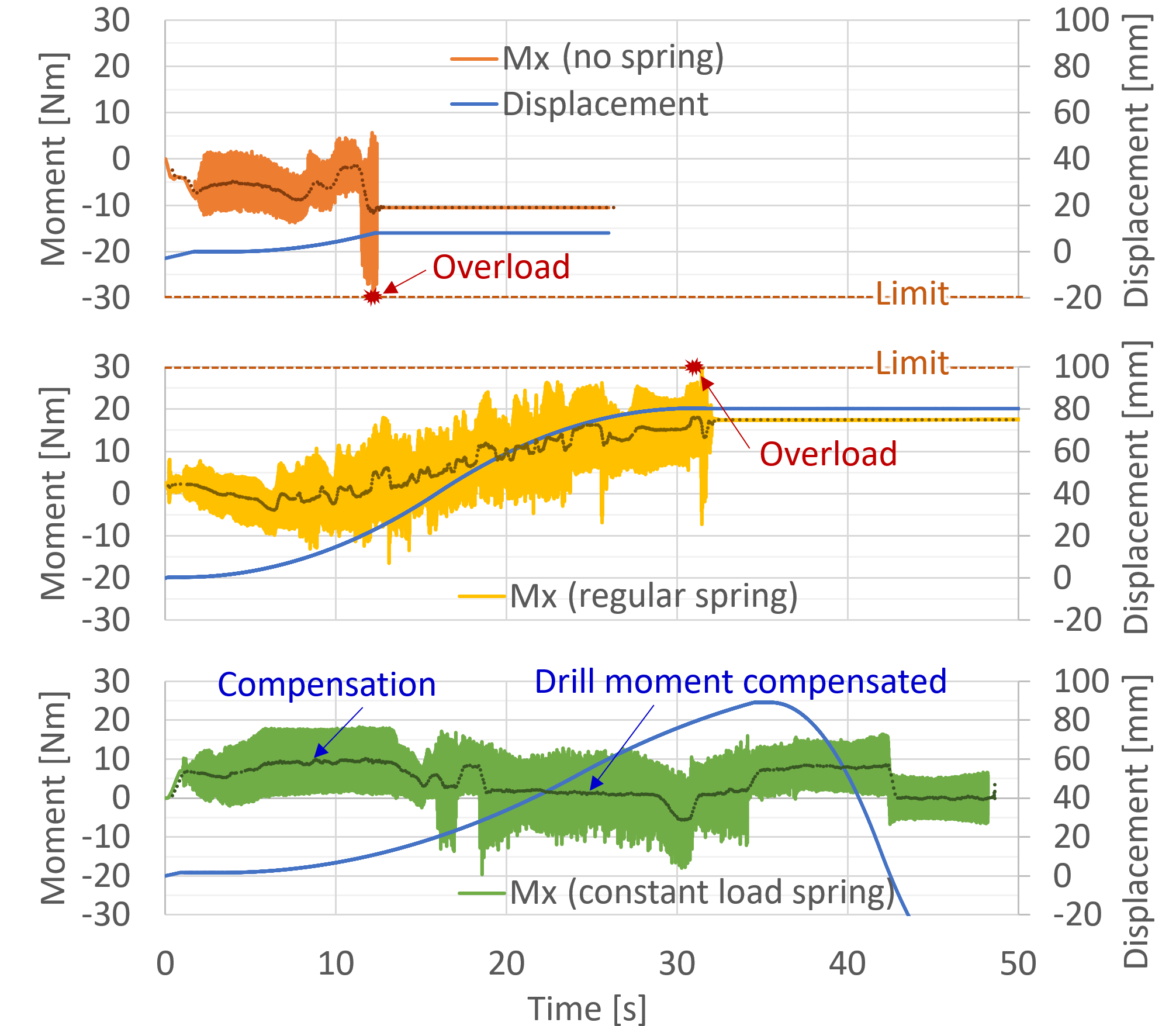
- 实验结果表明,定制工具使得小型机器人在关节处不会出现过载,实现了结构件的自动固定。
📝 摘要(中文)
结构件固定到混凝土表面是一项重复性、重体力且耗时的任务,因缺乏熟练的施工工人而亟需自动化。以往的自动化技术未能实现结构件的完全固定,并且在狭窄的施工环境中实施困难。本研究提出了一种施工机器人系统,能够在混凝土上完全安装结构件,并且易于引入到非结构化和狭窄的施工环境中。该系统包括两个臂部,可以同时定位和固定结构件,并配备定制工具以减少施加于机器人的反作用力,从而使得可以使用更小的机器人并降低负载。由于该系统的模块化设计,可以分部分运输,便于引入施工环境。实验结果表明,定制工具使得小型机器人在关节处不会出现过载,从而实现了结构件的自动固定。
🔬 方法详解
问题定义:本论文旨在解决在狭窄环境中将结构件固定到混凝土表面的问题。现有方法在实现完全固定方面存在不足,且难以适应狭窄的施工环境。
核心思路:论文提出的双臂施工机器人系统通过同时操作两个臂部来定位和固定结构件,结合定制工具以降低施加于机器人的反作用力,允许使用更小的机器人。
技术框架:该系统的整体架构包括两个机械臂、定制工具和模块化设计。机器人通过协调两个臂部的动作,实现结构件的精确定位和固定。模块化设计使得系统可以分部分运输,便于在施工现场的引入。
关键创新:本研究的主要创新在于定制工具的设计,这些工具能够有效降低施加于机器人关节的反作用力,使得小型机器人能够在不出现过载的情况下进行操作。这一设计与传统方法相比,显著提高了机器人在狭窄环境中的适应性和灵活性。
关键设计:在设计中,定制工具的参数设置经过精细调校,以确保在固定过程中反作用力的最小化。此外,机器人关节的负载能力经过优化,以适应不同的施工场景和结构件的重量。整体系统的模块化设计也考虑了运输和组装的便利性。
🖼️ 关键图片


📊 实验亮点
实验结果显示,使用定制工具后,小型机器人在关节处未出现过载,成功实现了结构件的自动固定。与传统方法相比,该系统在狭窄环境中的适应性和操作灵活性显著提升,展示了良好的实用性和可靠性。
🎯 应用场景
该研究的施工机器人系统具有广泛的应用潜力,尤其是在城市建设、桥梁修复和狭窄空间的结构安装等领域。通过实现结构件的自动固定,能够显著提高施工效率,降低人力成本,并且在未来可能推动建筑行业的自动化进程。
📄 摘要(原文)
Fixation of structural parts to concrete is a repetitive, heavy-duty, and time-consuming task that requires automation due to the lack of skilled construction workers. Previously developed automation techniques have not achieved the complete fixation of structural parts and are difficult to implement in narrow construction environments. In this study, we propose a construction robot system that enables the complete installation of structural parts to concrete and can be easily introduced to unstructured and narrow construction environments. The system includes two arms that simultaneously position and fix the structural parts, and custom tools that reduce the reaction force applied to the robots so that smaller robots can be used with lower payloads. Due to the modular design of the proposed system, it can be transported in parts for easy introduction to the construction environment. We also propose a procedure for fixing structural parts. Experimental results demonstrate that the custom tools make it possible to use smaller robots without moment overload in the robot joints. Moreover, the results show that the proposed robot system and fixation procedure enable automatic fixation of a structural part to concrete.