Humanoid Robots and Humanoid AI: Review, Perspectives and Directions
作者: Longbing Cao
分类: cs.RO
发布日期: 2024-03-19 (更新: 2025-10-12)
备注: 35 pages, 3 figures
💡 一句话要点
综述人形机器人与人形人工智能的研究现状与未来方向
🎯 匹配领域: 支柱一:机器人控制 (Robot Control) 支柱九:具身大模型 (Embodied Foundation Models)
关键词: 人形机器人 人形人工智能 生成式人工智能 多模态设计 人性化服务 智能交互 技术发展
📋 核心要点
- 现有的人形机器人虽然外观类似人类,但在智能和人性方面仍显不足,未能达到人类水平。
- 本文通过对约30个已报道的人形机器人的综述,提出了系统的术语和范式,推动人形人工智能的研究。
- 研究揭示了人形机器人在功能和非功能规格上的人性化进展,为未来的技术发展提供了新方向。
📝 摘要(中文)
在近一个世纪的机器人发展历程中,人形机器人自六十年前首次问世。尽管现有的人形机器人外观类似人类,但尚未具备真正的人性,距离实现人类水平的智能仍有差距。近年来,生成式人工智能和多模态大语言模型的快速进展重新激发了对人形机器人的兴趣,推动其在实时交互和多模态设计中的应用,如人形工作者、顾问、教育者、医疗专业人员、护理人员和接待员等。这为将人工智能机器人转变为新一代人形人工智能机器人提供了无限机会。本文对约30个已报道的人形机器人进行了独特而全面的综述,揭示了人类外观到人类水平的系统术语和范式景观,激发了人形人工智能的新视角和方向。
🔬 方法详解
问题定义:本文旨在解决人形机器人在智能和人性方面的不足,现有方法未能实现真正的人类水平的智能和交互能力。
核心思路:通过对现有约30个机器人进行系统性综述,提出人形人工智能的研究方向,强调从人类外观向人性化转变的重要性。
技术框架:研究框架包括对人形机器人的分类、功能分析以及人性化设计的探讨,涵盖了技术和应用的多维度视角。
关键创新:最重要的创新在于提出了人形人工智能的系统性术语和范式,明确了人性化设计的必要性和可行性,与传统机器人研究形成鲜明对比。
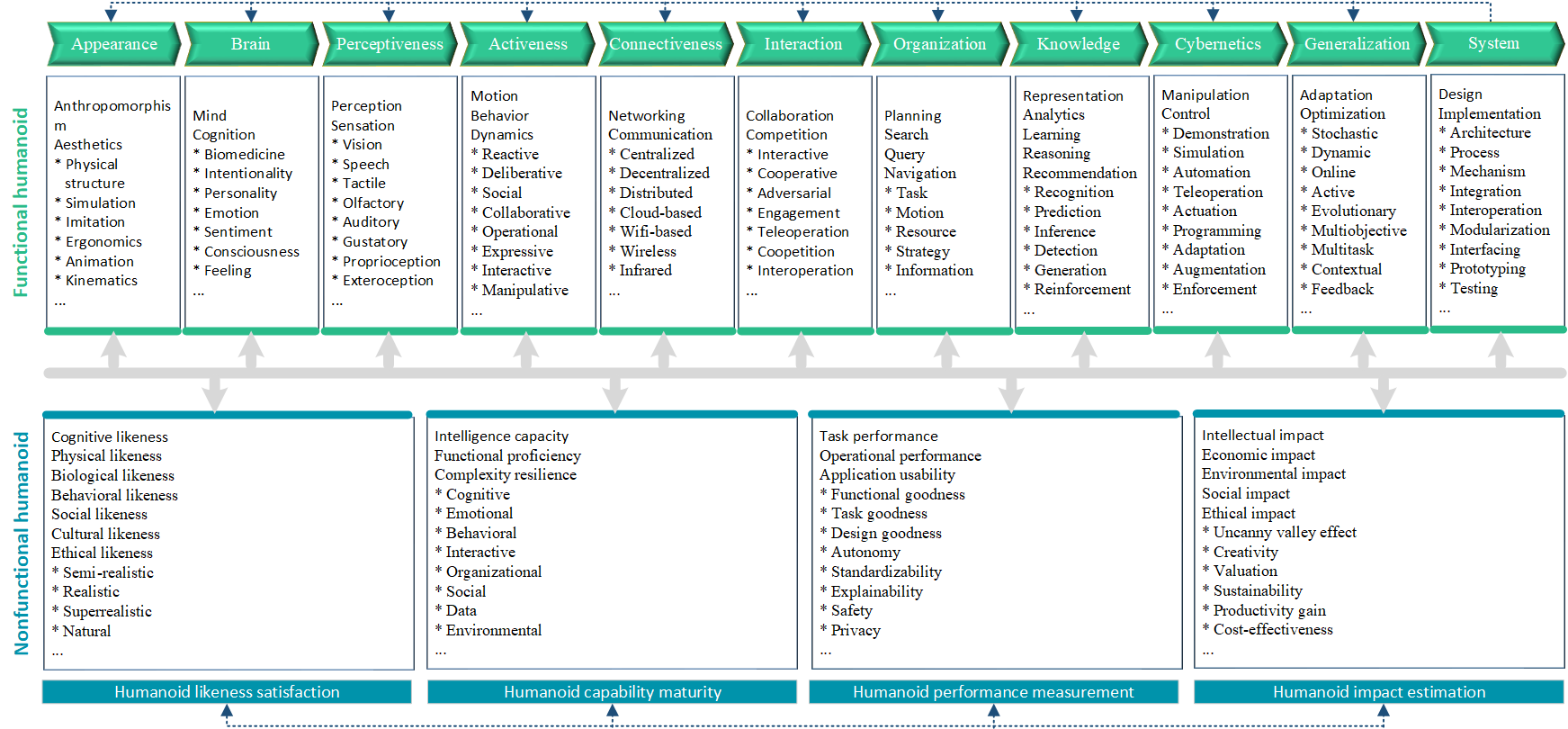
关键设计:在设计中,强调了功能与非功能规格的结合,提出了人性化设计的具体参数和评估标准,以促进技术的实际应用。
🖼️ 关键图片
📊 实验亮点
研究结果显示,通过系统性综述和人性化设计的提出,能够显著提升人形机器人的交互能力和智能水平,为未来的技术发展奠定了基础。具体性能数据尚未披露,待进一步研究验证。
🎯 应用场景
该研究的潜在应用领域包括教育、医疗、服务行业等,能够通过人形机器人提供更为人性化的服务,提升用户体验。未来,随着技术的进步,人形人工智能有望在更多领域实现广泛应用,推动社会的智能化进程。
📄 摘要(原文)
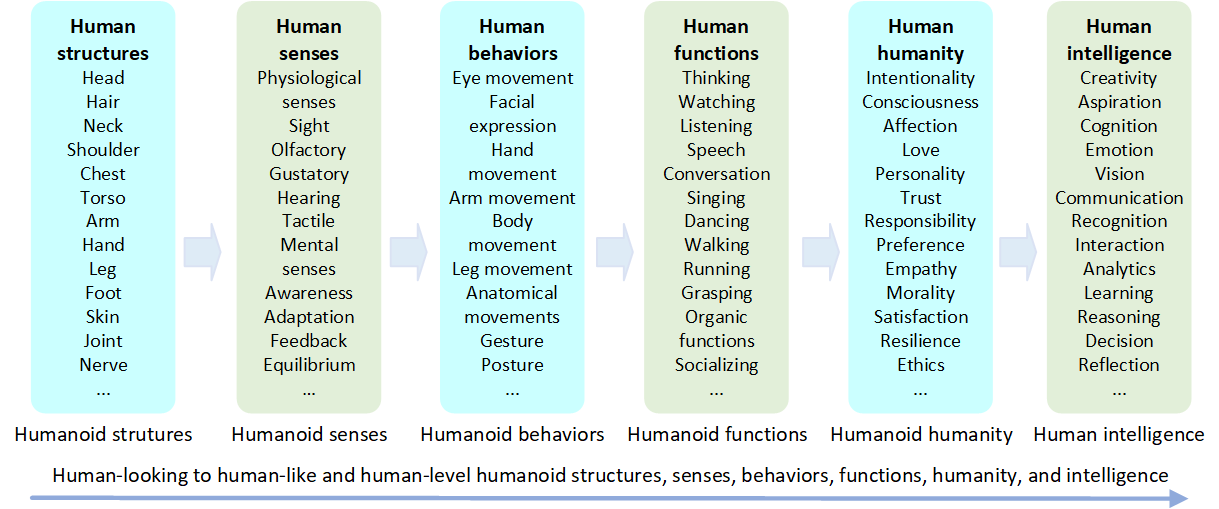
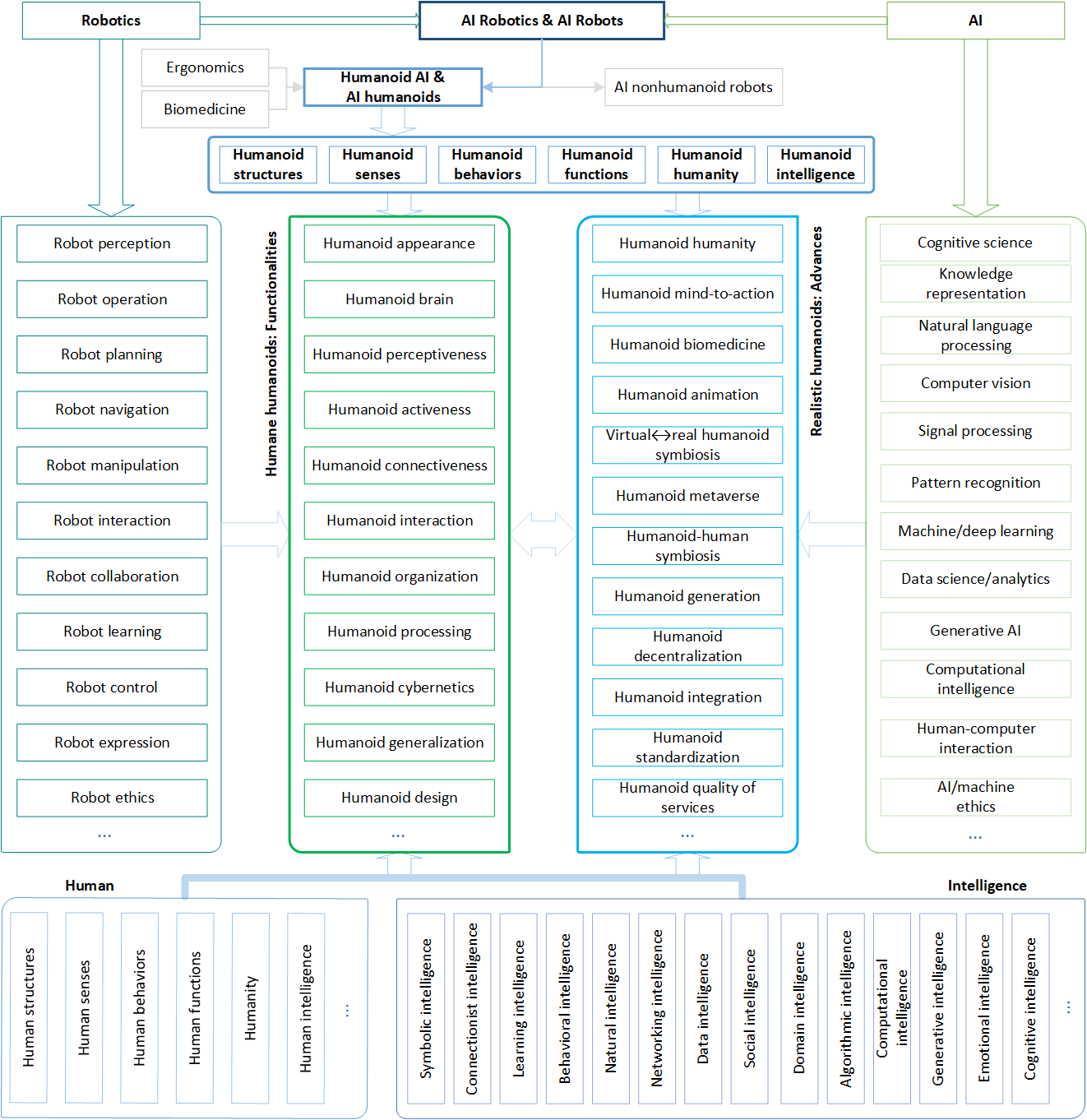
In the approximately century-long journey of robotics, humanoid robots made their debut around six decades ago. While current humanoids bear human-like appearances, none have embodied true humaneness, remaining distant from achieving human-like to human-level intelligence. The rapid recent advancements in generative AI and (multimodal) large language models have further reignited and escalated interest in humanoids towards real-time, interactive, and multimodal designs and applications, such as fostering humanoid workers, advisers, educators, medical professionals, caregivers, and receptionists. These unveil boundless opportunities of transforming 1) AI robotics into a research era of humanoid AI, and 2) AI robots into new-generation humanoid AI robots (AI humanoids). Our unique and comprehensive review of about 30 reported humanoids discloses a systematic terminology and a paradigmatic landscape of human-looking to human-like and human-level humanoids. It inspires comprehensive new perspectives and directions of humanoid AI as an area: transitioning from human-looking to humane humanoids, humanizing humanoids with functional and nonfunctional specifications, and cultivating technical and actionable advances of AI humanoids. Humanoid AI and AI humanoids nurture symbiotic advancements and future opportunities of synthesizing and transforming humanity modeling and conventional, generative to human-level AI into humanoid robotics.