Ergonomic Optimization in Worker-Robot Bimanual Object Handover: Implementing REBA Using Reinforcement Learning in Virtual Reality
作者: Mani Amani, Reza Akhavian
分类: cs.RO
发布日期: 2024-03-18
备注: Submitted to Safety Science
💡 一句话要点
提出基于强化学习的REBA框架以优化人机协作中的物体交接
🎯 匹配领域: 支柱一:机器人控制 (Robot Control) 支柱二:RL算法与架构 (RL & Architecture)
关键词: 人机协作 强化学习 人体工学 虚拟现实 物体交接 安全评估 逆向运动学
📋 核心要点
- 现有方法在评估人机交互的安全性时,往往忽视了人体工学,导致长期使用可能引发健康问题。
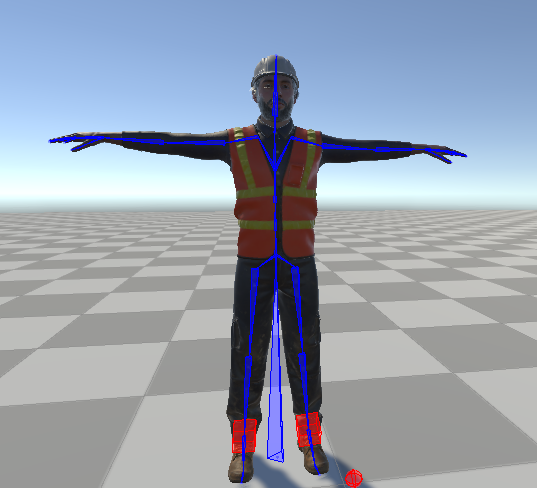
- 本文提出通过强化学习优化人体工学评分,利用虚拟现实和逆向运动学模拟人类运动机制。
- 实验结果显示,该框架在物体交接任务中优于传统的经验法则,能够有效找到最佳交接坐标。
📝 摘要(中文)
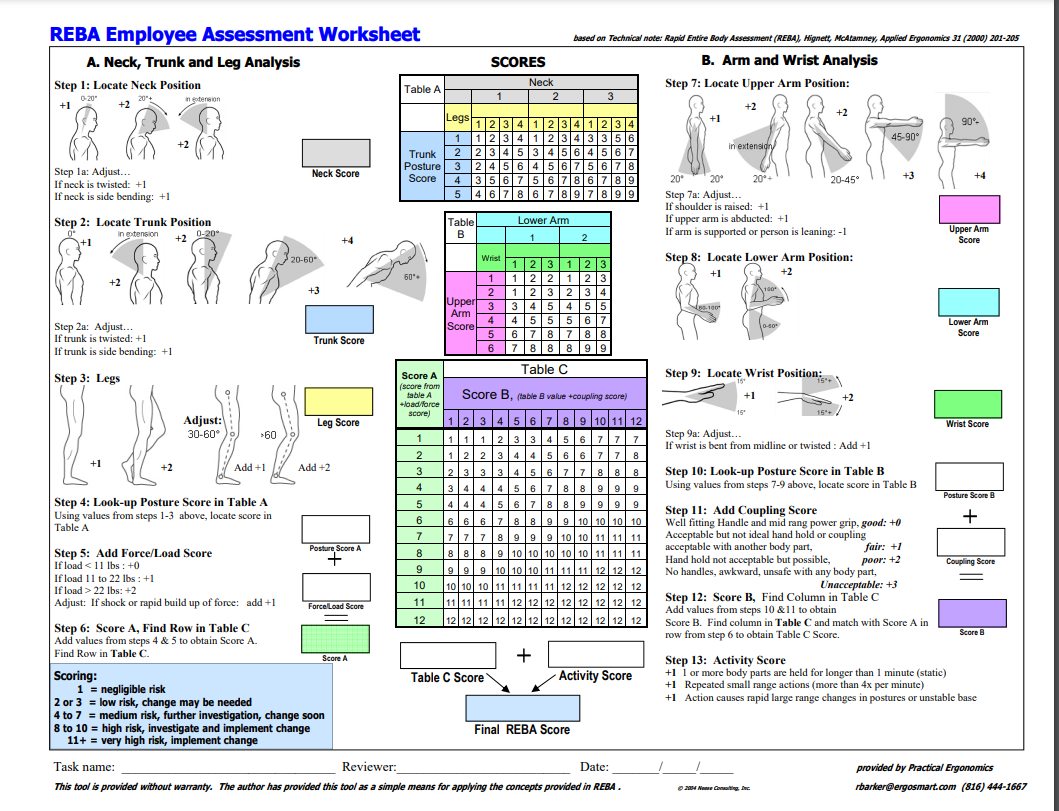
机器人可以在建筑工地上充当安全催化剂,接管危险和重复的任务,同时减轻现有手动工作流程的风险。尽管以往的研究主要集中在潜在碰撞的风险上,但确保人机协作工作流程的安全性同样重要。本文提出了一种新颖的框架,通过强化学习实现REBA(快速全身评估),以确保精确的在线人体工学评分,并能够推广到任何人类和任务。实验结果表明,该框架能够在手动物料搬运的上下文中找到最佳的物体交接坐标,显示出良好的应用前景。
🔬 方法详解
问题定义:本文旨在解决人机协作中由于不良姿势导致的健康风险,现有的REBA框架缺乏严格的数学结构,难以直接应用于人机交互的安全优化。
核心思路:通过强化学习实现人体工学的在线优化,确保机器人能够实时评估和调整人类的工作姿势,以适应不同的任务和个体。
技术框架:整体架构包括数据采集、模型训练和实时评估三个主要模块。数据采集通过虚拟现实环境进行,模型训练使用强化学习算法,实时评估则通过逆向运动学实现。
关键创新:本研究的最大创新在于将强化学习与人体工学评估结合,提供了一种动态、可推广的优化方法,克服了传统方法的局限性。
关键设计:在模型训练中,采用了特定的损失函数来优化人体工学评分,并设计了适应性强的网络结构,以便于处理不同的人体姿势和任务需求。
🖼️ 关键图片

📊 实验亮点
实验结果表明,所提出的框架在物体交接任务中,相较于传统的经验法则,能够找到更优的交接坐标,提升了人体工学评分,具体性能数据展示了显著的改进幅度,验证了方法的有效性和实用性。
🎯 应用场景
该研究的潜在应用领域包括建筑、制造和医疗等行业,能够有效提升人机协作的安全性和效率。通过优化工作姿势,减少工伤风险,提升工作舒适度,具有重要的实际价值和社会影响。未来,该框架还可以扩展到其他人机交互场景,推动智能机器人在更多领域的应用。
📄 摘要(原文)
Robots can serve as safety catalysts on construction job sites by taking over hazardous and repetitive tasks while alleviating the risks associated with existing manual workflows. Research on the safety of physical human-robot interaction (pHRI) is traditionally focused on addressing the risks associated with potential collisions. However, it is equally important to ensure that the workflows involving a collaborative robot are inherently safe, even though they may not result in an accident. For example, pHRI may require the human counterpart to use non-ergonomic body postures to conform to the robot hardware and physical configurations. Frequent and long-term exposure to such situations may result in chronic health issues. Safety and ergonomics assessment measures can be understood by robots if they are presented in algorithmic fashions so optimization for body postures is attainable. While frameworks such as Rapid Entire Body Assessment (REBA) have been an industry standard for many decades, they lack a rigorous mathematical structure which poses challenges in using them immediately for pHRI safety optimization purposes. Furthermore, learnable approaches have limited robustness outside of their training data, reducing generalizability. In this paper, we propose a novel framework that approaches optimization through Reinforcement Learning, ensuring precise, online ergonomic scores as compared to approximations, while being able to generalize and tune the regiment to any human and any task. To ensure practicality, the training is done in virtual reality utilizing Inverse Kinematics to simulate human movement mechanics. Experimental findings are compared to ergonomically naive object handover heuristics and indicate promising results where the developed framework can find the optimal object handover coordinates in pHRI contexts for manual material handling exemplary situations.