See Spot Guide: Accessible Interfaces for an Assistive Quadruped Robot
作者: Rayna Hata, Narit Trikasemsak, Andrea Giudice, Stacy A. Doore
分类: cs.RO
发布日期: 2024-02-16 (更新: 2024-06-06)
备注: This is an extended version of the late-breaking report presented as "Rayna Hata and Stacy A. Doore. Assistive Agile Robot for Non-visual Navigation. IEEE International Conference on Intelligent Robots and Systems, Detroit, MI. October 1-5, 2023"
💡 一句话要点
提出辅助四足机器人可访问接口以帮助视障人士导航
🎯 匹配领域: 支柱一:机器人控制 (Robot Control)
关键词: 辅助机器人 导航系统 语音交互 触觉反馈 盲人辅助 人机交互 智能技术
📋 核心要点
- 现有的引导犬无法完全替代,但在某些情况下,机器人导航助手可以为盲人或低视力人士提供帮助。
- 本研究提出了两个接口原型,旨在实现人与机器人之间的空间信息传递,分别为语音应用和灵活手柄。
- 实验结果显示,所有参与者成功完成了导航任务,表明原型能够有效传递空间信息,增强了对机器人的信任。
📝 摘要(中文)
本研究探讨了工业灵活机器人在引导导航任务中的潜力,尤其是为盲人或低视力人士提供帮助。我们开发了两个接口原型:一个基于语音的应用程序和一个灵活响应的手柄。参与者(n=21)完成了简单的导航任务,并对原型功能及对机器人的信任进行了后续调查。所有参与者成功完成了导航任务,证明了接口原型能够在人与机器人之间传递空间信息。未来的工作将扩展语音应用,使机器人能够向操作者传达障碍物信息,并在手柄设计中增加触觉信号。
🔬 方法详解
问题定义:本研究旨在解决盲人或低视力人士在导航过程中缺乏有效辅助工具的问题。现有方法主要依赖于引导犬,但在某些情况下,机器人可能提供更灵活的解决方案。
核心思路:本研究的核心思路是通过开发可访问的接口,使机器人能够与用户进行有效的空间信息交流,从而辅助导航任务。语音应用和手柄设计的结合旨在提升用户体验和信任感。
技术框架:整体架构包括两个主要模块:语音识别和反馈模块,以及手柄的物理交互模块。用户通过语音指令与机器人互动,同时手柄提供触觉反馈,增强导航体验。
关键创新:本研究的关键创新在于结合了语音和触觉反馈的双重接口设计,使机器人能够在导航过程中实时传递空间信息,显著提升了用户的信任和操作便捷性。
关键设计:语音应用采用自然语言处理技术,确保用户指令的准确识别;手柄设计则注重灵活性和响应性,以适应不同用户的需求。
🖼️ 关键图片


📊 实验亮点
实验结果显示,所有参与者成功完成了导航任务,表明接口原型在空间信息传递方面的有效性。此外,参与者对机器人的信任度显著提高,表明该研究的设计能够有效增强用户体验。
🎯 应用场景
该研究的潜在应用领域包括辅助盲人或低视力人士的日常导航、公共场所的导向系统以及老年人群体的移动辅助。通过提升机器人与用户之间的交互质量,未来可能在智能家居、公共交通等领域发挥重要作用。
📄 摘要(原文)
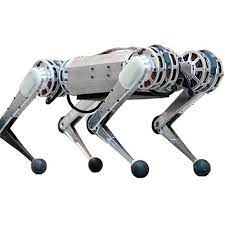
While there is no replacement for the learned expertise, devotion, and social benefits of a guide dog, there are cases in which a robot navigation assistant could be helpful for individuals with blindness or low vision (BLV). This study investigated the potential for an industrial agile robot to perform guided navigation tasks. We developed two interface prototypes that allowed for spatial information between a human-robot pair: a voice-based app and a flexible, responsive handle. The participants (n=21) completed simple navigation tasks and a post-study survey about the prototype functionality and their trust in the robot. All participants successfully completed the navigation tasks and demonstrated the interface prototypes were able to pass spatial information between the human and the robot. Future work will include expanding the voice-based app to allow the robot to communicate obstacles to the handler and adding haptic signals to the handle design.