A Reactive performance-based Shared Control Framework for Assistive Robotic Manipulators
作者: Francisco J. Ruiz-Ruiz, Cristina Urdiales, Manuel Fernández-Carmona, Jesús M. Gómez-de-Gabriel
分类: cs.RO
发布日期: 2023-11-06
💡 一句话要点
提出基于反应式性能的共享控制框架以优化助理机器人操作
🎯 匹配领域: 支柱一:机器人控制 (Robot Control)
关键词: 物理人机交互 助理机器人 反应式控制 性能加权 共享控制 康复机器人 人机协作
📋 核心要点
- 现有的AAN系统在预测人类意图时面临挑战,难以准确调整机器人动作。
- 本文提出了一种基于反应的控制系统,通过加权输入指令来优化机器人夹持器的性能。
- 实验结果显示,使用该控制系统的志愿者整体表现提升,跟踪误差显著降低。
📝 摘要(中文)
在物理人机交互中,机器人和人类可以同时参与操作,因此需要有效地结合双方的指令。助理所需(AAN)范式关注于根据人类的需求提供最小的必要帮助。本文提出了一种新颖的AAN反应控制系统,通过对输入指令进行加权,基于各自的局部性能来调整机器人夹持器的动作。实验结果表明,使用该控制系统可以显著提高整体性能,减少跟踪误差,并且与阻抗控制相比,对施加的力量和指令变化的影响较小。未来的工作将需要在更复杂的环境和任务中进行进一步测试。
🔬 方法详解
问题定义:本文旨在解决在物理人机交互中,如何有效结合人类和机器人指令的问题。现有方法在预测人类意图时存在困难,导致无法提供适当的帮助。
核心思路:提出了一种反应式的助理所需控制系统,通过对输入指令进行加权,依据各自的局部性能来调整机器人的动作,以便更好地满足人类的需求。
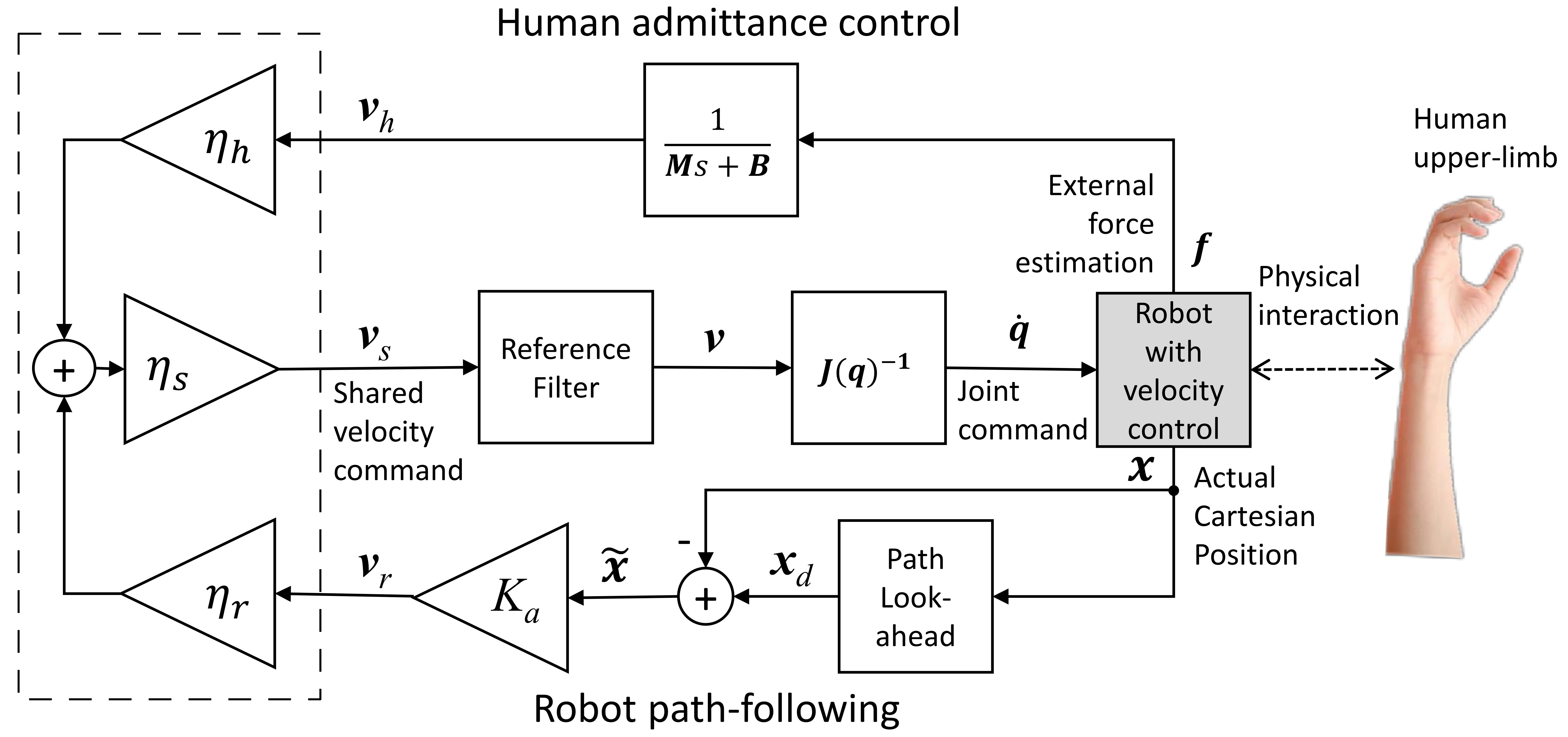
技术框架:系统主要包括输入指令的获取、性能评估、指令加权和输出控制四个模块。首先获取人类和机器人的指令,然后评估其局部性能,接着根据评估结果加权指令,最后输出控制信号给机器人夹持器。
关键创新:该控制方案的创新点在于通过局部性能加权来动态调整机器人动作,而不是单纯地最小化跟踪误差或期望速度。这种方法使得人类在需要时获得更多帮助。
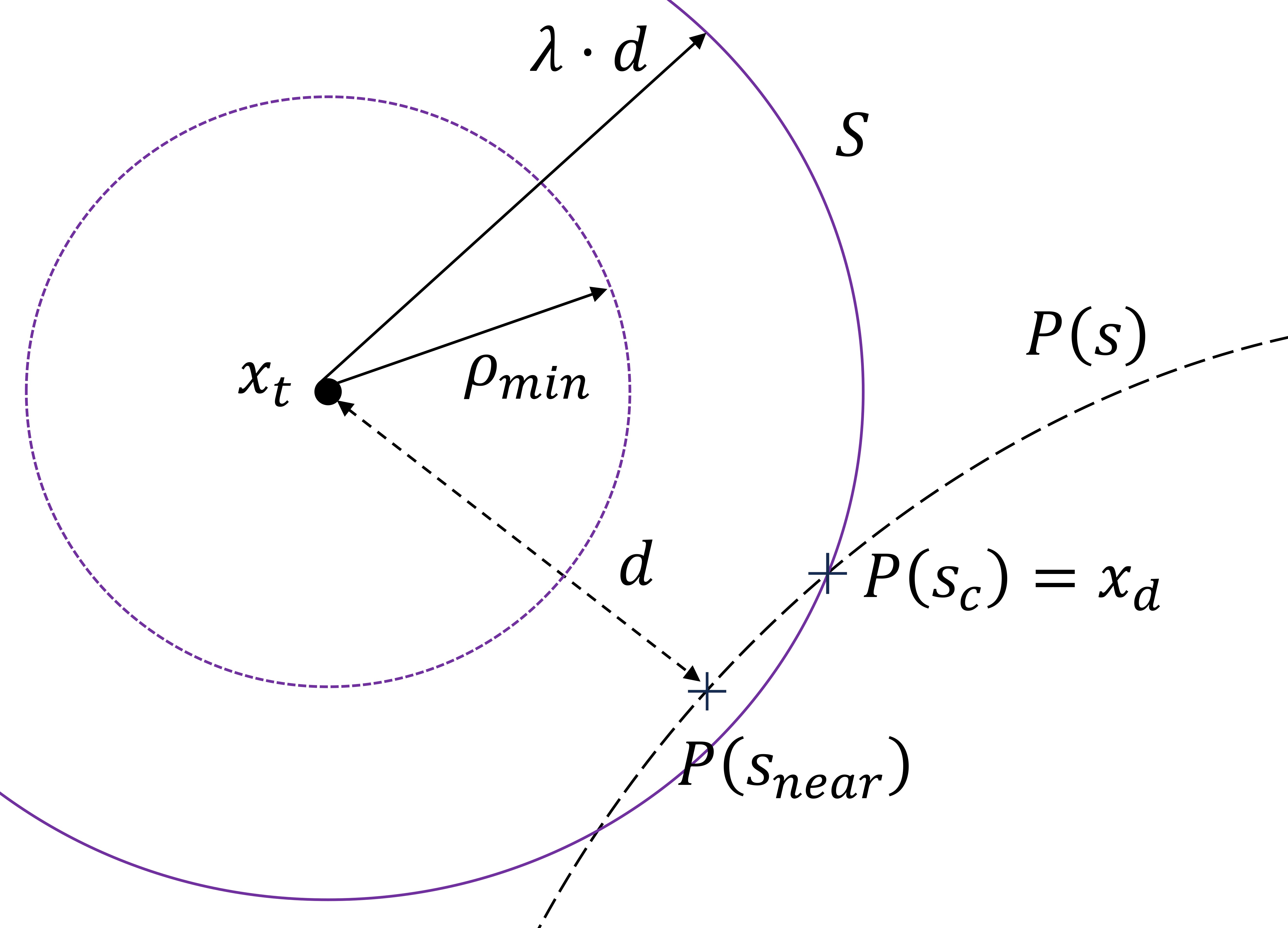
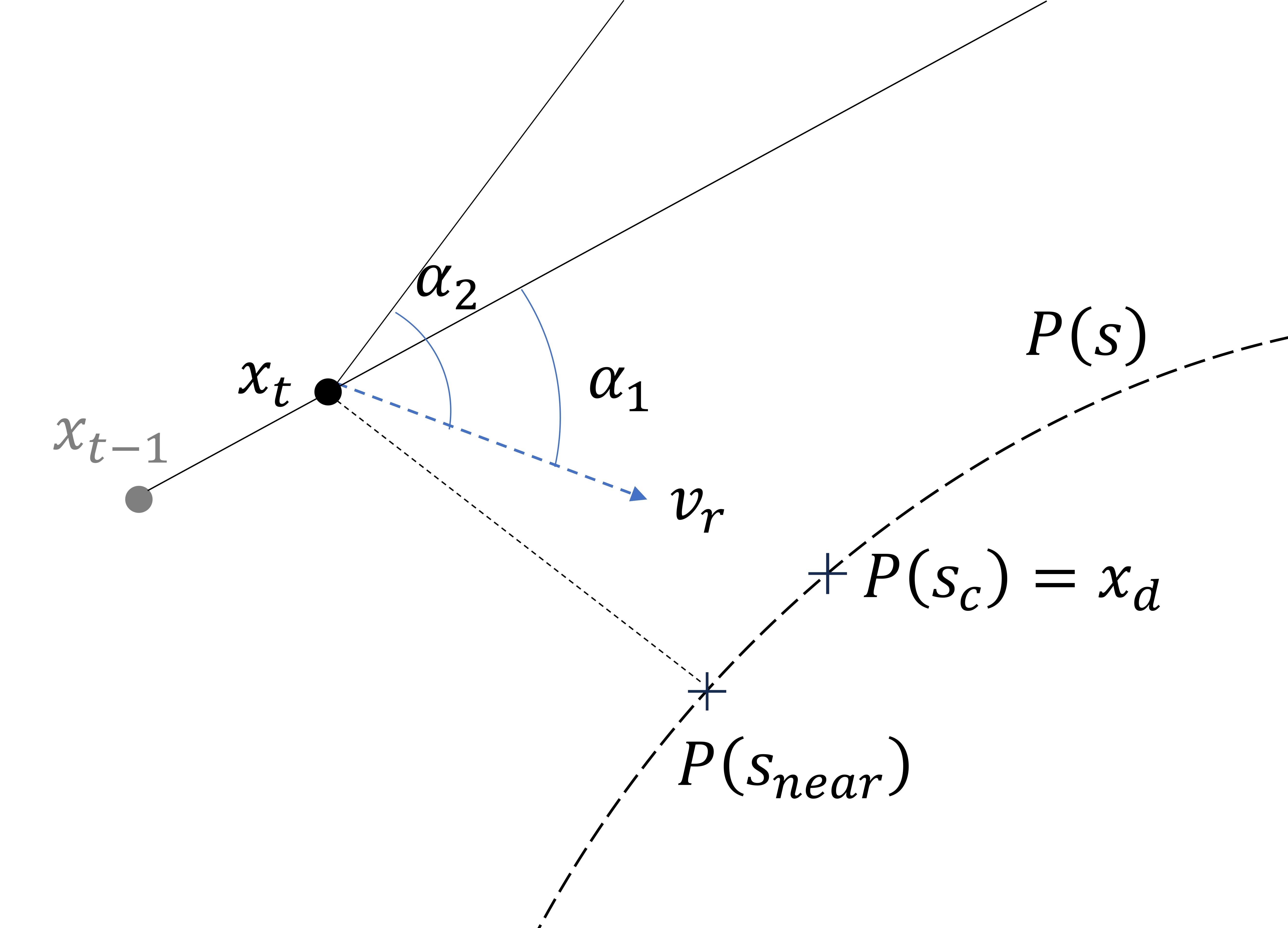
关键设计:在设计中,关键参数包括输入指令的权重计算方式、局部性能的评估标准等。此外,系统还需要实时反馈人类的当前状态,以便进行有效的控制调整。
🖼️ 关键图片
📊 实验亮点
实验结果显示,使用该反应控制系统的志愿者整体表现提升,跟踪误差减少。与没有辅助的情况相比,整体性能显著提高,且与阻抗控制相比,对施加的力量和指令变化的影响较小,证明了该方法的有效性。
🎯 应用场景
该研究的潜在应用领域包括医疗康复、老年人辅助生活和工业协作机器人等。通过优化人机协作,能够提高助理机器人在复杂环境中的适应能力和实用性,未来可能对人类生活质量产生积极影响。
📄 摘要(原文)
In Physical Human--Robot Interaction (pHRI) grippers, humans and robots may contribute simultaneously to actions, so it is necessary to determine how to combine their commands. Control may be swapped from one to the other within certain limits, or input commands may be combined according to some criteria. The Assist-As-Needed (AAN) paradigm focuses on this second approach, as the controller is expected to provide the minimum required assistance to users. Some AAN systems rely on predicting human intention to adjust actions. However, if prediction is too hard, reactive AAN systems may weigh input commands into an emergent one. This paper proposes a novel AAN reactive control system for a robot gripper where input commands are weighted by their respective local performances. Thus, rather than minimizing tracking errors or differences to expected velocities, humans receive more help depending on their needs. The system has been tested using a gripper attached to a sensitive robot arm, which provides evaluation parameters. Tests consisted of completing an on-air planar path with both arms. After the robot gripped a person's forearm, the path and current position of the robot were displayed on a screen to provide feedback to the human. The proposed control has been compared to results without assistance and to impedance control for benchmarking. A statistical analysis of the results proves that global performance improved and tracking errors decreased for ten volunteers with the proposed controller. Besides, unlike impedance control, the proposed one does not significantly affect exerted forces, command variation, or disagreement, measured as the angular difference between human and output command. Results support that the proposed control scheme fits the AAN paradigm, although future work will require further tests for more complex environments and tasks.