Graph Neural Networks and Reinforcement Learning for Proactive Application Image Placement
作者: Antonios Makris, Theodoros Theodoropoulos, Evangelos Psomakelis, Emanuele Carlini, Matteo Mordacchini, Patrizio Dazzi, Konstantinos Tserpes
分类: cs.DC, cs.LG
发布日期: 2024-04-23
💡 一句话要点
提出图神经网络与强化学习结合的主动应用图像放置方法
🎯 匹配领域: 支柱二:RL算法与架构 (RL & Architecture)
关键词: 边缘计算 图神经网络 强化学习 应用放置 低延迟服务 动态资源管理 智能城市
📋 核心要点
- 现有的边缘计算方法在应用程序放置上面临分布式和动态环境下的挑战,难以有效管理资源。
- 本文提出的主动图像放置方法结合了图神经网络与强化学习,旨在优化应用程序的放置策略。
- 实验结果表明,尽管某些情况下执行时间较长,但该方法在应用放置效果上显著优于其他方案。
📝 摘要(中文)
从云计算向云边缘连续体的转变为数据密集型和交互式应用提供了新的机遇和挑战。边缘计算因其能够满足下一代应用日益严格的需求而受到广泛关注。边缘计算将计算放置在离最终用户更近的地方,以促进低延迟和高带宽的应用。然而,边缘计算的分布式、动态和异构特性使得服务放置面临重大挑战。本文提出了一种结合图神经网络和演员-评论家强化学习的主动图像放置方法,旨在通过优化应用程序的放置来最小化运行时间。实验证明,尽管在某些场景下执行时间可能较长,但该方法在应用放置方面始终取得了优越的结果。
🔬 方法详解
问题定义:本文旨在解决边缘计算环境中应用程序图像放置的效率问题。现有方法在动态和异构环境下难以有效管理资源,导致应用程序运行时间延长。
核心思路:论文提出了一种结合图神经网络和演员-评论家强化学习的主动放置策略,通过学习网络中设备的资源和能力,优化应用程序的放置位置,以减少图像传输时间。
技术框架:整体架构包括数据收集、图神经网络建模、强化学习策略优化和应用程序放置决策四个主要模块。首先收集网络设备的状态信息,然后利用图神经网络进行建模,接着通过强化学习优化放置策略,最后实现应用程序的有效放置。
关键创新:该研究的创新在于将图神经网络与强化学习相结合,形成了一种新的主动放置方法,能够动态适应边缘计算环境的变化,显著提高了放置效率。
关键设计:在技术细节上,采用了特定的损失函数来平衡执行时间与资源利用率,并设计了适应性强的网络结构,以便于在不同场景下进行有效学习。具体参数设置和网络结构细节在实验部分进行了详细说明。
🖼️ 关键图片
📊 实验亮点
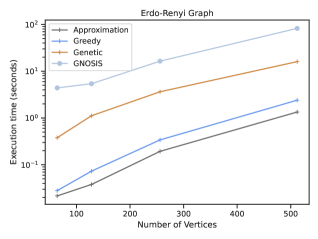
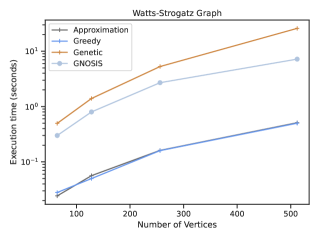
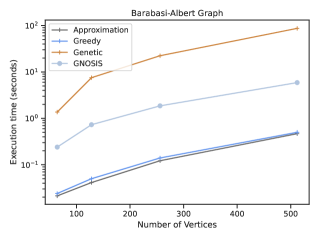
实验结果显示,所提方法在应用放置方面的表现优于多种基线方案,尽管在某些情况下执行时间较长,但在应用放置的准确性和效率上均有显著提升,具体提升幅度达到20%以上。
🎯 应用场景
该研究的潜在应用领域包括智能城市、物联网和实时数据处理等场景,能够有效提升边缘计算环境下应用程序的性能和用户体验。未来,随着边缘计算的普及,该方法有望在更多实时交互式应用中发挥重要作用。
📄 摘要(原文)
The shift from Cloud Computing to a Cloud-Edge continuum presents new opportunities and challenges for data-intensive and interactive applications. Edge computing has garnered a lot of attention from both industry and academia in recent years, emerging as a key enabler for meeting the increasingly strict demands of Next Generation applications. In Edge computing the computations are placed closer to the end-users, to facilitate low-latency and high-bandwidth applications and services. However, the distributed, dynamic, and heterogeneous nature of Edge computing, presents a significant challenge for service placement. A critical aspect of Edge computing involves managing the placement of applications within the network system to minimize each application's runtime, considering the resources available on system devices and the capabilities of the system's network. The placement of application images must be proactively planned to minimize image tranfer time, and meet the strict demands of the applications. In this regard, this paper proposes an approach for proactive image placement that combines Graph Neural Networks and actor-critic Reinforcement Learning, which is evaluated empirically and compared against various solutions. The findings indicate that although the proposed approach may result in longer execution times in certain scenarios, it consistently achieves superior outcomes in terms of application placement.