Elephants Never Forget: Testing Language Models for Memorization of Tabular Data
作者: Sebastian Bordt, Harsha Nori, Rich Caruana
分类: cs.LG, cs.CL
发布日期: 2024-03-11
备注: Table Representation Learning Workshop at NeurIPS 2023
🔗 代码/项目: GITHUB
💡 一句话要点
提出多种技术评估LLM对表格数据的记忆能力
🎯 匹配领域: 支柱九:具身大模型 (Embodied Foundation Models)
关键词: 大型语言模型 数据污染 记忆化 表格数据 性能评估 统计测试 机器学习
📋 核心要点
- 现有研究往往忽视了大型语言模型在处理表格数据时可能面临的数据污染和记忆化问题。
- 本文通过定性和定量测试,提出多种技术手段来评估LLM对表格数据的记忆能力和污染程度。
- 研究结果表明,LLMs在流行数据集上的预训练可能导致下游任务的性能评估失真,强调了数据完整性的重要性。
📝 摘要(中文)
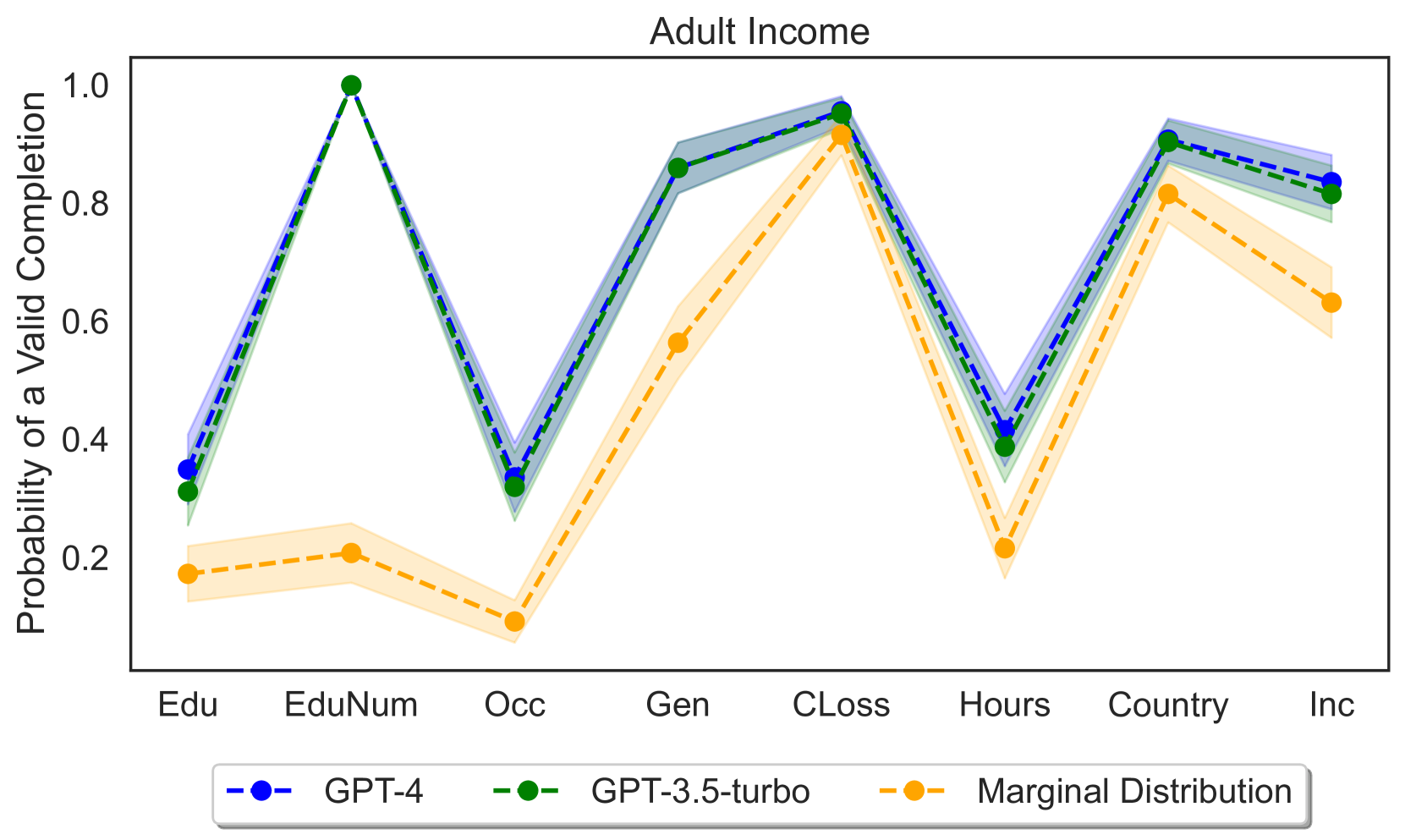
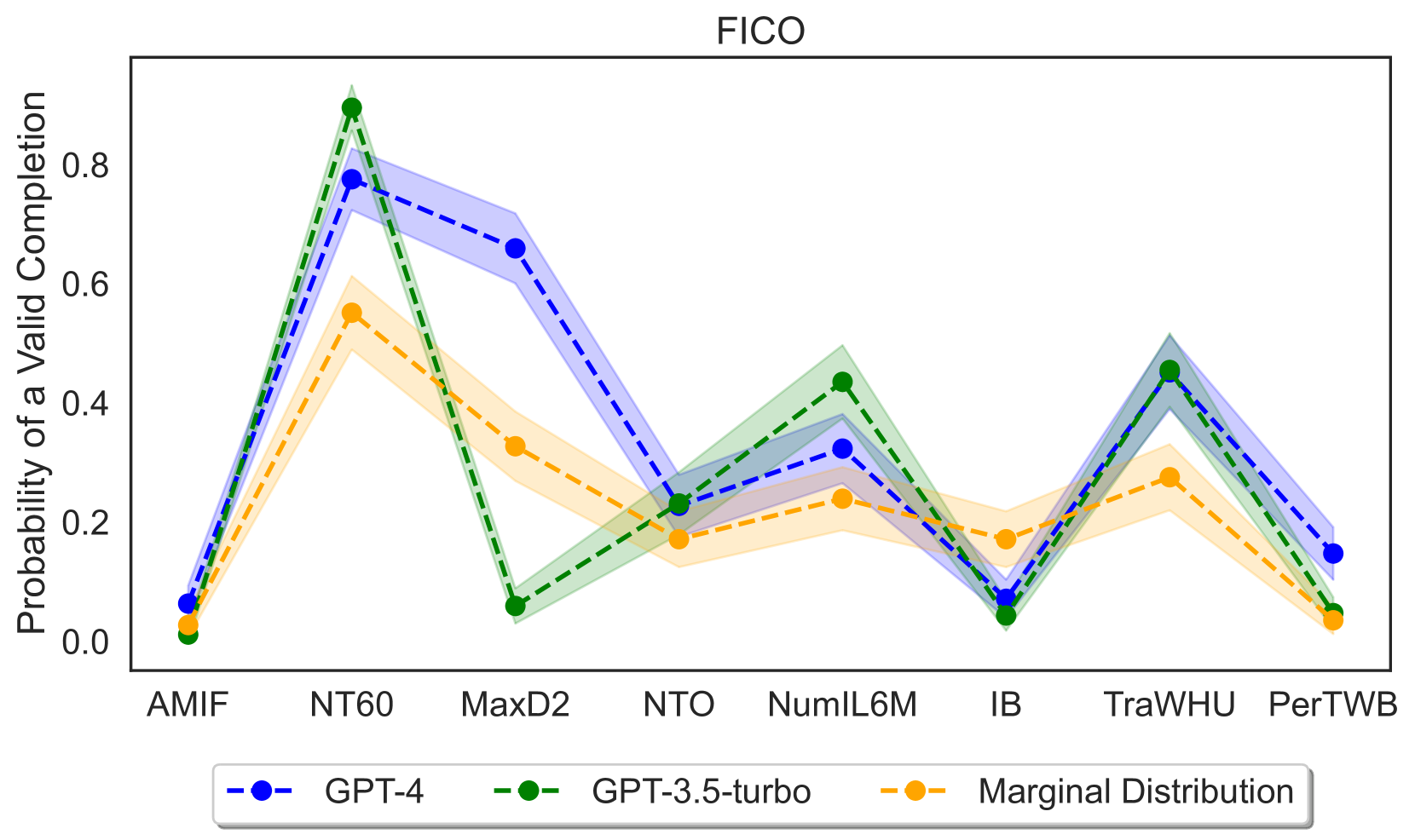
尽管许多研究展示了大型语言模型(LLMs)在多种任务中的应用,但数据污染和记忆化的问题往往被忽视。本文针对表格数据,首先通过简单的定性测试评估LLM对特征名称和数值的记忆能力,随后引入多种技术评估污染程度,包括条件分布建模的统计测试和四种识别记忆化的测试。研究发现,LLMs在许多流行的表格数据集上进行了预训练,这种暴露可能导致下游任务的性能评估失效。尽管在训练中见过这些数据集,但在某些情况下,LLM能够重现数据的重要统计特征,而未能逐字复现数据集。研究强调了在使用LLMs进行机器学习任务时确保数据完整性的必要性,并发布了一个开源工具以支持未来研究。
🔬 方法详解
问题定义:本文旨在解决大型语言模型在处理表格数据时的记忆化和数据污染问题。现有方法未能充分评估LLM对训练数据的记忆程度,可能导致性能评估失真。
核心思路:通过引入多种定性和定量测试,评估LLM对表格数据的记忆能力,特别是对特征名称和数值的记忆。设计这些测试是为了揭示LLM在训练数据上的过拟合和统计特征重现能力。
技术框架:研究首先进行简单的定性测试,随后引入统计测试和四种识别记忆化的测试,形成一个系统的评估框架。主要模块包括数据预处理、模型评估和结果分析。
关键创新:本文的主要创新在于提出了一套全面的评估工具,能够有效识别LLM对表格数据的记忆化程度,与现有方法相比,提供了更深入的分析视角。
关键设计:在测试中,采用了条件分布建模的统计测试,并设计了四种不同的记忆化识别测试,确保能够全面评估LLM的记忆能力。
🖼️ 关键图片

📊 实验亮点
实验结果显示,LLMs在多个流行表格数据集上表现出显著的记忆化现象,尤其是在条件分布建模测试中,揭示了模型对训练数据的过拟合情况。这些发现强调了在评估LLM性能时考虑数据污染的重要性。
🎯 应用场景
该研究的潜在应用领域包括金融、医疗和数据分析等需要处理表格数据的场景。通过确保LLM在这些任务中的数据完整性,可以提高模型的可靠性和有效性,进而推动相关领域的研究和应用发展。
📄 摘要(原文)
While many have shown how Large Language Models (LLMs) can be applied to a diverse set of tasks, the critical issues of data contamination and memorization are often glossed over. In this work, we address this concern for tabular data. Starting with simple qualitative tests for whether an LLM knows the names and values of features, we introduce a variety of different techniques to assess the degrees of contamination, including statistical tests for conditional distribution modeling and four tests that identify memorization. Our investigation reveals that LLMs are pre-trained on many popular tabular datasets. This exposure can lead to invalid performance evaluation on downstream tasks because the LLMs have, in effect, been fit to the test set. Interestingly, we also identify a regime where the language model reproduces important statistics of the data, but fails to reproduce the dataset verbatim. On these datasets, although seen during training, good performance on downstream tasks might not be due to overfitting. Our findings underscore the need for ensuring data integrity in machine learning tasks with LLMs. To facilitate future research, we release an open-source tool that can perform various tests for memorization \url{https://github.com/interpretml/LLM-Tabular-Memorization-Checker}.