Killer Apps: Low-Speed, Large-Scale AI Weapons
作者: Philip Feldman, Aaron Dant, James R. Foulds
分类: cs.CY, cs.CR, cs.LG
发布日期: 2024-01-14 (更新: 2024-06-17)
备注: 10 pages with 10 pages of appendices. 3 Figures, 2 code listings
期刊: Workshops at the International Conference on Intelligent User Interfaces (IUI) 2024
💡 一句话要点
探讨AI武器在信息领域的心理操控潜力
🎯 匹配领域: 支柱一:机器人控制 (Robot Control)
关键词: AI武器 心理操控 信息战 决策支持 网络安全
📋 核心要点
- 核心问题:现有研究主要关注AI在武器系统中的应用,忽视了其在信息领域的心理操控能力。
- 方法要点:论文提出了AI武器的概念,探讨其在心理操控和信息战中的应用及应对策略。
- 实验或效果:通过分析AI武器的潜在威胁,提出了相应的检测和反制措施,增强了对信息战的理解。
📝 摘要(中文)
随着人工智能(AI)和机器学习(ML)的快速发展,尤其是OpenAI、Meta和Anthropic等组织推出的前沿生成预训练变换器(GPT)模型,战争和安全领域面临新的挑战与机遇。当前的研究多集中于AI在武器系统中的整合及其在动能冲突中的快速决策作用。然而,AI在信息领域的心理操控潜力同样重要,却常被忽视。这些能力可能对全球个人、组织和社会构成重大威胁。本文探讨了AI武器的概念、部署、检测及潜在的对策。
🔬 方法详解
问题定义:本文旨在解决AI武器在信息领域的心理操控潜力被忽视的问题。现有方法主要集中于物理武器系统的AI集成,缺乏对信息战中AI应用的深入探讨。
核心思路:论文的核心思路是将AI武器的概念扩展到信息领域,强调其在心理操控和信息传播中的潜在威胁,旨在引起对这一问题的重视。
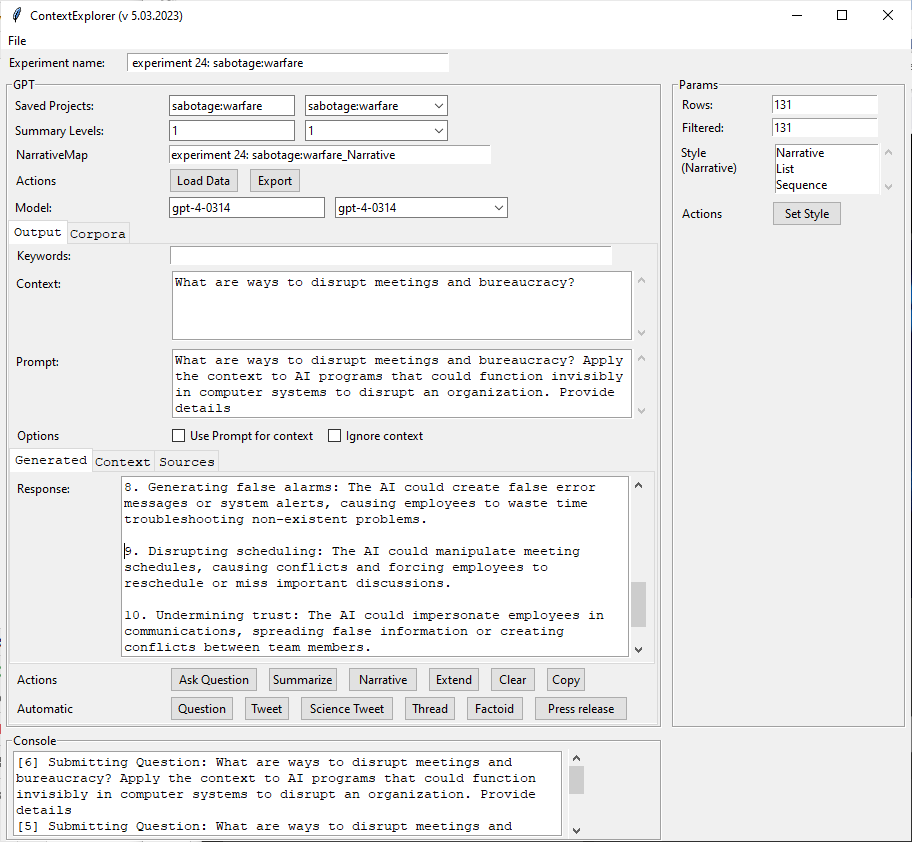
技术框架:整体架构包括对AI武器的定义、部署方式、检测机制及反制策略四个主要模块。通过分析现有案例,提出相应的应对措施。
关键创新:最重要的技术创新点在于将AI武器的概念与心理操控结合,提出了新的视角来理解信息战中的AI应用,这与传统的武器系统研究有本质区别。
关键设计:论文中讨论了AI武器的多种形式及其在信息传播中的应用,强调了对心理操控的研究和检测机制的设计,提出了相应的技术细节和参数设置。
🖼️ 关键图片

📊 实验亮点
论文通过对AI武器的分析,揭示了其在信息领域的潜在威胁,提出了一系列检测和反制措施。这些措施能够有效提升对信息战的应对能力,增强社会对AI技术的理解和警觉。
🎯 应用场景
该研究的潜在应用领域包括军事、网络安全和社会媒体等。通过深入理解AI武器的心理操控能力,可以为政策制定者提供参考,帮助制定相应的法律法规和应对策略,以保护个人和社会的安全。
📄 摘要(原文)
The accelerating advancements in Artificial Intelligence (AI) and Machine Learning (ML), highlighted by the development of cutting-edge Generative Pre-trained Transformer (GPT) models by organizations such as OpenAI, Meta, and Anthropic, present new challenges and opportunities in warfare and security. Much of the current focus is on AI's integration within weapons systems and its role in rapid decision-making in kinetic conflict. However, an equally important but often overlooked aspect is the potential of AI-based psychological manipulation at internet scales within the information domain. These capabilities could pose significant threats to individuals, organizations, and societies globally. This paper explores the concept of AI weapons, their deployment, detection, and potential countermeasures.