Veagle: Advancements in Multimodal Representation Learning
作者: Rajat Chawla, Arkajit Datta, Tushar Verma, Adarsh Jha, Anmol Gautam, Ayush Vatsal, Sukrit Chaterjee, Mukunda NS, Ishaan Bhola
分类: cs.CV, cs.AI, cs.CL, cs.MM
发布日期: 2024-01-18 (更新: 2024-10-27)
💡 一句话要点
提出Veagle以提升多模态表示学习能力
🎯 匹配领域: 支柱二:RL算法与架构 (RL & Architecture) 支柱九:具身大模型 (Embodied Foundation Models)
关键词: 多模态学习 视觉问答 图像理解 动态机制 视觉语言模型 深度学习 人工智能
📋 核心要点
- 现有的视觉语言模型在图像解读和问题回答方面存在准确性不足的问题,限制了其在实际场景中的应用。
- Veagle通过引入一种动态机制,将视觉信息直接投射到语言模型中,从而增强了多模态理解能力。
- 实验结果显示,Veagle在视觉问答和图像理解任务上提升了5-6%的性能,显著优于现有模型。
📝 摘要(中文)
近年来,人工智能领域的研究者对语言与视觉的结合产生了浓厚的兴趣,推动了多模态模型的发展,这些模型旨在无缝整合文本和视觉信息。尽管现有的多模态模型在图像描述、视觉问答等任务上取得了显著进展,但在准确解读图像和回答问题方面仍面临挑战。本文提出了一种新方法Veagle,以增强现有模型的多模态能力。Veagle采用了一种动态机制,将编码的视觉信息直接投射到语言模型中,从而更细致地理解视觉上下文中的复杂细节。通过在基准数据集上的全面实验,Veagle在视觉问答和图像理解任务上表现出5-6%的性能提升,超越了现有模型,展现了其广泛的适用性。
🔬 方法详解
问题定义:本文旨在解决现有视觉语言模型在图像解读和问答准确性不足的问题,尤其是在复杂视觉场景中的表现。
核心思路:Veagle的核心思路是通过动态机制将编码的视觉信息直接投射到语言模型中,以实现更细致的多模态理解。这种设计旨在克服传统模型在处理视觉信息时的局限性。
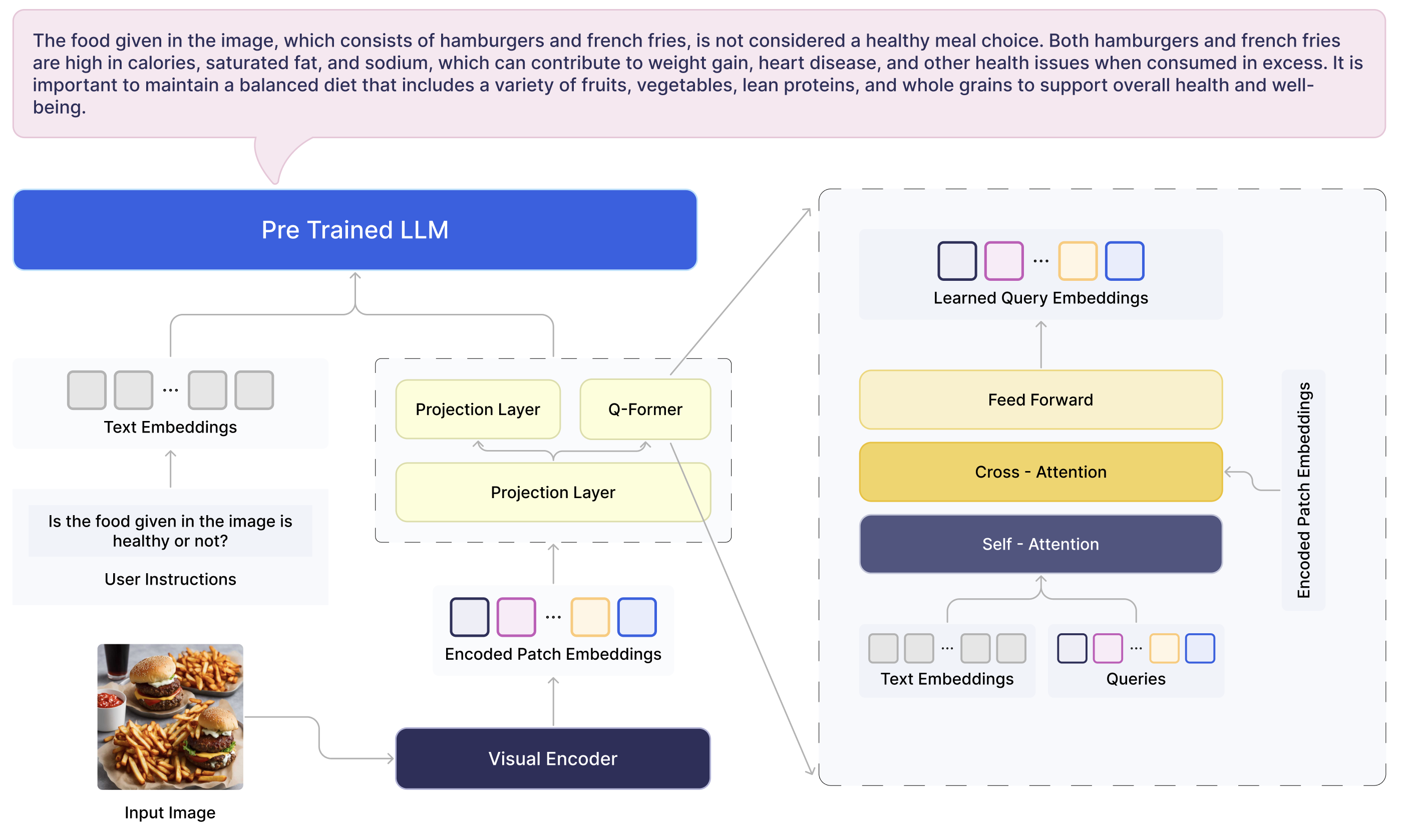
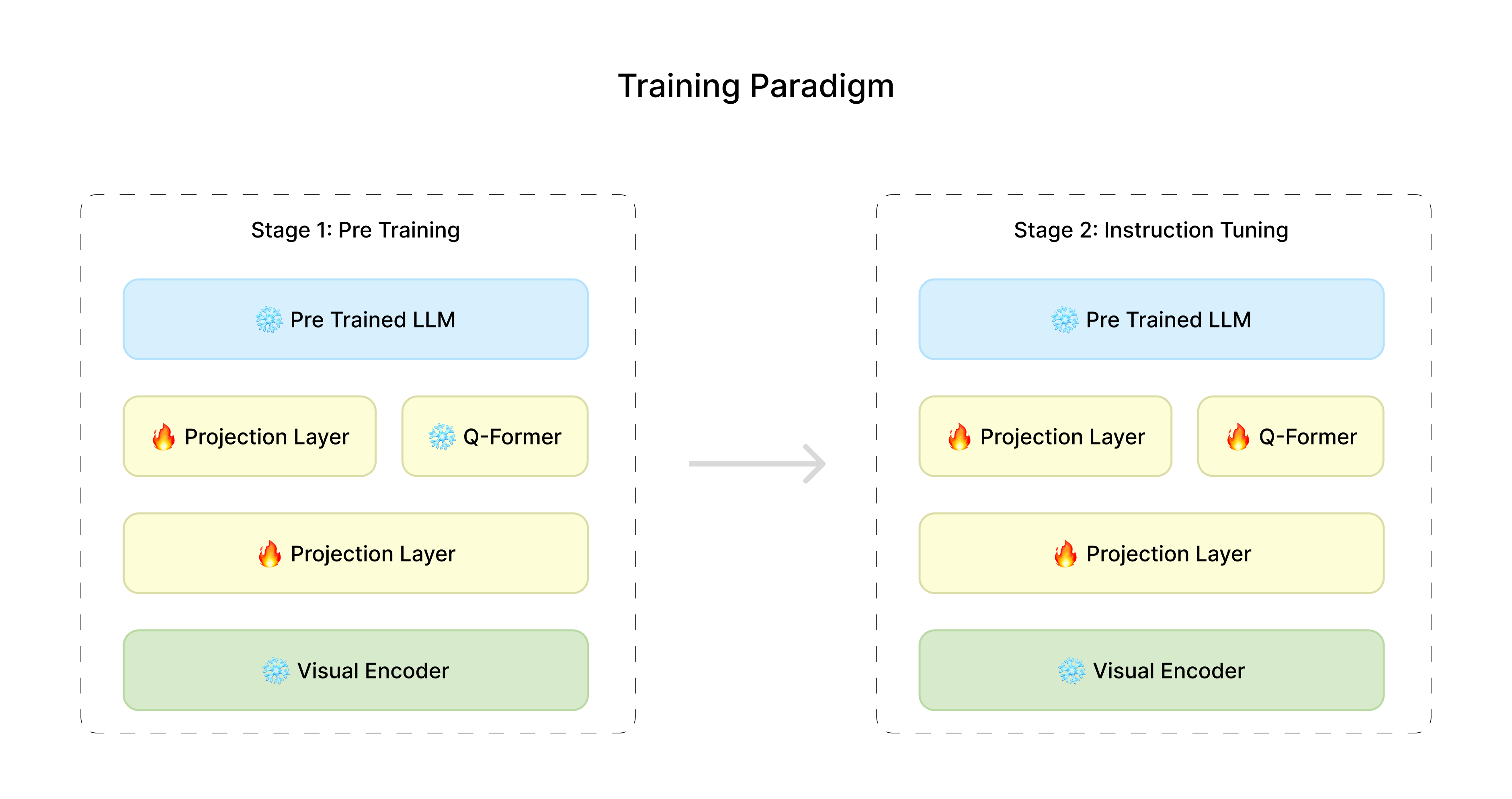
技术框架:Veagle的整体架构包括视觉信息编码模块、动态投射机制和语言模型集成模块。首先,视觉信息被编码,然后通过动态机制与语言模型进行融合,最终实现多模态任务的处理。
关键创新:Veagle的主要创新在于其动态机制,该机制能够灵活地将视觉信息与语言模型结合,显著提高了对复杂视觉上下文的理解能力。这一创新与现有方法的静态处理方式形成鲜明对比。
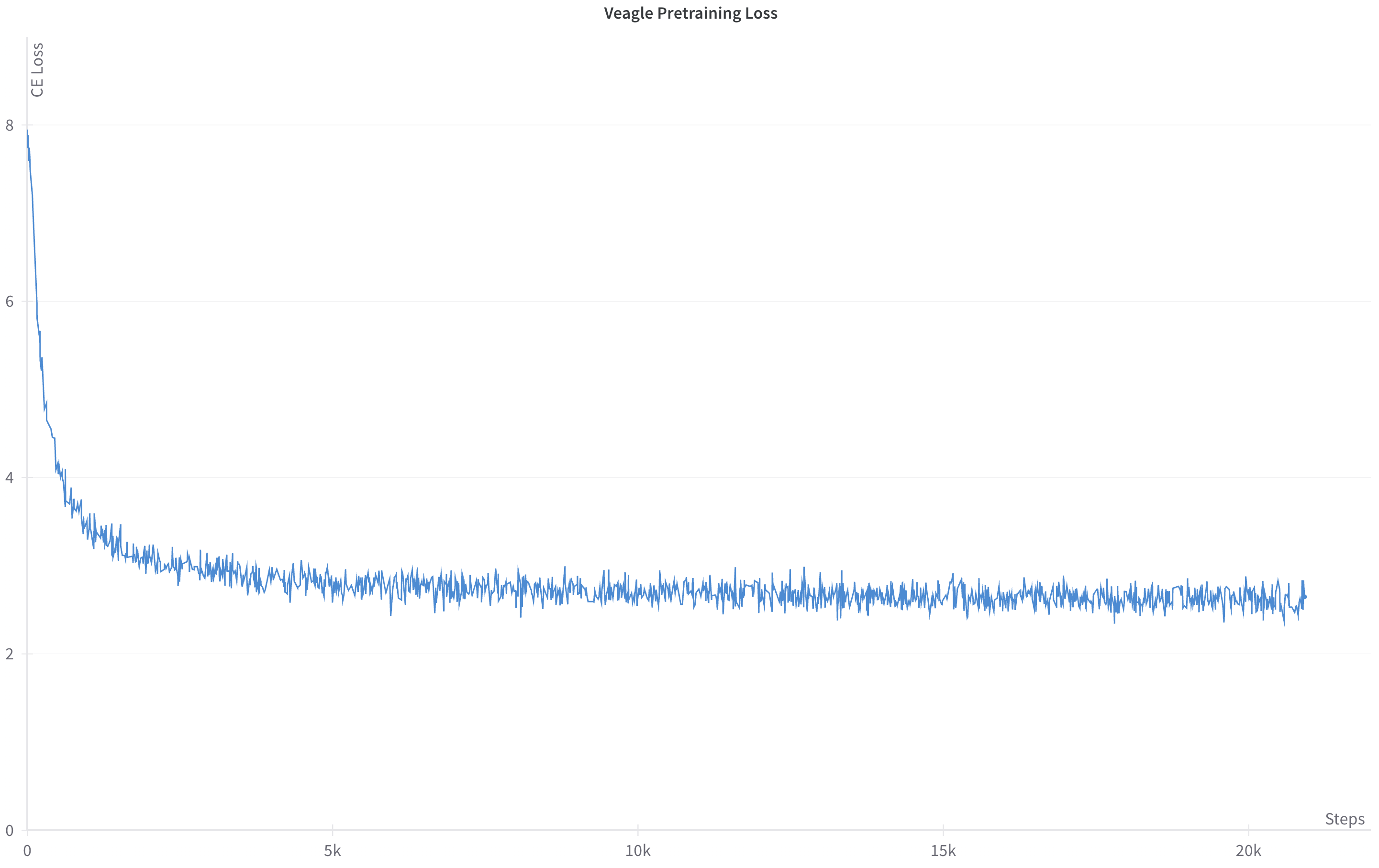
关键设计:在设计中,Veagle采用了特定的损失函数以优化多模态融合效果,并在网络结构上进行了调整,以确保视觉信息的有效编码和投射。
🖼️ 关键图片
📊 实验亮点
在全面实验中,Veagle在视觉问答和图像理解任务上实现了5-6%的性能提升,显著超越了现有的视觉语言模型。这一结果表明Veagle在多模态任务中的有效性和广泛适用性。
🎯 应用场景
Veagle的研究成果在多个领域具有广泛的应用潜力,包括智能助手、自动驾驶、医疗影像分析等。其增强的多模态理解能力能够提升人机交互的自然性和准确性,推动相关技术的进步与普及。
📄 摘要(原文)
Lately, researchers in artificial intelligence have been really interested in how language and vision come together, giving rise to the development of multimodal models that aim to seamlessly integrate textual and visual information. Multimodal models, an extension of Large Language Models (LLMs), have exhibited remarkable capabilities in addressing a diverse array of tasks, ranging from image captioning and visual question answering (VQA) to visual grounding. While these models have showcased significant advancements, challenges persist in accurately interpreting images and answering the question, a common occurrence in real-world scenarios. This paper introduces a novel approach to enhance the multimodal capabilities of existing models. In response to the limitations observed in current Vision Language Models (VLMs) and Multimodal Large Language Models (MLLMs), our proposed model Veagle, incorporates a unique mechanism inspired by the successes and insights of previous works. Veagle leverages a dynamic mechanism to project encoded visual information directly into the language model. This dynamic approach allows for a more nuanced understanding of intricate details present in visual contexts. To validate the effectiveness of Veagle, we conduct comprehensive experiments on benchmark datasets, emphasizing tasks such as visual question answering and image understanding. Our results indicate a improvement of 5-6 \% in performance, with Veagle outperforming existing models by a notable margin. The outcomes underscore the model's versatility and applicability beyond traditional benchmarks.