Synthetic Data Generation for Bridging Sim2Real Gap in a Production Environment
作者: Parth Rawal, Mrunal Sompura, Wolfgang Hintze
分类: cs.CV, cs.AI, cs.RO
发布日期: 2023-11-18 (更新: 2024-05-10)
备注: 17 pages, 9 figures, LaTeX; typos corrected; has not been presented in any conference or published in journal
💡 一句话要点
提出合成数据生成方法以缩小生产环境中的仿真与现实差距
🎯 匹配领域: 支柱一:机器人控制 (Robot Control)
关键词: 合成数据生成 仿真与现实 生产环境 领域知识 深度学习 机器人辅助生产 性能提升
📋 核心要点
- 现有的合成数据生成方法在复杂的生产环境中面临挑战,容易导致假阳性和假阴性。
- 论文提出通过有效结合领域知识生成合成数据,以改善仿真与现实之间的差距。
- 实验结果表明,使用基本程序的组合方法可提高15%的性能,显示出显著的改进。
📝 摘要(中文)
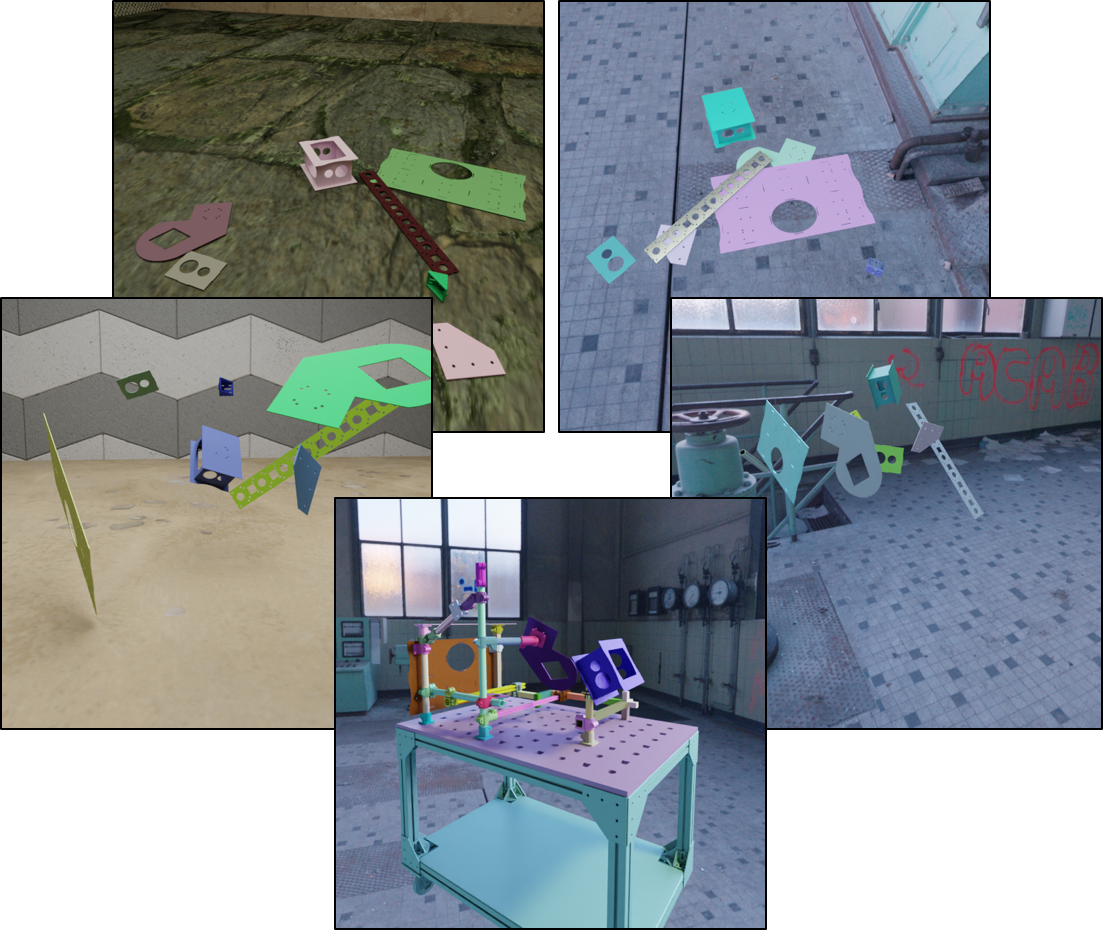
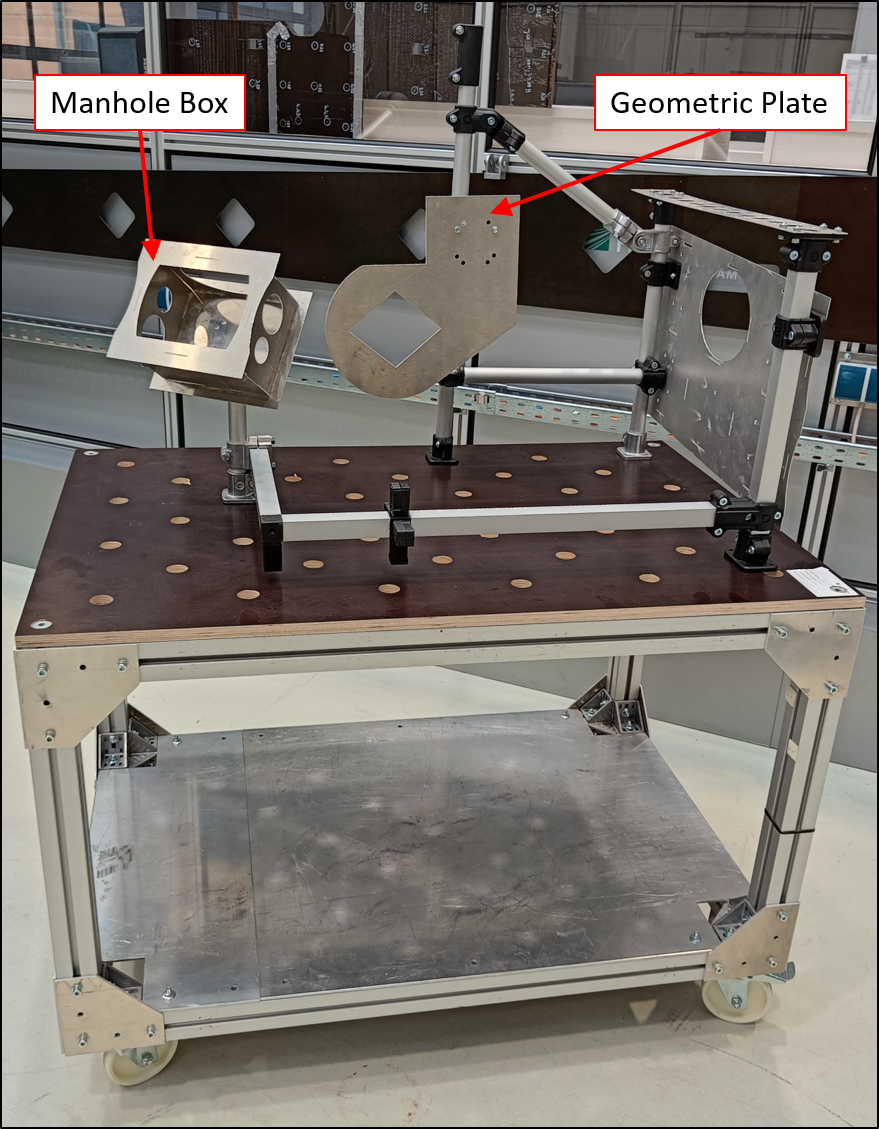
合成数据近年来被广泛应用于计算机视觉领域的深度神经网络训练,如物体检测、分割和6D物体姿态估计。领域随机化在减少仿真与现实之间的差距中起着重要作用。然而,在复杂的生产环境中,现有方法可能效果不佳,导致假阳性或假阴性。本文聚焦于生产环境中零部件和装配体的合成数据生成程序,评估了基本程序的组合,结果显示使用组合方法可提高15%的性能。这种方法有助于充分发挥人工智能在机器人辅助生产中的潜力。
🔬 方法详解
问题定义:本文旨在解决在复杂生产环境中,合成数据生成方法导致的仿真与现实之间的差距问题。现有方法在处理复杂装配体时,容易出现假阳性和假阴性,影响实际应用效果。
核心思路:论文的核心思路是通过引入领域知识,优化合成数据生成过程,以提高模型在生产环境中的泛化能力。这种方法强调在生成合成数据时考虑实际生产中的复杂性。
技术框架:整体架构包括合成数据生成的基本程序和其组合,首先生成单个零部件的合成数据,然后将其集成到更复杂的装配体中进行训练。评估阶段使用真实生产环境中的图像进行性能测试。
关键创新:最重要的技术创新在于将领域知识有效整合到合成数据生成过程中,显著改善了模型在特定生产环境中的表现。这与传统的随机化方法形成鲜明对比,后者未能充分考虑特定领域的复杂性。
关键设计:在合成数据生成中,关键设计包括选择合适的参数设置、损失函数和网络结构,以确保生成的数据能够真实反映生产环境中的实际情况。
🖼️ 关键图片

📊 实验亮点
实验结果显示,使用基本程序的组合方法在生产环境中的性能提升达15%。与传统方法相比,本文提出的合成数据生成策略显著降低了仿真与现实之间的差距,为机器人辅助生产提供了更可靠的支持。
🎯 应用场景
该研究的潜在应用领域包括自动化生产线、机器人装配和智能制造等。通过优化合成数据生成,能够提升机器人在复杂生产环境中的识别和操作能力,进而提高生产效率和降低成本。未来,该方法可能推动更多领域的智能化转型。
📄 摘要(原文)
Synthetic data is being used lately for training deep neural networks in computer vision applications such as object detection, object segmentation and 6D object pose estimation. Domain randomization hereby plays an important role in reducing the simulation to reality gap. However, this generalization might not be effective in specialized domains like a production environment involving complex assemblies. Either the individual parts, trained with synthetic images, are integrated in much larger assemblies making them indistinguishable from their counterparts and result in false positives or are partially occluded just enough to give rise to false negatives. Domain knowledge is vital in these cases and if conceived effectively while generating synthetic data, can show a considerable improvement in bridging the simulation to reality gap. This paper focuses on synthetic data generation procedures for parts and assemblies used in a production environment. The basic procedures for synthetic data generation and their various combinations are evaluated and compared on images captured in a production environment, where results show up to 15% improvement using combinations of basic procedures. Reducing the simulation to reality gap in this way can aid to utilize the true potential of robot assisted production using artificial intelligence.