TTMFN: Two-stream Transformer-based Multimodal Fusion Network for Survival Prediction
作者: Ruiquan Ge, Xiangyang Hu, Rungen Huang, Gangyong Jia, Yaqi Wang, Renshu Gu, Changmiao Wang, Elazab Ahmed, Linyan Wang, Juan Ye, Ye Li
分类: eess.IV, cs.CV
发布日期: 2023-11-13
💡 一句话要点
提出TTMFN以解决癌症生存预测中的多模态信息融合问题
🎯 匹配领域: 支柱九:具身大模型 (Embodied Foundation Models)
关键词: 生存预测 多模态融合 深度学习 变换器 癌症治疗 特征聚合 共注意力机制
📋 核心要点
- 现有生存预测方法多忽视模态间复杂关联及模态内部潜在信息,导致预测性能不足。
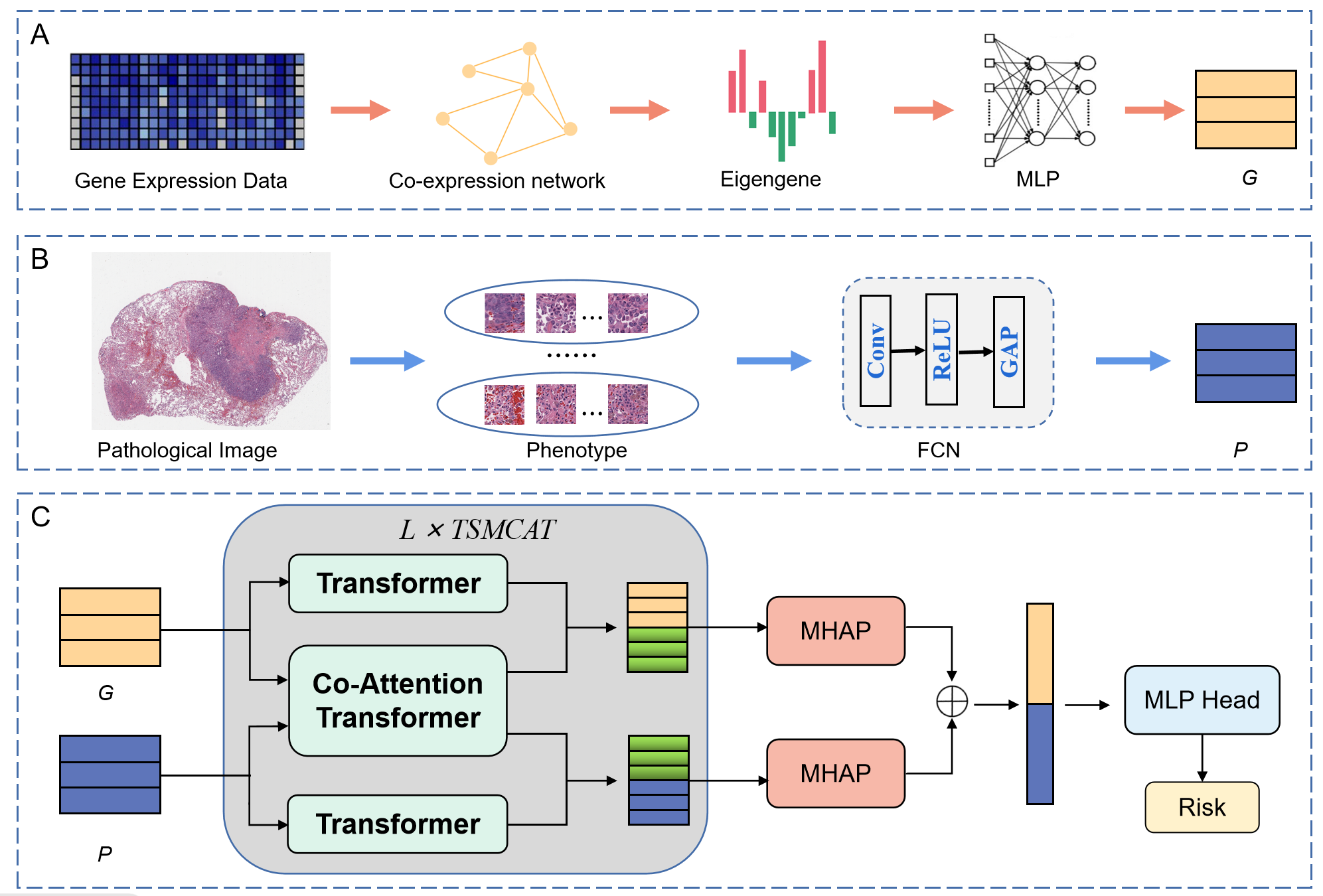
- 本文提出TTMFN框架,利用两流共注意力变换器模块,充分挖掘模态间及内部关系。
- 在四个癌症基因组数据集上,TTMFN实现了最佳或竞争力的生存预测性能,验证了其有效性。
📝 摘要(中文)
生存预测在帮助临床医生制定癌症治疗方案中至关重要。近年来,多模态数据在癌症诊断和生存预测中显示出显著的帮助。然而,现有深度学习方法往往忽视了模态内部的潜在信息和复杂的模态间关联。为此,本文提出了一种名为TTMFN的框架,利用两流多模态共注意力变换器模块,充分挖掘不同模态之间及模态内部的复杂关系,并通过多头注意力池化有效聚合特征表示。实验结果表明,TTMFN在四个数据集上表现出最佳或具有竞争力的生存预测性能。
🔬 方法详解
问题定义:本文旨在解决癌症生存预测中的多模态信息融合问题。现有方法往往未能充分利用模态间的复杂关系及模态内部的潜在信息,导致预测性能不足。
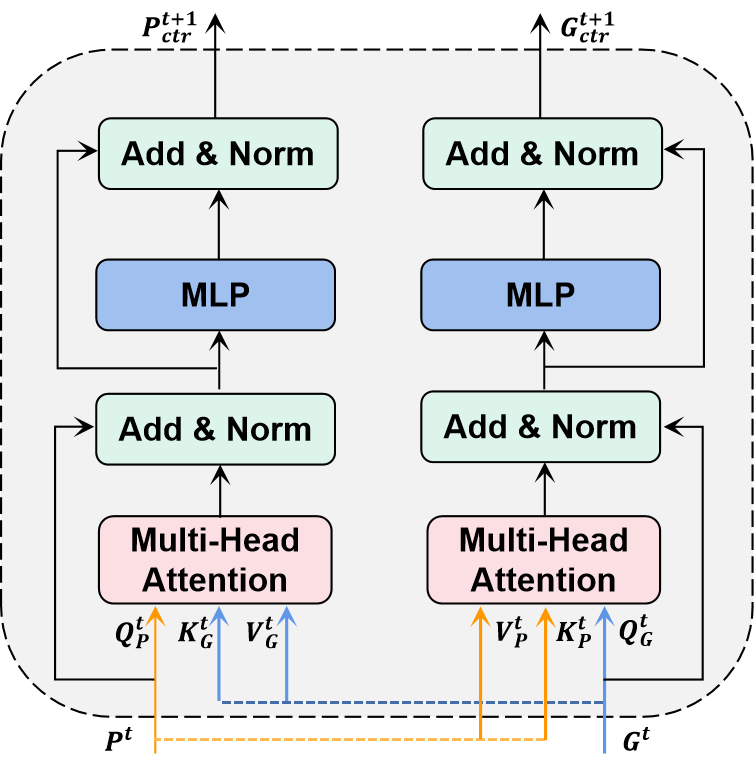
核心思路:TTMFN框架通过引入两流多模态共注意力变换器模块,旨在全面挖掘不同模态之间的复杂关系及模态内部的潜在联系,从而提升生存预测的准确性。
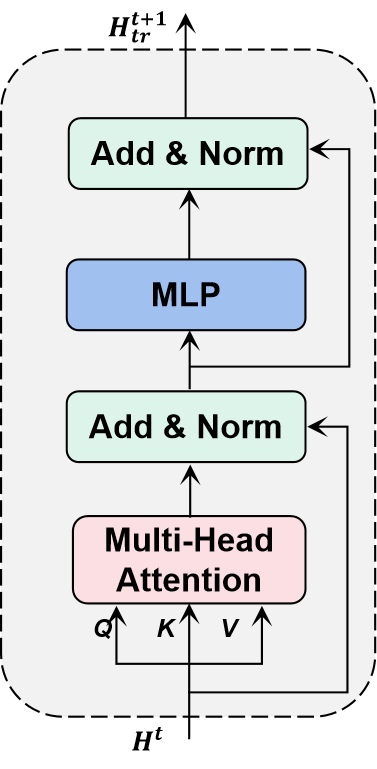
技术框架:TTMFN整体架构包括两条流,分别处理病理图像和基因表达数据。通过共注意力机制,模型能够同时关注两个模态的特征,并通过多头注意力池化有效聚合这些特征表示。
关键创新:TTMFN的主要创新在于引入了两流共注意力变换器模块,能够有效捕捉模态间及模态内部的复杂关系,这一设计显著提升了生存预测的性能。
关键设计:模型采用多头注意力机制进行特征聚合,损失函数设计为适应生存预测任务,网络结构经过精心调整,以确保各模块间的高效协同。具体参数设置和网络层数在实验中进行了优化。
🖼️ 关键图片
📊 实验亮点
在四个来自癌症基因组图谱的数据集上,TTMFN在生存预测任务中实现了最佳或具有竞争力的结果,显著优于现有最先进的方法,验证了其在多模态融合中的有效性和优势。
🎯 应用场景
该研究的潜在应用领域包括癌症治疗方案的制定和个性化医疗。通过提高生存预测的准确性,TTMFN能够为临床医生提供更可靠的决策支持,进而改善患者的治疗效果和生存率。未来,该方法还可扩展到其他疾病的生存预测和诊断领域,具有广泛的实际价值。
📄 摘要(原文)
Survival prediction plays a crucial role in assisting clinicians with the development of cancer treatment protocols. Recent evidence shows that multimodal data can help in the diagnosis of cancer disease and improve survival prediction. Currently, deep learning-based approaches have experienced increasing success in survival prediction by integrating pathological images and gene expression data. However, most existing approaches overlook the intra-modality latent information and the complex inter-modality correlations. Furthermore, existing modalities do not fully exploit the immense representational capabilities of neural networks for feature aggregation and disregard the importance of relationships between features. Therefore, it is highly recommended to address these issues in order to enhance the prediction performance by proposing a novel deep learning-based method. We propose a novel framework named Two-stream Transformer-based Multimodal Fusion Network for survival prediction (TTMFN), which integrates pathological images and gene expression data. In TTMFN, we present a two-stream multimodal co-attention transformer module to take full advantage of the complex relationships between different modalities and the potential connections within the modalities. Additionally, we develop a multi-head attention pooling approach to effectively aggregate the feature representations of the two modalities. The experiment results on four datasets from The Cancer Genome Atlas demonstrate that TTMFN can achieve the best performance or competitive results compared to the state-of-the-art methods in predicting the overall survival of patients.