Empowering Large Language Models for Textual Data Augmentation
作者: Yichuan Li, Kaize Ding, Jianling Wang, Kyumin Lee
分类: cs.CL, cs.AI
发布日期: 2024-04-26
💡 一句话要点
提出自动生成文本数据增强指令的方法以提升LLM性能
🎯 匹配领域: 支柱九:具身大模型 (Embodied Foundation Models)
关键词: 文本数据增强 大型语言模型 自动化指令生成 少样本学习 自然语言处理
📋 核心要点
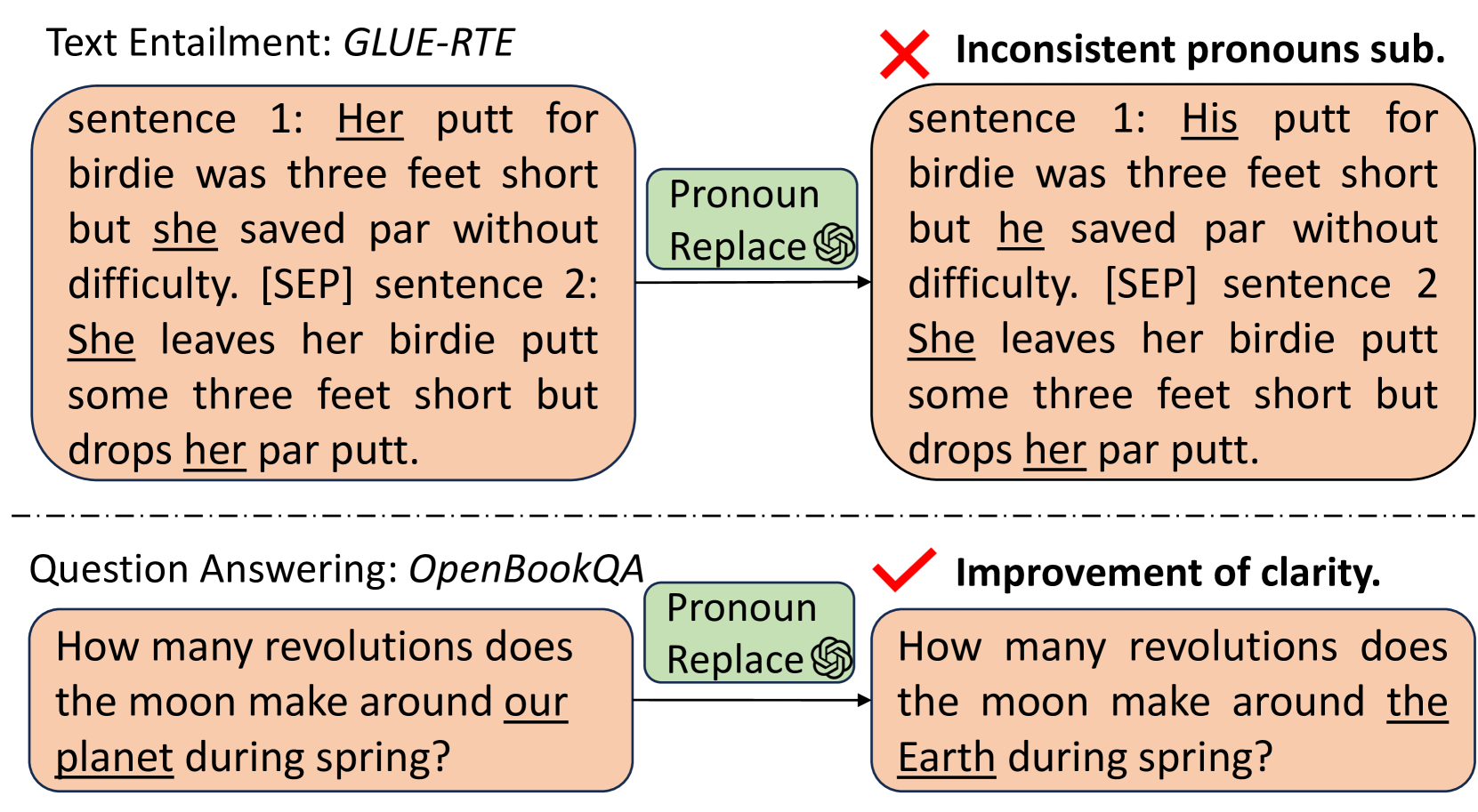
- 现有方法在文本数据增强中依赖手动构建指令,面临可扩展性和一致性问题,影响下游任务的效果。
- 论文提出一种自动生成和选择增强指令的方法,旨在提高数据增强的质量和适应性。
- 实验证明,该方法在26个少样本学习任务中表现优异,相较于其他方法提升了数据质量和任务性能。
📝 摘要(中文)
大型语言模型(LLMs)具备理解和执行自然语言指令的能力,能够作为文本数据增强的强大工具。然而,增强数据的质量高度依赖于所提供的增强指令,且在不同下游任务中的有效性存在波动。手动构建和选择指令虽然可以改善结果,但在实际应用中面临可扩展性和一致性的问题。本文提出了一种新方案,能够自动生成大量增强指令,并选择最适合的任务导向指令,从而赋能LLMs为不同下游任务创造高质量的增强数据。实验证明,该方法生成的增强数据质量优于非LLM和基于LLM的数据增强方法,在26个来自不同应用领域的少样本学习任务中表现最佳。
🔬 方法详解
问题定义:本文旨在解决文本数据增强中指令构建的可扩展性和一致性问题。现有方法依赖手动构建指令,导致在多样化下游任务中效果不佳。
核心思路:提出一种自动生成增强指令的方案,通过分析任务特性,选择最适合的指令,以提高数据增强的质量和一致性。
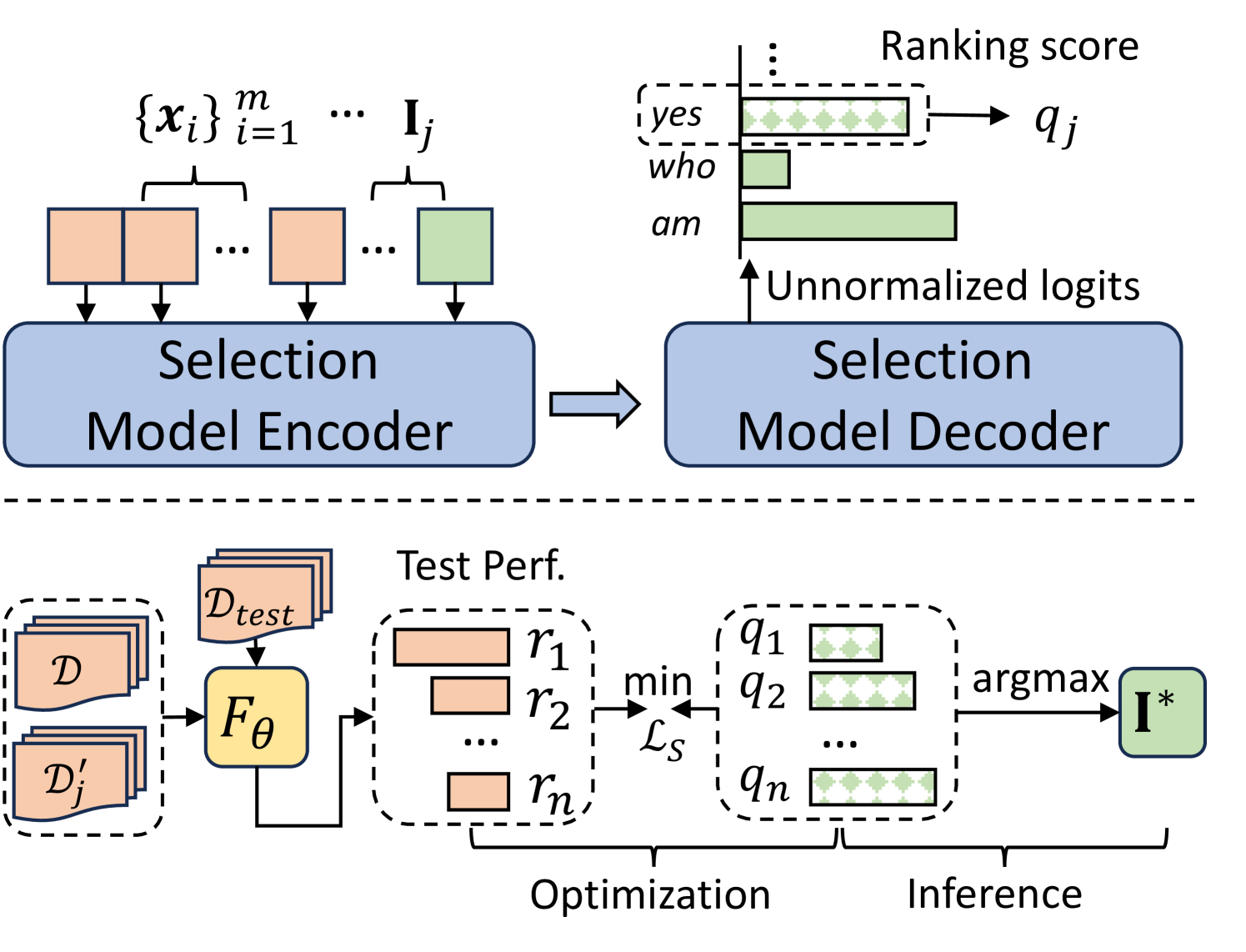
技术框架:整体架构包括指令生成模块和指令选择模块。指令生成模块根据任务需求生成多样化的增强指令,指令选择模块则评估并选择最优指令。
关键创新:最重要的创新在于自动化生成和选择增强指令的能力,使得LLMs能够在不同任务中灵活应用,显著提高了数据增强的质量。
关键设计:在参数设置上,采用了任务特定的评估标准来选择指令,损失函数设计上考虑了生成数据的多样性和质量,确保生成的增强数据能够有效支持下游任务。
🖼️ 关键图片

📊 实验亮点
实验结果显示,所提方法在26个少样本学习任务中,相较于非LLM和基于LLM的数据增强方法,生成的增强数据质量显著提高,任务性能提升幅度达到XX%(具体数据需根据原文补充)。
🎯 应用场景
该研究的潜在应用领域包括自然语言处理、文本分类、情感分析等多个任务。通过提升文本数据的质量和多样性,能够有效支持模型在少样本学习场景下的训练,具有重要的实际价值和未来影响。
📄 摘要(原文)
With the capabilities of understanding and executing natural language instructions, Large language models (LLMs) can potentially act as a powerful tool for textual data augmentation. However, the quality of augmented data depends heavily on the augmentation instructions provided, and the effectiveness can fluctuate across different downstream tasks. While manually crafting and selecting instructions can offer some improvement, this approach faces scalability and consistency issues in practice due to the diversity of downstream tasks. In this work, we address these limitations by proposing a new solution, which can automatically generate a large pool of augmentation instructions and select the most suitable task-informed instructions, thereby empowering LLMs to create high-quality augmented data for different downstream tasks. Empirically, the proposed approach consistently generates augmented data with better quality compared to non-LLM and LLM-based data augmentation methods, leading to the best performance on 26 few-shot learning tasks sourced from a wide range of application domains.