Multimodal Cross-Document Event Coreference Resolution Using Linear Semantic Transfer and Mixed-Modality Ensembles
作者: Abhijnan Nath, Huma Jamil, Shafiuddin Rehan Ahmed, George Baker, Rahul Ghosh, James H. Martin, Nathaniel Blanchard, Nikhil Krishnaswamy
分类: cs.CL
发布日期: 2024-04-13
备注: To appear at LREC-COLING 2024
💡 一句话要点
提出多模态方法以解决跨文档事件共指解析问题
🎯 匹配领域: 支柱九:具身大模型 (Embodied Foundation Models)
关键词: 事件共指解析 多模态融合 线性映射 图像辅助 文本处理 信息检索 社交媒体分析
📋 核心要点
- 现有的事件共指解析方法在处理多文档语料时,往往面临语言模糊性的问题,导致解析效果不佳。
- 本文提出了一种结合视觉和文本信息的多模态解析方法,通过线性映射实现视觉与语言模型的融合,提升了解析准确性。
- 实验结果显示,使用交叉模态线性映射的集成系统在ECB+数据集上达到了91.9的CoNLL F1分数,并在AIDA Phase 1上建立了新的基线。
📝 摘要(中文)
事件共指解析(ECR)是确定多文档语料中不同事件提及是否指向同一事件的任务。当语言模糊时,事件的图像可以帮助解决这一问题。本文提出了一种多模态跨文档事件共指解析方法,结合了视觉和文本线索,并通过简单的线性映射将视觉模型与语言模型连接。由于现有的ECR基准数据集很少为所有事件提及提供图像,我们从互联网抓取并使用图像扩散模型生成事件中心图像,增强了流行的ECB+数据集。我们建立了三种结合图像和文本的共指解析方法,并在增强的ECB+和AIDA Phase 1两个数据集上进行评估。我们的实验结果表明,多模态信息在某些具有挑战性的共指问题中具有实用性,并强调了在共指解析领域对更多多模态资源的需求。
🔬 方法详解
问题定义:本文旨在解决跨文档事件共指解析中的模糊性问题,现有方法在处理多模态信息时效果有限,缺乏有效的图像辅助支持。
核心思路:通过引入图像信息,结合文本线索,利用线性映射实现视觉与语言模型的融合,增强共指解析的准确性和鲁棒性。
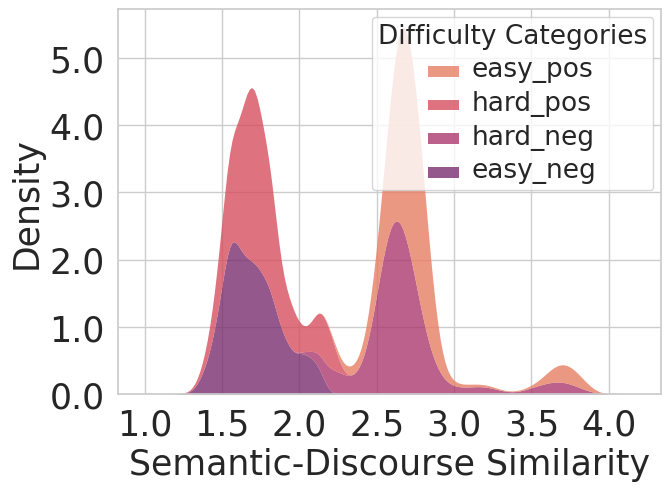
技术框架:整体架构包括三个主要模块:1) 标准融合模型,进行微调以整合图像和文本;2) 新颖的线性映射方法,无需微调;3) 基于语义和话语层次难度划分的集成方法。
关键创新:最重要的创新在于提出了一种简单的线性映射方法,能够有效地将视觉信息与文本信息结合,克服了传统方法的局限性。
关键设计:在模型设计中,采用了特定的损失函数以优化图像与文本的对齐,并通过集成学习策略提升了模型的整体性能。
🖼️ 关键图片

📊 实验亮点
实验结果表明,使用交叉模态线性映射的集成系统在增强的ECB+数据集上达到了91.9的CoNLL F1分数,显著提升了共指解析的性能,并在AIDA Phase 1上建立了新的基线,展示了多模态信息的有效性。
🎯 应用场景
该研究的潜在应用领域包括信息检索、社交媒体分析和新闻事件追踪等。通过提高事件共指解析的准确性,能够更好地理解和处理多文档环境中的信息,具有重要的实际价值和未来影响。
📄 摘要(原文)
Event coreference resolution (ECR) is the task of determining whether distinct mentions of events within a multi-document corpus are actually linked to the same underlying occurrence. Images of the events can help facilitate resolution when language is ambiguous. Here, we propose a multimodal cross-document event coreference resolution method that integrates visual and textual cues with a simple linear map between vision and language models. As existing ECR benchmark datasets rarely provide images for all event mentions, we augment the popular ECB+ dataset with event-centric images scraped from the internet and generated using image diffusion models. We establish three methods that incorporate images and text for coreference: 1) a standard fused model with finetuning, 2) a novel linear mapping method without finetuning and 3) an ensembling approach based on splitting mention pairs by semantic and discourse-level difficulty. We evaluate on 2 datasets: the augmented ECB+, and AIDA Phase 1. Our ensemble systems using cross-modal linear mapping establish an upper limit (91.9 CoNLL F1) on ECB+ ECR performance given the preprocessing assumptions used, and establish a novel baseline on AIDA Phase 1. Our results demonstrate the utility of multimodal information in ECR for certain challenging coreference problems, and highlight a need for more multimodal resources in the coreference resolution space.