Third-Party Language Model Performance Prediction from Instruction
作者: Rahul Nadkarni, Yizhong Wang, Noah A. Smith
分类: cs.CL
发布日期: 2024-03-19
💡 一句话要点
提出第三方性能预测框架以解决指令跟随系统透明性不足问题
🎯 匹配领域: 支柱九:具身大模型 (Embodied Foundation Models)
关键词: 指令跟随系统 性能预测 自然语言处理 模型透明性 机器学习
📋 核心要点
- 现有的指令跟随系统缺乏透明性,用户难以判断模型的响应准确性及其任务执行能力。
- 本文提出了一种第三方性能预测框架,旨在通过独立模型预测指令跟随系统的性能。
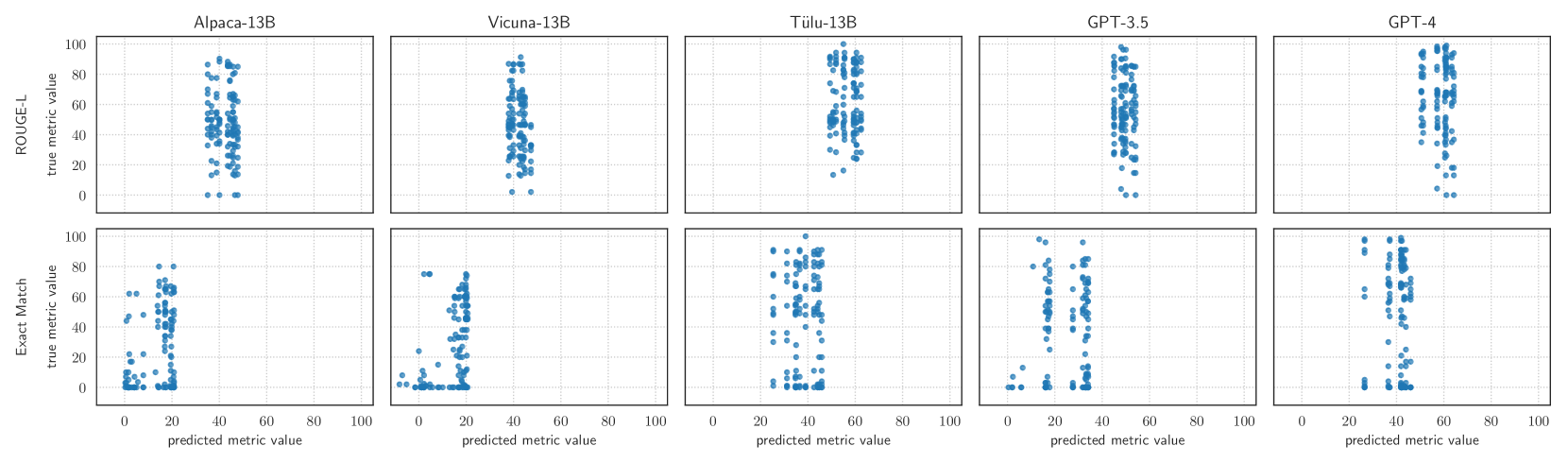
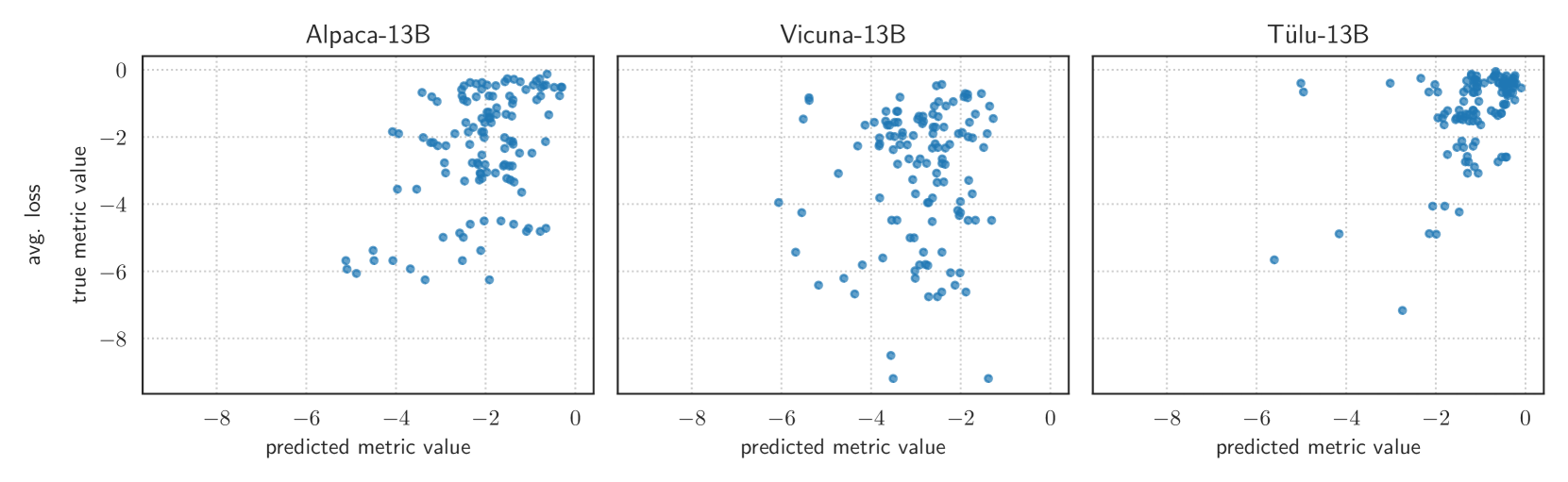
- 实验表明,第三方性能预测面临诸多挑战,未来仍需改进以揭示现代系统的局限性。
📝 摘要(中文)
基于语言模型的指令跟随系统在多个基准任务上表现出色,能够适应多样化的指令。然而,这些系统通常缺乏透明性,用户在使用时难以判断模型的响应是否准确。本文提出了一种第三方性能预测框架,通过训练一个独立模型,仅基于输入和输出预测指令跟随系统在特定任务上的表现。我们分析了多种开放和封闭的指令跟随模型及多种性能预测器,并考察了模型规模、训练任务数量和提示格式等因素的影响。研究发现,第三方性能预测非常具有挑战性,仍需进一步开发能够自动揭示现代指令跟随自然语言处理系统局限性的预测器。
🔬 方法详解
问题定义:本文旨在解决指令跟随系统透明性不足的问题,现有方法无法有效评估模型在特定任务上的表现,导致用户无法判断模型的能力和局限性。
核心思路:提出一个独立的性能预测模型,该模型仅依赖于指令跟随系统的输入和输出进行性能预测,从而提供对模型能力的透明评估。
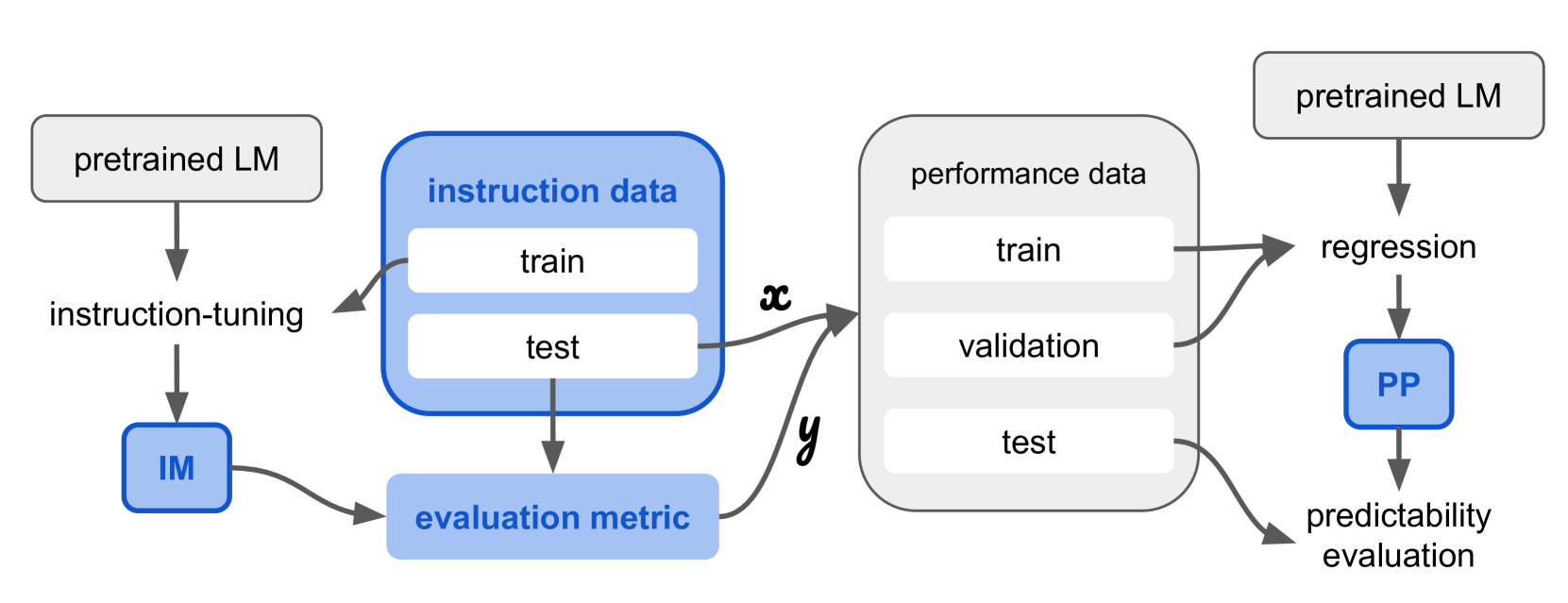
技术框架:整体架构包括多个模块:首先是输入数据的收集与预处理,其次是性能预测模型的训练,最后是通过评估指标对指令跟随系统的性能进行预测与分析。
关键创新:最重要的创新在于引入了第三方性能预测机制,使得用户能够在不直接依赖指令跟随系统的情况下,评估其性能,这与传统方法的依赖性形成鲜明对比。
关键设计:在模型设计中,考虑了多个参数设置,如模型规模、训练任务的数量和提示格式等,使用了适合的损失函数来优化性能预测的准确性。具体的网络结构和训练策略也经过精心设计,以提高预测的可靠性。
🖼️ 关键图片
📊 实验亮点
实验结果显示,第三方性能预测在多种指令跟随模型上均表现出显著的挑战性,尽管如此,研究者们仍在探索改进预测器的可能性,以便更准确地揭示系统的局限性。具体的性能数据和对比基线尚未明确,但研究表明现有方法的有效性仍有待提升。
🎯 应用场景
该研究的潜在应用领域包括智能助手、自动化客服和教育技术等,能够帮助用户在使用指令跟随系统时更好地理解其能力和局限性,从而提高用户体验和系统的有效性。未来,随着性能预测技术的进步,可能会在更多领域实现广泛应用。
📄 摘要(原文)
Language model-based instruction-following systems have lately shown increasing performance on many benchmark tasks, demonstrating the capability of adapting to a broad variety of instructions. However, such systems are often not designed to be transparent about their limitations; a user may easily prompt a model with an instruction without any idea of whether the responses should be expected to be accurate, or if the system is even capable of performing the task. We propose a third party performance prediction framework, where a separate model is trained to predict the metric resulting from evaluating an instruction-following system on a task while assuming access only to its inputs and outputs at inference time. We perform this analysis with a variety of both open and closed instruction-following models as well as multiple performance predictors, and examine the effect of various factors such as model size, number of training tasks, and prompt format. Our findings indicate that third-party performance prediction is very challenging, and much work remains in developing predictors that can automatically reveal the limitations of modern instruction-following natural language processing systems.