Gender Bias in Large Language Models across Multiple Languages
作者: Jinman Zhao, Yitian Ding, Chen Jia, Yining Wang, Zifan Qian
分类: cs.CL
发布日期: 2024-03-01
备注: 20 pages, 27 tables, 7 figures, submitted to ACL2024
💡 一句话要点
研究多语言大模型中的性别偏见问题
🎯 匹配领域: 支柱九:具身大模型 (Embodied Foundation Models)
关键词: 性别偏见 大语言模型 自然语言处理 多语言分析 对话生成
📋 核心要点
- 现有研究主要集中在英语中的性别偏见,其他语言的研究相对较少,导致对多语言环境中的性别偏见理解不足。
- 本研究提出了三种测量方法,系统评估LLMs在多语言环境下的性别偏见,涵盖描述性词汇、代词选择及对话主题。
- 实验结果显示,所考察的多种语言中均存在显著的性别偏见,提示了LLMs在多语言应用中的潜在问题。
📝 摘要(中文)
随着大语言模型(LLMs)在各种应用中的广泛部署,评估其嵌入的性别偏见影响变得至关重要。尽管性别偏见在自然语言处理(NLP)领域,尤其是英语中得到了广泛关注,但对非英语语言的性别偏见研究仍相对不足。本研究通过三种测量方法,分析了不同语言中LLMs生成输出的性别偏见,包括描述性词汇的选择、性别相关代词的选择以及对话主题的性别偏见。研究发现,在所有考察的语言中均存在显著的性别偏见。
🔬 方法详解
问题定义:本研究旨在解决大语言模型(LLMs)中嵌入的性别偏见问题,尤其是在非英语语言中的表现。现有方法对多语言环境中的性别偏见研究不足,缺乏系统性分析。
核心思路:本研究通过三种测量方法,分析LLMs生成的输出,重点关注描述性词汇、性别代词选择及对话主题,以全面评估性别偏见。
技术框架:研究首先收集不同语言的LLMs生成输出,然后应用三种测量方法进行分析,最后对结果进行统计和比较,以揭示性别偏见的普遍性和差异性。
关键创新:本研究的创新之处在于首次系统性地评估了多种语言中的性别偏见,填补了现有研究的空白,提供了新的视角和方法论。
关键设计:在测量方法中,采用了描述性词汇选择、性别代词选择和对话主题分析,确保了评估的全面性和准确性。
🖼️ 关键图片
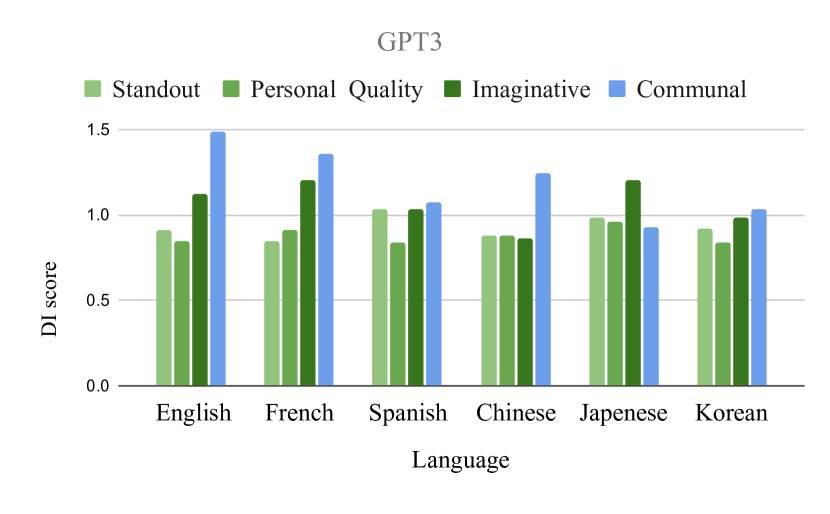
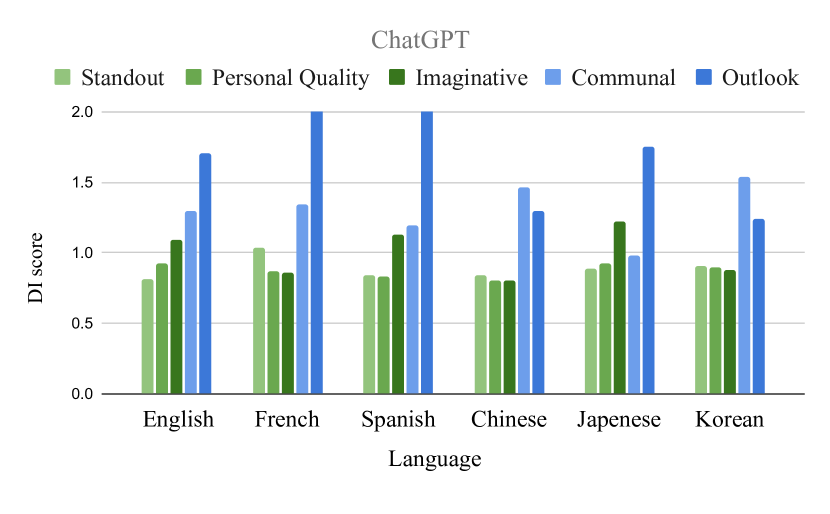
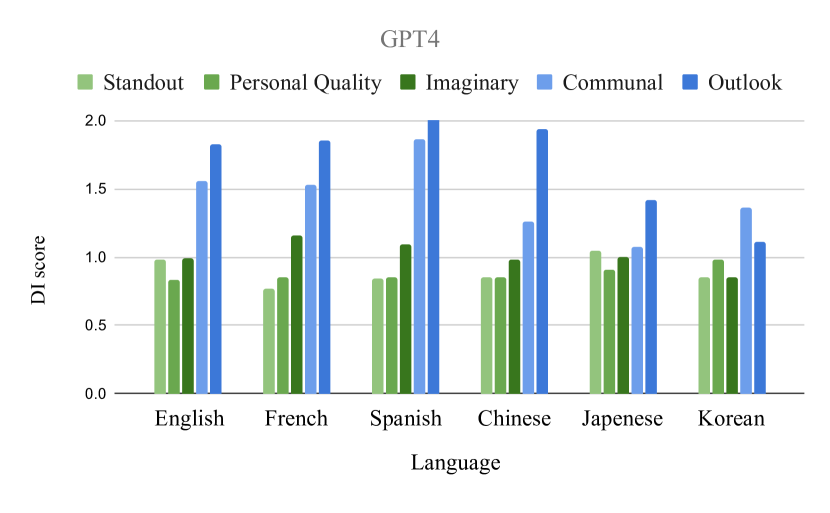
📊 实验亮点
实验结果表明,所考察的多种语言中均存在显著的性别偏见,尤其在描述性词汇和代词选择上表现突出。这一发现强调了在多语言环境中开发和应用LLMs时,需关注性别偏见问题。
🎯 应用场景
该研究的潜在应用领域包括自然语言处理、机器翻译和人机交互等。通过识别和减少性别偏见,可以提高多语言模型的公平性和用户体验,促进更包容的技术发展。
📄 摘要(原文)
With the growing deployment of large language models (LLMs) across various applications, assessing the influence of gender biases embedded in LLMs becomes crucial. The topic of gender bias within the realm of natural language processing (NLP) has gained considerable focus, particularly in the context of English. Nonetheless, the investigation of gender bias in languages other than English is still relatively under-explored and insufficiently analyzed. In this work, We examine gender bias in LLMs-generated outputs for different languages. We use three measurements: 1) gender bias in selecting descriptive words given the gender-related context. 2) gender bias in selecting gender-related pronouns (she/he) given the descriptive words. 3) gender bias in the topics of LLM-generated dialogues. We investigate the outputs of the GPT series of LLMs in various languages using our three measurement methods. Our findings revealed significant gender biases across all the languages we examined.