ArabianGPT: Native Arabic GPT-based Large Language Model
作者: Anis Koubaa, Adel Ammar, Lahouari Ghouti, Omar Najar, Serry Sibaee
分类: cs.CL, cs.AI, cs.LG
发布日期: 2024-02-23 (更新: 2024-02-26)
💡 一句话要点
提出ArabianGPT以解决阿拉伯语大语言模型不足问题
🎯 匹配领域: 支柱九:具身大模型 (Embodied Foundation Models)
关键词: 阿拉伯语处理 大语言模型 变换器架构 AraNizer分词器 情感分析 文本摘要 自然语言处理
📋 核心要点
- 现有的阿拉伯语大语言模型普遍包含英语标记,导致其在处理阿拉伯语复杂语法和形态时效果不佳。
- 本文提出ArabianGPT系列模型,专注于阿拉伯语的语言特征,采用AraNizer分词器以提高文本处理的准确性。
- 经过微调的ArabianGPT模型在情感分析和摘要生成等任务中表现出显著提升,尤其在情感分析中准确率提高至95%。
📝 摘要(中文)
随着英语和拉丁语大语言模型的主导地位,阿拉伯语本土大语言模型的缺乏愈发明显。现有阿拉伯模型普遍包含英语标记,影响其处理阿拉伯语复杂形态和语法的能力。因此,开发专注于阿拉伯语言元素的大语言模型势在必行。本文提出了ArabianGPT,这是一个专为阿拉伯语设计的变换器模型系列,包含ArabianGPT-0.1B和ArabianGPT-0.3B,旨在更好地处理阿拉伯语的语言特征。AraNizer分词器解决了阿拉伯语书写的独特形态问题,确保文本处理的准确性。实验证明,经过微调的ArabianGPT-0.1B模型在情感分析任务中达到了95%的准确率,显著提升了基线模型的56%。
🔬 方法详解
问题定义:本文旨在解决阿拉伯语大语言模型的缺乏及现有模型对阿拉伯语复杂形态和语法处理不佳的问题。现有模型普遍包含英语标记,影响其效果。
核心思路:提出ArabianGPT系列模型,专为阿拉伯语设计,采用AraNizer分词器以更好地处理阿拉伯语的独特形态特征,从而提升模型在自然语言处理任务中的表现。
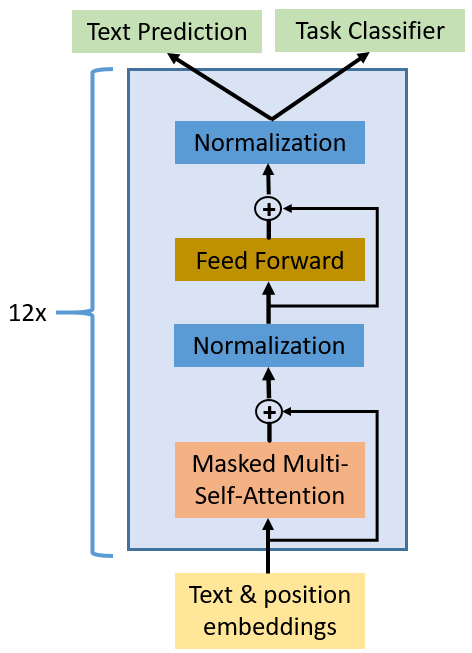
技术框架:ArabianGPT模型基于变换器架构,包含多个不同规模的模型(如ArabianGPT-0.1B和ArabianGPT-0.3B),并通过AraNizer分词器进行文本预处理,确保对阿拉伯语的准确解析。
关键创新:最重要的创新在于AraNizer分词器的设计,专门针对阿拉伯语的形态特征进行优化,确保模型在处理阿拉伯文本时的准确性和有效性。
关键设计:模型的参数设置和损失函数经过精心设计,以适应阿拉伯语的语言特性,确保在情感分析和摘要生成等任务中实现最佳性能。
🖼️ 关键图片
📊 实验亮点
在实验中,经过微调的ArabianGPT-0.1B模型在情感分析任务中达到了95%的准确率,相较于基线模型的56%有显著提升。此外,模型在摘要生成任务中的F1分数也显示出精确度和召回率的改善,表明微调对特定自然语言处理任务的积极影响。
🎯 应用场景
ArabianGPT的研究成果在阿拉伯语自然语言处理领域具有广泛的应用潜力,包括情感分析、文本摘要、问答系统等。随着阿拉伯语大语言模型的不断发展,未来可能会推动更多基于阿拉伯语的智能应用和服务的落地,提升阿拉伯语用户的数字体验。
📄 摘要(原文)
The predominance of English and Latin-based large language models (LLMs) has led to a notable deficit in native Arabic LLMs. This discrepancy is accentuated by the prevalent inclusion of English tokens in existing Arabic models, detracting from their efficacy in processing native Arabic's intricate morphology and syntax. Consequently, there is a theoretical and practical imperative for developing LLMs predominantly focused on Arabic linguistic elements. To address this gap, this paper proposes ArabianGPT, a series of transformer-based models within the ArabianLLM suite designed explicitly for Arabic. These models, including ArabianGPT-0.1B and ArabianGPT-0.3B, vary in size and complexity, aligning with the nuanced linguistic characteristics of Arabic. The AraNizer tokenizer, integral to these models, addresses the unique morphological aspects of Arabic script, ensuring more accurate text processing. Empirical results from fine-tuning the models on tasks like sentiment analysis and summarization demonstrate significant improvements. For sentiment analysis, the fine-tuned ArabianGPT-0.1B model achieved a remarkable accuracy of 95%, a substantial increase from the base model's 56%. Similarly, in summarization tasks, fine-tuned models showed enhanced F1 scores, indicating improved precision and recall in generating concise summaries. Comparative analysis of fine-tuned ArabianGPT models against their base versions across various benchmarks reveals nuanced differences in performance, with fine-tuning positively impacting specific tasks like question answering and summarization. These findings underscore the efficacy of fine-tuning in aligning ArabianGPT models more closely with specific NLP tasks, highlighting the potential of tailored transformer architectures in advancing Arabic NLP.