ChatGPT in Linear Algebra: Strides Forward, Steps to Go
作者: Eli Bagno, Thierry Dana-Picard, Shulamit Reches
分类: cs.CY, cs.CL, cs.LG
发布日期: 2024-02-18
备注: arXiv admin note: text overlap with arXiv:2306.16282
💡 一句话要点
探讨ChatGPT在基础线性代数教育中的应用与局限性
🎯 匹配领域: 支柱三:空间感知与语义 (Perception & Semantics)
关键词: 线性代数 教育技术 ChatGPT 人工智能 教学助手 数学教育 人机交互
📋 核心要点
- 现有的教育技术在解决复杂数学问题时,往往缺乏足够的理解和互动能力。
- 论文通过分析ChatGPT在基础线性代数中的应用,探讨其作为教学助手的潜力与局限。
- 研究表明,尽管ChatGPT在某些方面有所提升,但总体上仍无法替代人类教师的角色。
📝 摘要(中文)
随着新技术的出现,教育界积极探索其在教学中的应用。本文分析了ChatGPT在基础线性代数主题上的表现,反映了其在解决线性代数问题方面的显著进步。尽管讨论了该软件是否能作为教学助手或替代人类教师,结果总体上是否定的。对于少数积极的应用场景,文中提供了一些关于原始工具生成的反思。同时,强调了ChatGPT的统计基础运作,而非真正的理解与反思。
🔬 方法详解
问题定义:本文旨在探讨ChatGPT在基础线性代数教育中的应用效果,现有方法在理解和解决复杂数学问题时存在不足,尤其是在与学生的互动和反馈方面。
核心思路:论文分析了ChatGPT在处理线性代数问题时的表现,评估其作为教学助手的潜力,并指出其在理解问题上的局限性。通过对比人类教师的教学方式,强调了ChatGPT的统计基础运作。
技术框架:研究通过对ChatGPT与用户的互动进行分析,构建了一个评估框架,主要包括问题理解、解答生成和用户反馈三个模块。
关键创新:最重要的创新在于对ChatGPT在教育场景中的应用进行了系统性分析,揭示了其在处理线性代数问题时的优势与不足,尤其是在理解深度和交互性方面的差异。
关键设计:研究中关注了ChatGPT的参数设置和模型训练过程,强调了其在统计学习基础上的工作机制,而非基于深层理解的反应。
🖼️ 关键图片

📊 实验亮点
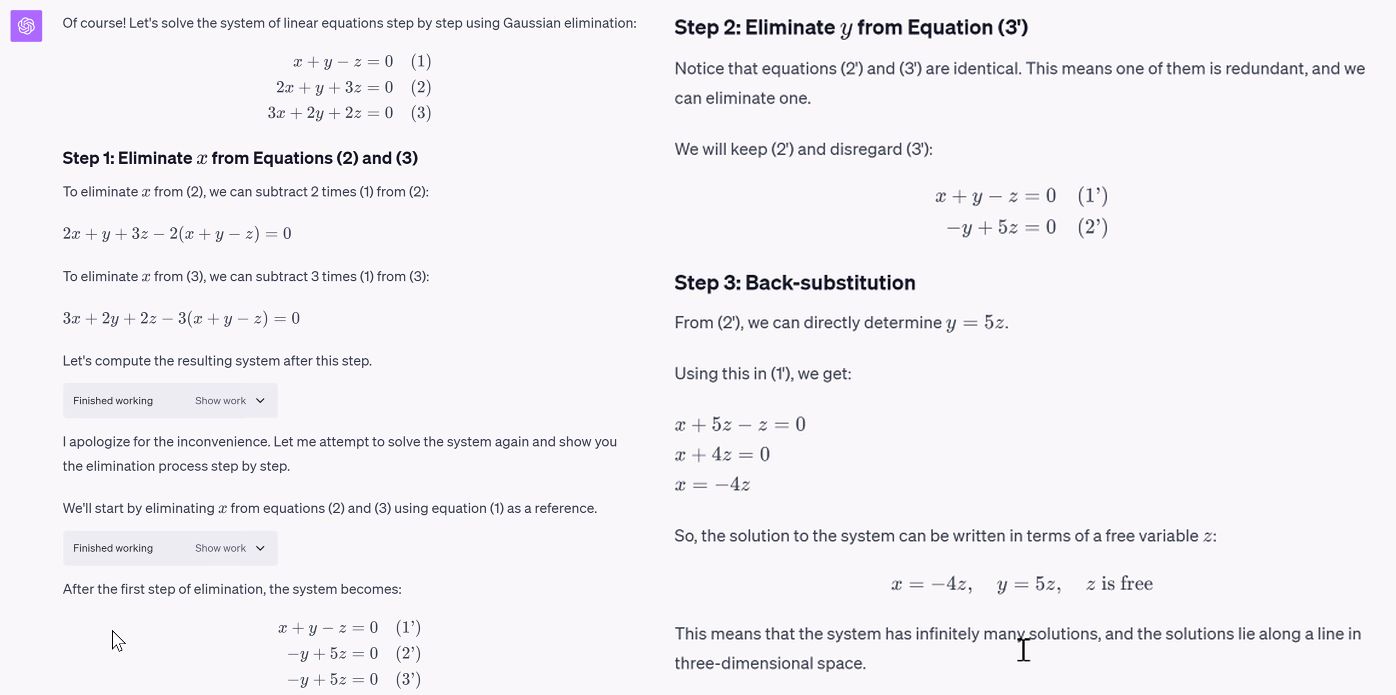
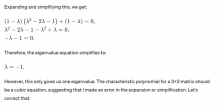
研究结果显示,尽管ChatGPT在某些线性代数问题上表现出色,但总体上仍无法替代人类教师。具体而言,在理解复杂问题和提供个性化反馈方面,ChatGPT的表现仍有待提升。
🎯 应用场景
该研究为教育技术的应用提供了重要的见解,尤其是在数学教育领域。未来,ChatGPT可能在辅助教学、个性化学习和在线教育平台中发挥更大作用,但仍需克服理解和互动的局限性,以实现更有效的教学支持。
📄 摘要(原文)
As soon as a new technology emerges, the education community explores its affordances and the possibilities to apply it in education. In this paper, we analyze sessions with ChatGPT around topics in basic Linear Algebra. We reflect the process undertaken by the ChatGPT along the recent year in our area of interest, emphasising the vast improvement that has been done in grappling with Linear Algebra problems. In particular, the question whether this software can be a teaching assistant or even somehow replace the human teacher, is addressed. As of the time this paper is written, the answer is generally negative. For the small part where the answer can be positive, some reflections about an original instrumental genesis are given. Communication with the software gives the impression to talk to a human, and sometimes the question is whether the software understands the question or not. Therefore, the reader's attention is drawn to the fact that ChatGPT works on a statistical basis and not according to reflection and understanding.