Opening the black box of language acquisition
作者: Jérôme Michaud, Anna Jon-and
分类: cs.CL, math.NA
发布日期: 2024-02-18
💡 一句话要点
提出一种透明的语言学习架构以解决深度学习模型的不足
🎯 匹配领域: 支柱二:RL算法与架构 (RL & Architecture) 支柱九:具身大模型 (Embodied Foundation Models)
关键词: 语言学习 认知架构 序列记忆 强化学习 深度学习替代方案 人工语言 语法提取
📋 核心要点
- 现有的大型语言模型在表示语法信息方面存在不确定性,并且需要大量预训练数据,限制了其应用。
- 本文提出了一种基于序列记忆和块化的认知架构,采用强化学习机制,旨在提高语言学习的透明度和效率。
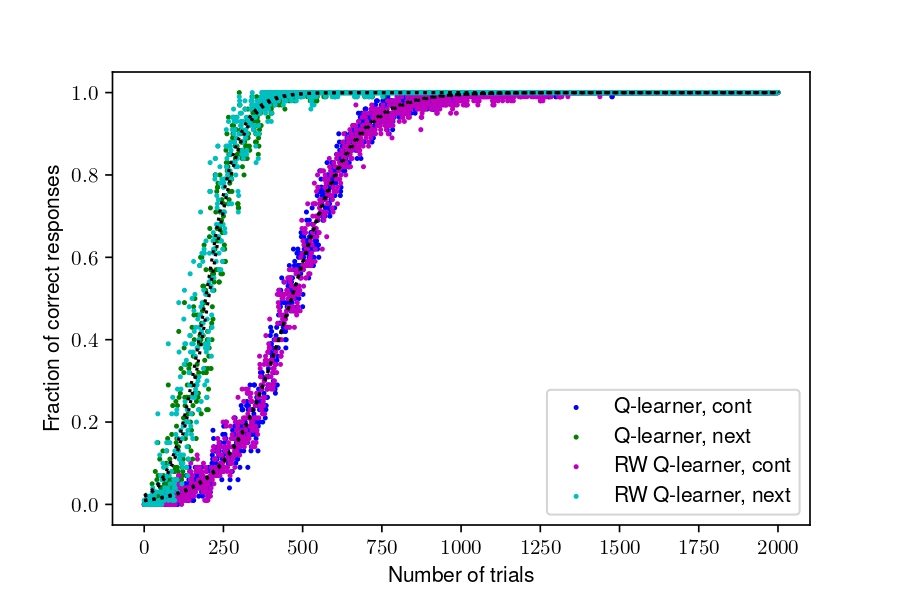
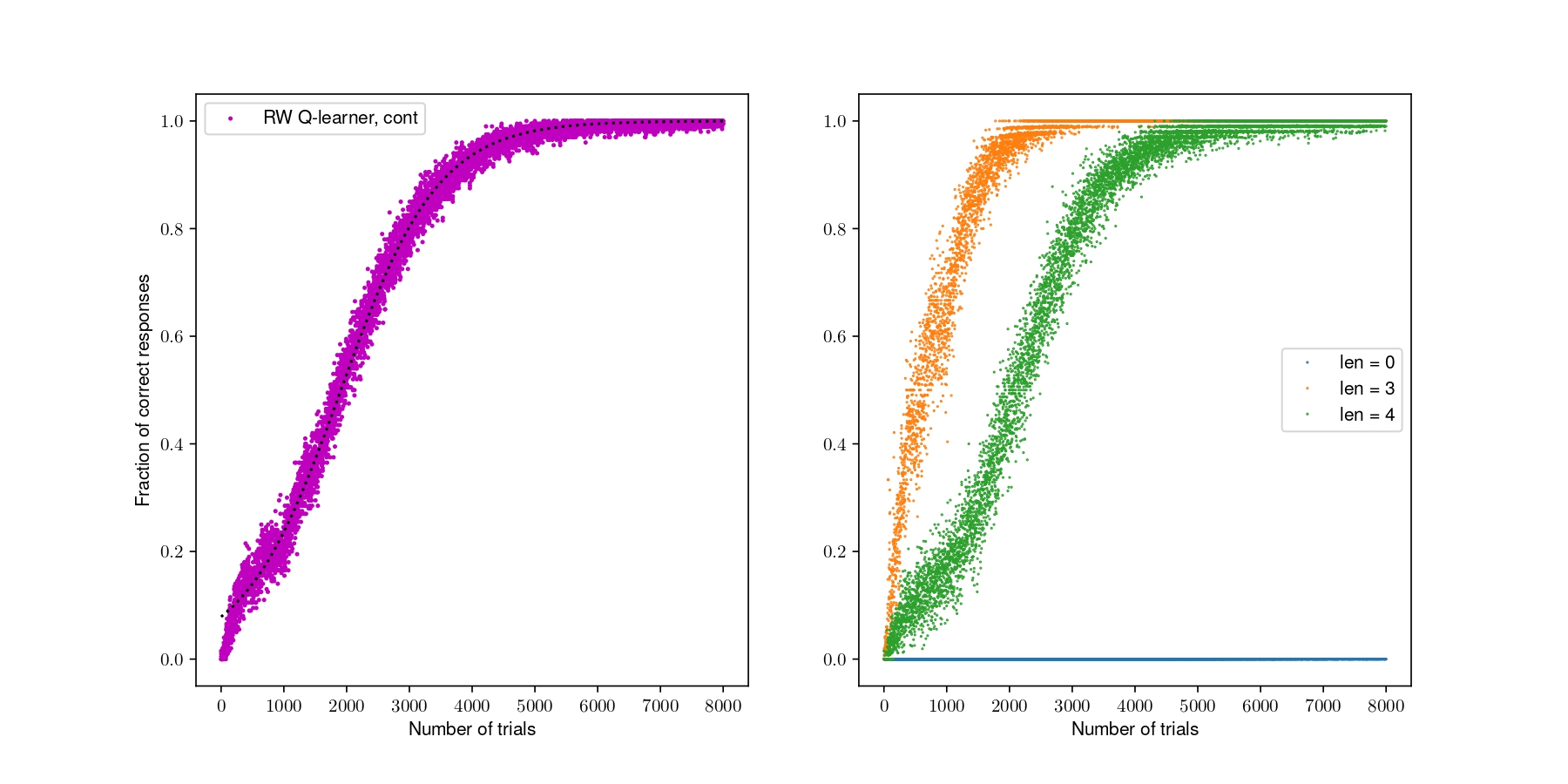
- 实验结果显示,该模型能够从零开始学习人工语言,并成功提取语法信息,验证了其有效性。
📝 摘要(中文)
近年来,深度学习技术的进步使得对语言学习的研究重新引起关注。然而,现有的大型语言模型在如何表示所学习语言的语法信息方面仍不明确。此外,这些模型需要在大规模语料库上进行预训练。本文提出了一种替代的、更加透明且符合认知的语言学习架构,基于序列记忆和块化的最小认知架构,而非深度学习。学习机制基于强化学习的原则。我们在多个自然类玩具语言上测试了该架构,结果表明模型能够从零开始学习这些人工语言,并提取支持学习的语法信息。我们的研究展示了这一简单架构的强大能力,并强调序列记忆作为语言学习过程中的关键组成部分的重要性。
🔬 方法详解
问题定义:本文旨在解决现有大型语言模型在语法信息表示上的不确定性及其对大规模预训练数据的依赖问题。
核心思路:提出了一种基于序列记忆和块化的认知架构,利用强化学习机制进行语言学习,强调透明性和认知合理性。
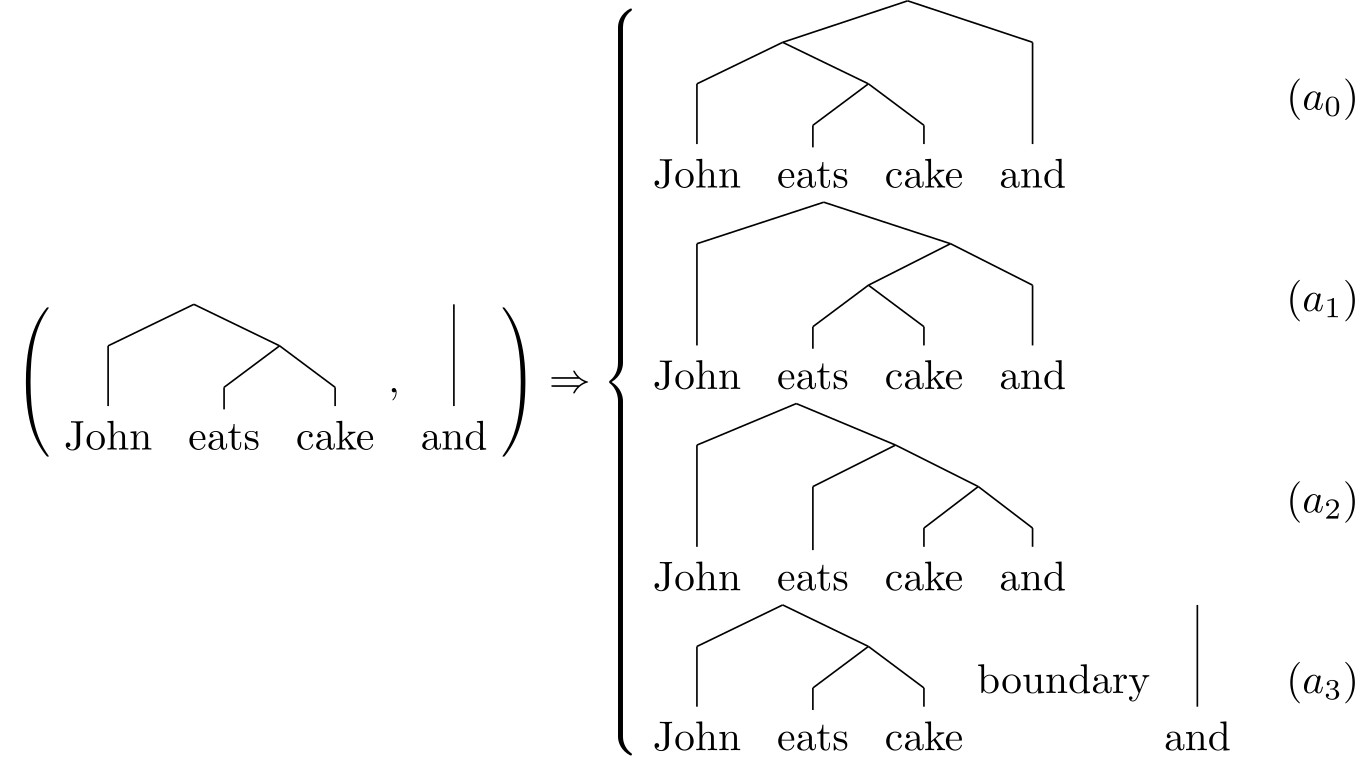
技术框架:整体架构包括序列记忆模块和块化处理,学习过程通过强化学习算法进行优化,能够有效提取语法信息。
关键创新:最重要的创新在于采用了最小认知架构,避免了深度学习的复杂性,使得模型在学习过程中更加透明和可解释。
关键设计:模型设计中,序列记忆的实现是核心,采用简单的块化策略来处理语言数据,具体的参数设置和损失函数设计尚未详细说明,属于未知领域。
🖼️ 关键图片
📊 实验亮点
实验结果表明,模型能够从零开始学习多种人工语言,并成功提取语法信息,验证了其有效性。与传统深度学习模型相比,该架构在学习透明度和认知合理性方面具有显著优势,具体性能数据尚未提供,属于未知领域。
🎯 应用场景
该研究的潜在应用领域包括自然语言处理、教育技术和认知科学等。通过提供一种更透明的语言学习机制,可以帮助开发更有效的语言学习工具和教育软件,促进人机交互的自然性和流畅性。未来,该架构可能为理解人类语言学习的认知过程提供新的视角。
📄 摘要(原文)
Recent advances in large language models using deep learning techniques have renewed interest on how languages can be learned from data. However, it is unclear whether or how these models represent grammatical information from the learned languages. In addition, the models must be pre-trained on large corpora before they can be used. In this work, we propose an alternative, more transparent and cognitively plausible architecture for learning language. Instead of using deep learning, our approach uses a minimal cognitive architecture based on sequence memory and chunking. The learning mechanism is based on the principles of reinforcement learning. We test our architecture on a number of natural-like toy languages. Results show that the model can learn these artificial languages from scratch and extract grammatical information that supports learning. Our study demonstrates the power of this simple architecture and stresses the importance of sequence memory as a key component of the language learning process. Since other animals do not seem to have a faithful sequence memory, this may explain why only humans have developed complex languages.