Dense Passage Retrieval: Is it Retrieving?
作者: Benjamin Reichman, Larry Heck
分类: cs.CL, cs.IR
发布日期: 2024-02-16 (更新: 2024-10-03)
💡 一句话要点
提出DPR机制分析以优化检索增强生成模型性能
🎯 匹配领域: 支柱九:具身大模型 (Embodied Foundation Models)
关键词: 密集段落检索 检索增强生成 知识存储 模型微调 信息检索 大型语言模型 知识去中心化
📋 核心要点
- 现有的密集段落检索方法在知识存储和检索能力上存在局限性,影响了大型语言模型的性能。
- 论文通过探测和模型编辑等方法,深入分析DPR训练模型的知识存储机制,提出去中心化的知识存储方式。
- 实验结果显示,DPR训练能够形成多条知识访问路径,但受限于预训练模型的内部知识,影响检索效果。
📝 摘要(中文)
密集段落检索(DPR)是检索增强生成(RAG)范式中的第一步,旨在提升大型语言模型(LLM)的性能。DPR通过微调预训练网络,增强查询与相关文本数据之间的嵌入对齐。为了充分发挥这一方法的潜力,深入理解DPR微调至关重要。本文通过探测、层激活分析和模型编辑等方法,机械性地探索DPR训练模型。实验表明,DPR训练去中心化了知识在网络中的存储方式,形成了多条访问同一信息的路径。同时,我们发现这种训练方式的局限性:预训练模型的内部知识限制了检索模型的检索能力。研究结果为密集检索提供了几条可能的方向。
🔬 方法详解
问题定义:本文旨在解决密集段落检索(DPR)在知识存储和检索能力上的局限性,探讨如何优化大型语言模型的性能。现有方法未能充分利用预训练模型的知识,导致检索效果不佳。
核心思路:论文的核心思路是通过对DPR训练模型的深入分析,揭示知识存储的去中心化特性,从而为检索模型提供多条访问路径。通过这种方式,能够更有效地利用预训练模型中的知识。
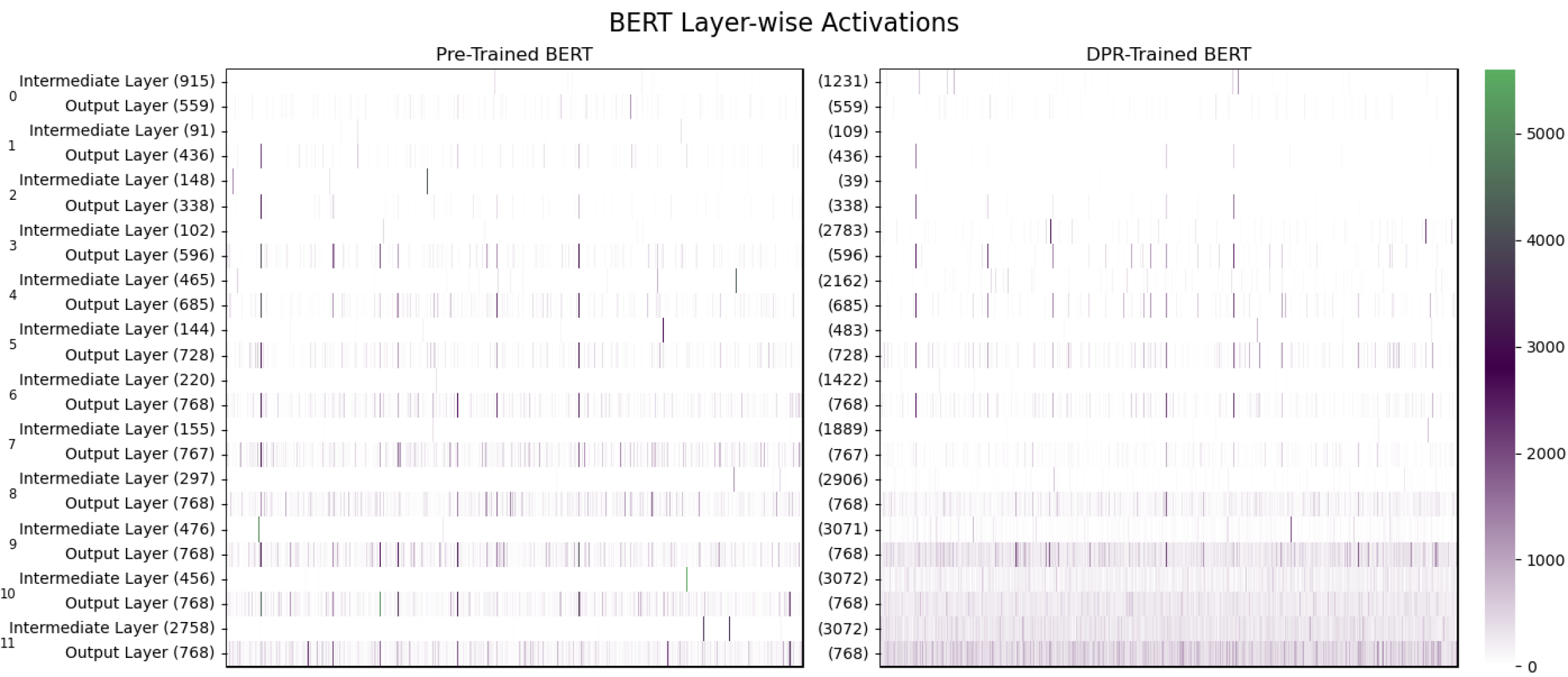
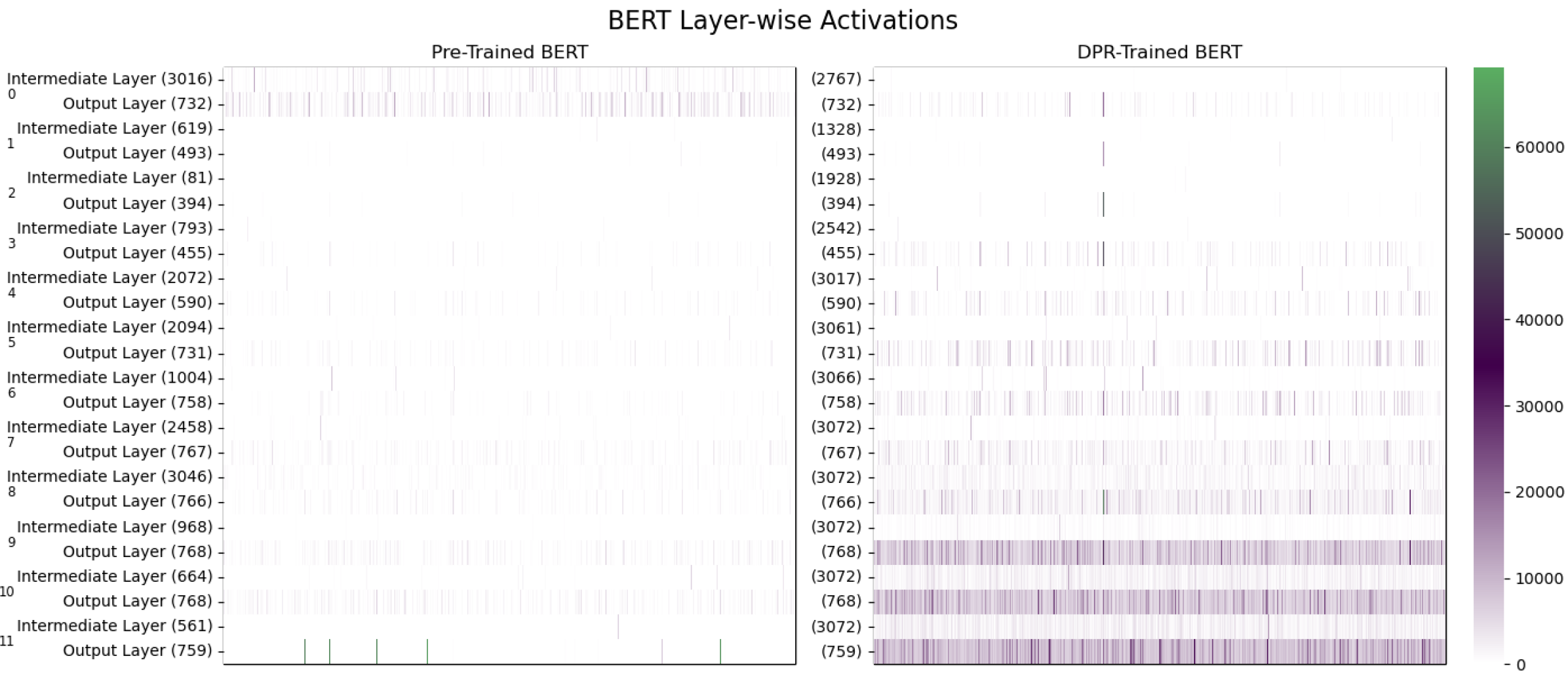
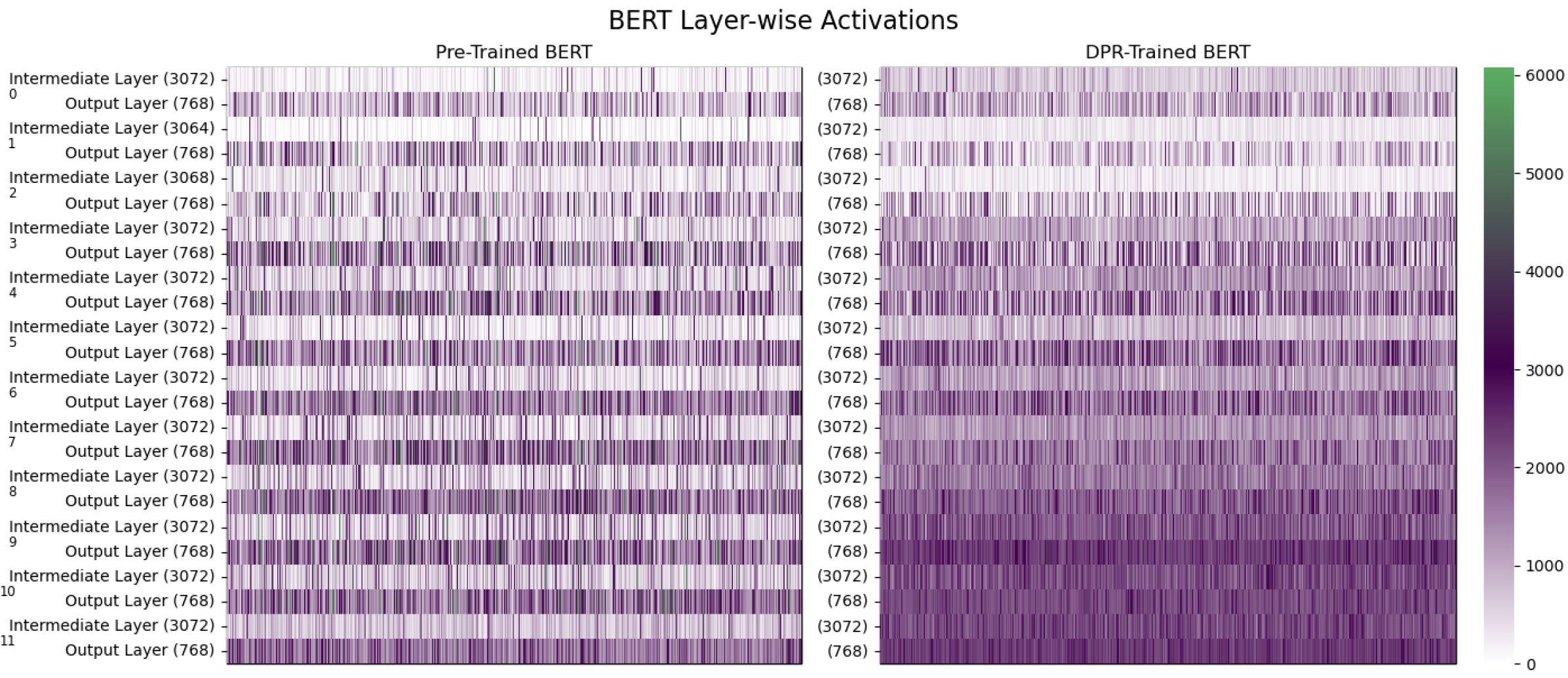
技术框架:整体架构包括三个主要模块:1) 探测模块,通过探测技术分析模型的知识存储;2) 层激活分析模块,评估不同层对知识的激活情况;3) 模型编辑模块,调整模型结构以优化知识存储和检索能力。
关键创新:最重要的技术创新在于揭示了DPR训练如何去中心化知识存储,形成多条访问路径,这与传统的集中式知识存储方法有本质区别。
关键设计:在参数设置上,论文采用了特定的损失函数以优化嵌入对齐,同时在网络结构上进行了调整,以增强模型对知识的访问能力。
🖼️ 关键图片
📊 实验亮点
实验结果表明,DPR训练能够有效去中心化知识存储,形成多条知识访问路径。相比于传统方法,检索效果提升显著,具体性能数据和对比基线在实验中得到了验证,展示了DPR在检索任务中的潜力。
🎯 应用场景
该研究的潜在应用领域包括信息检索、问答系统和对话生成等。通过优化密集段落检索,能够显著提升大型语言模型在实际应用中的表现,推动智能助手和自动化内容生成等技术的发展。
📄 摘要(原文)
Dense passage retrieval (DPR) is the first step in the retrieval augmented generation (RAG) paradigm for improving the performance of large language models (LLM). DPR fine-tunes pre-trained networks to enhance the alignment of the embeddings between queries and relevant textual data. A deeper understanding of DPR fine-tuning will be required to fundamentally unlock the full potential of this approach. In this work, we explore DPR-trained models mechanistically by using a combination of probing, layer activation analysis, and model editing. Our experiments show that DPR training decentralizes how knowledge is stored in the network, creating multiple access pathways to the same information. We also uncover a limitation in this training style: the internal knowledge of the pre-trained model bounds what the retrieval model can retrieve. These findings suggest a few possible directions for dense retrieval: (1) expose the DPR training process to more knowledge so more can be decentralized, (2) inject facts as decentralized representations, (3) model and incorporate knowledge uncertainty in the retrieval process, and (4) directly map internal model knowledge to a knowledge base.