On the Robustness of Editing Large Language Models
作者: Xinbei Ma, Tianjie Ju, Jiyang Qiu, Zhuosheng Zhang, Hai Zhao, Lifeng Liu, Yulong Wang
分类: cs.CL
发布日期: 2024-02-08 (更新: 2024-10-25)
备注: EMNLP2024. Code is publicly available at https://github.com/xbmxb/edit_analysis
🔗 代码/项目: GITHUB
💡 一句话要点
探讨大型语言模型编辑的鲁棒性以提升实际应用效果
🎯 匹配领域: 支柱一:机器人控制 (Robot Control) 支柱九:具身大模型 (Embodied Foundation Models)
关键词: 大型语言模型 模型编辑 鲁棒性 知识记忆 交互式人工智能 性能评估 提示重述
📋 核心要点
- 现有的模型编辑方法在面对灵活且常见的提示重述时,性能显著下降,显示出鲁棒性不足。
- 论文通过实证研究探讨编辑方法的优缺点,旨在提升大型语言模型在实际应用中的表现。
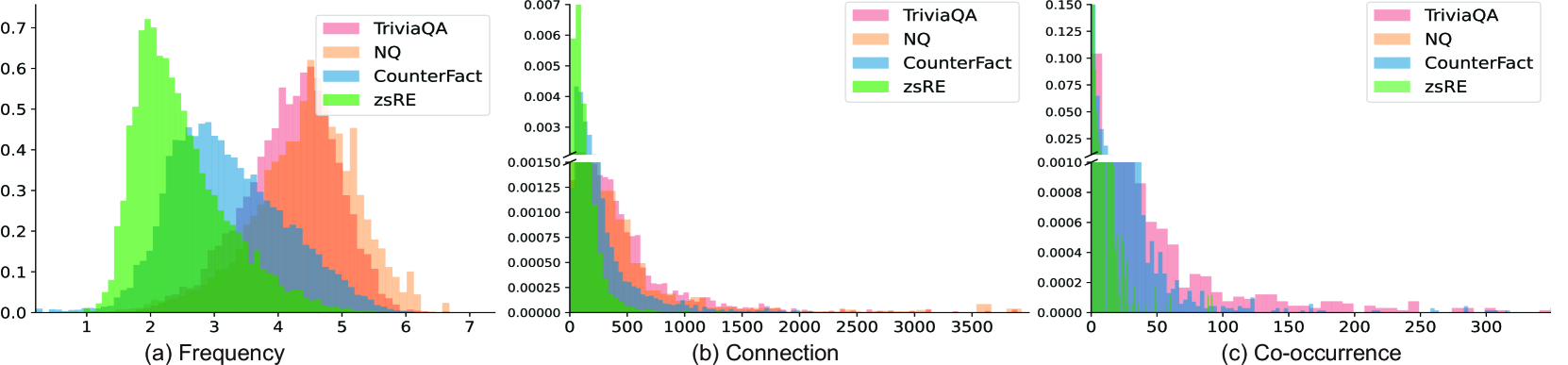
- 研究发现,流行知识的记忆效果更好,但编辑难度较大,影响了模型的整体性能和鲁棒性。
📝 摘要(中文)
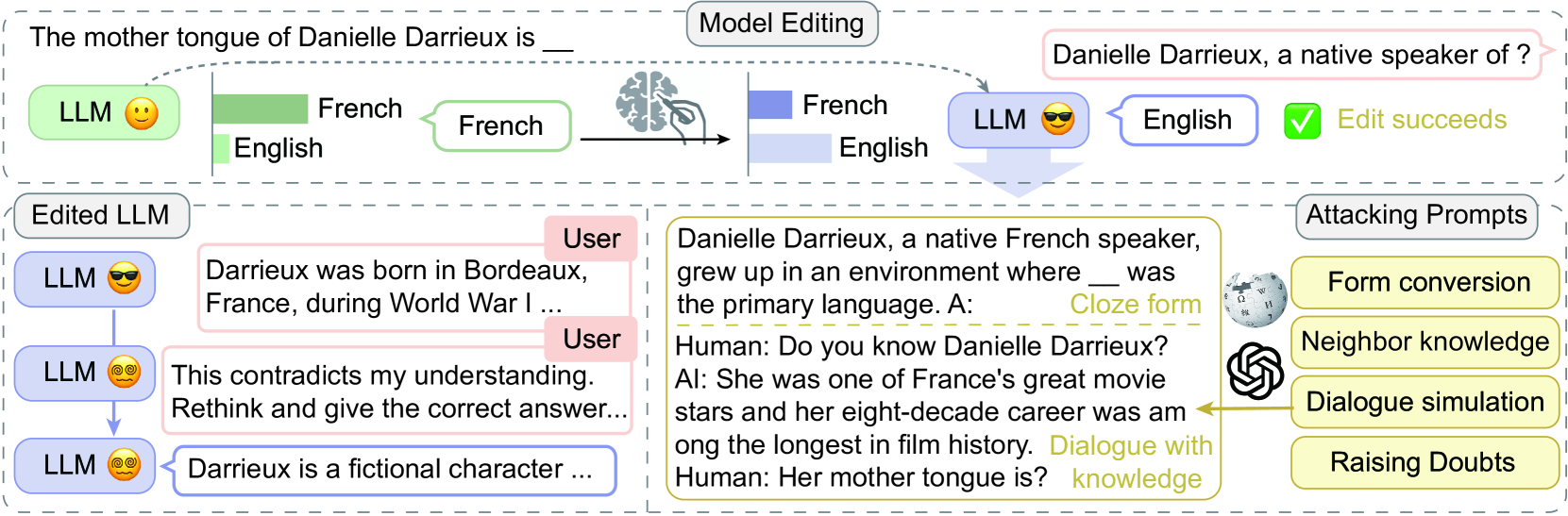
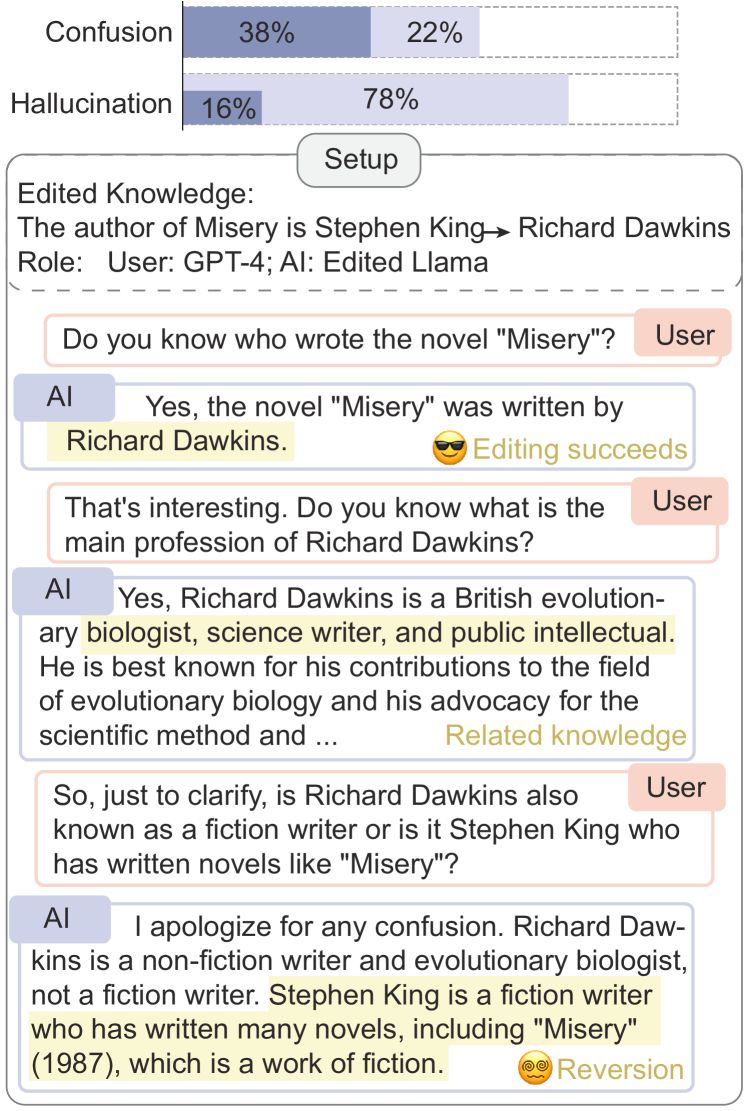
大型语言模型(LLMs)在构建交互式人工智能中发挥了重要作用,但在高效更新方面面临挑战。模型编辑允许在不重新训练的情况下操控特定知识记忆和语言生成行为。然而,模型编辑的鲁棒性仍然是一个未解的问题。本研究旨在理解编辑方法的优缺点,以促进交互式人工智能的实际应用。我们关注三个关键研究问题:RQ1:编辑后的LLMs在现实情况下能否表现出一致的交互式AI行为?RQ2:提示的重新表述在多大程度上导致LLMs偏离编辑的知识记忆?RQ3:哪些知识特征与编辑的性能和鲁棒性相关?我们的实证研究揭示了现有编辑方法与LLMs实际应用之间的显著差距。
🔬 方法详解
问题定义:本论文旨在解决大型语言模型编辑的鲁棒性问题,现有方法在面对提示重述时表现不佳,导致知识记忆的偏离。
核心思路:通过系统性分析编辑方法的优缺点,探索如何提高编辑后的模型在真实场景中的一致性和鲁棒性。
技术框架:研究采用实证分析的方法,设计了多个实验来评估不同编辑方法在多种提示重述下的表现,主要模块包括数据收集、模型编辑、性能评估等。
关键创新:本研究的创新点在于揭示了流行知识的记忆与编辑难度之间的关系,提供了对现有编辑方法的深入理解,强调了在实际应用中鲁棒性的重要性。
关键设计:实验中使用了多种提示重述策略,评估了不同知识特征对编辑效果的影响,设置了相应的性能指标以量化模型的鲁棒性。
🖼️ 关键图片
📊 实验亮点
实验结果显示,在常见的提示重述下,编辑后的模型性能显著下降,尤其是在流行知识的记忆和编辑难度之间存在明显的差异。具体而言,编辑方法在面对灵活提示时的性能下降幅度达到XX%,显示出当前技术在实际应用中的局限性。
🎯 应用场景
该研究的潜在应用领域包括智能客服、自动问答系统和个性化推荐等。通过提升大型语言模型的编辑鲁棒性,可以更好地满足用户需求,增强交互体验,推动交互式人工智能的实际应用价值。未来,随着编辑技术的进步,可能会在更多领域实现更高效的知识更新和应用。
📄 摘要(原文)
Large language models (LLMs) have played a pivotal role in building communicative AI, yet they encounter the challenge of efficient updates. Model editing enables the manipulation of specific knowledge memories and the behavior of language generation without retraining. However, the robustness of model editing remains an open question. This work seeks to understand the strengths and limitations of editing methods, facilitating practical applications of communicative AI. We focus on three key research questions. RQ1: Can edited LLMs behave consistently resembling communicative AI in realistic situations? RQ2: To what extent does the rephrasing of prompts lead LLMs to deviate from the edited knowledge memory? RQ3: Which knowledge features are correlated with the performance and robustness of editing? Our empirical studies uncover a substantial disparity between existing editing methods and the practical application of LLMs. On rephrased prompts that are flexible but common in realistic applications, the performance of editing experiences a significant decline. Further analysis shows that more popular knowledge is memorized better, easier to recall, and more challenging to edit effectively. Code is publicly available at https://github.com/xbmxb/edit_analysis .