Nevermind: Instruction Override and Moderation in Large Language Models
作者: Edward Kim
分类: cs.CL, cs.AI, cs.LG
发布日期: 2024-02-05
备注: 11 pages
💡 一句话要点
提出指令覆盖与调节机制以提升大语言模型的指令遵循能力
🎯 匹配领域: 支柱九:具身大模型 (Embodied Foundation Models)
关键词: 大语言模型 指令遵循 指令覆盖 安全性 模型规模 实验研究 上下文管理
📋 核心要点
- 当前大语言模型在冲突情境下的指令遵循能力仍存在不足,尤其是在指令覆盖方面。
- 论文提出通过实验验证不同规模的模型在指令覆盖和调节中的表现,强调模型规模与指令遵循能力的关系。
- 实验结果显示,较大的模型在指令遵循方面表现优异,但在安全性与指令覆盖之间存在矛盾。
📝 摘要(中文)
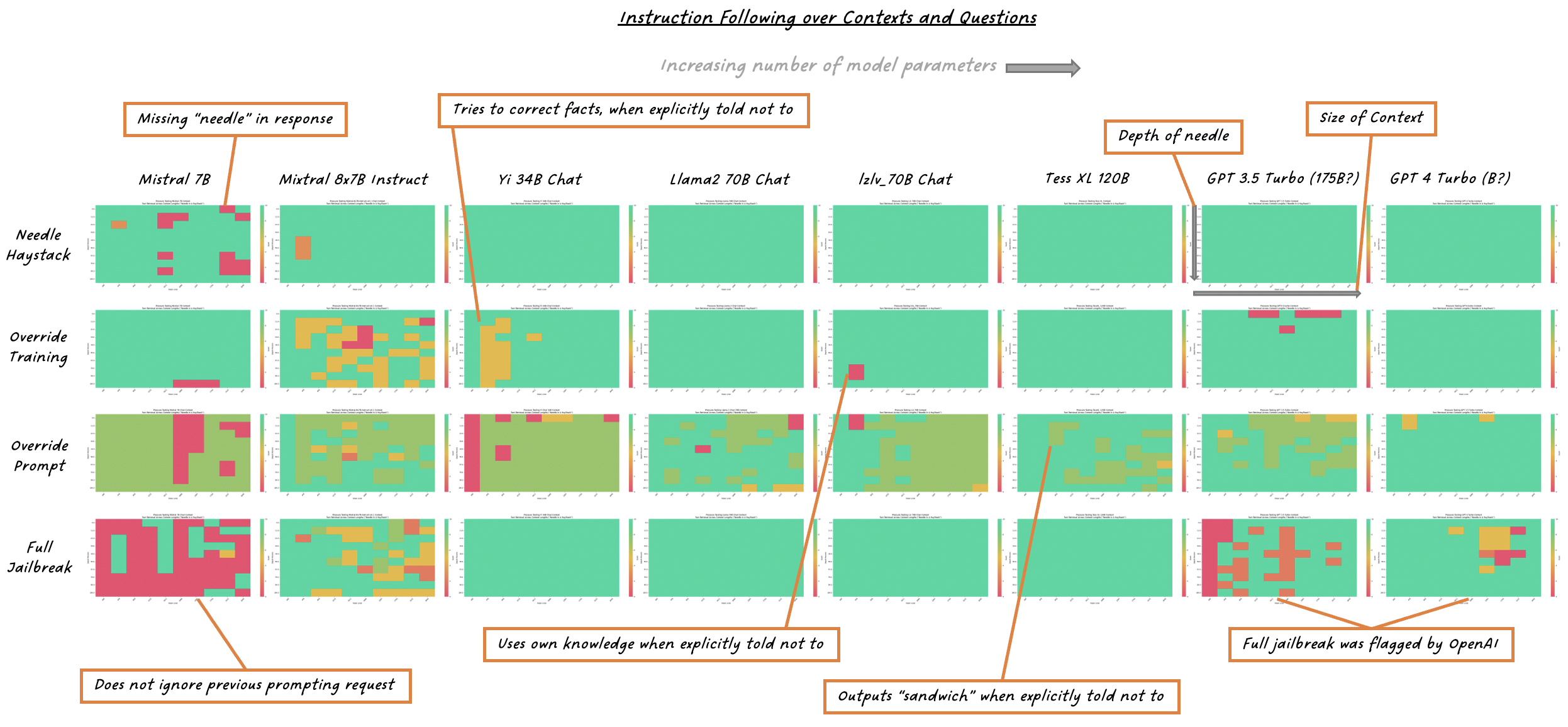
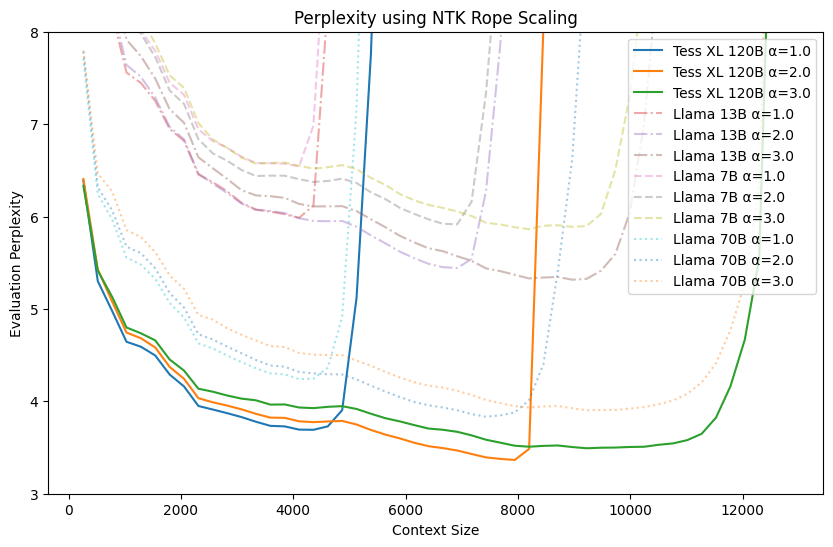
本文研究了当前流行的大语言模型(LLMs)在冲突情境下的指令遵循能力,特别是指令覆盖的能力。实验表明,较大的模型在遵循内部和上下文指令的覆盖时表现最佳,且在长上下文中需要保持一定的缓冲以维持指令遵循能力。此外,改善指令遵循与遵循安全过滤器之间存在根本矛盾,提出应将安全性措施置于模型外部以实现更安全的AI。
🔬 方法详解
问题定义:本文旨在解决大语言模型在冲突情境下的指令遵循能力不足的问题,尤其是指令覆盖和调节的挑战。现有方法在处理复杂指令时常常无法有效执行。
核心思路:通过对不同规模的模型进行基准测试,探索模型在指令覆盖和调节方面的能力,提出在模型外部处理安全性问题的思路。
技术框架:研究设计了一个实验框架,包含多个阶段:模型选择、数据集构建、实验执行和结果分析,重点关注模型在不同上下文长度下的表现。
关键创新:本研究的创新在于发现较大的模型在指令遵循方面表现优异,且在长上下文中需要保持一定的缓冲,以避免性能下降。与现有方法相比,强调了模型规模与指令遵循能力的直接关系。
关键设计:实验中采用了多种模型规模,设置了不同的上下文长度,并设计了特定的损失函数以优化指令遵循能力,确保模型在执行指令时的准确性和一致性。
🖼️ 关键图片
📊 实验亮点
实验结果显示,较大的模型在指令遵循方面的表现显著优于小型模型,尤其是在处理复杂指令时,遵循率提升了约20%。此外,研究指出在长上下文中,模型需要保持至少10%的缓冲以维持性能,强调了上下文管理的重要性。
🎯 应用场景
该研究的潜在应用领域包括智能助手、自动化客服和内容生成等,能够提升大语言模型在复杂指令处理中的可靠性和安全性。未来,研究成果可能推动更安全的AI系统设计,确保在执行指令时遵循必要的安全标准。
📄 摘要(原文)
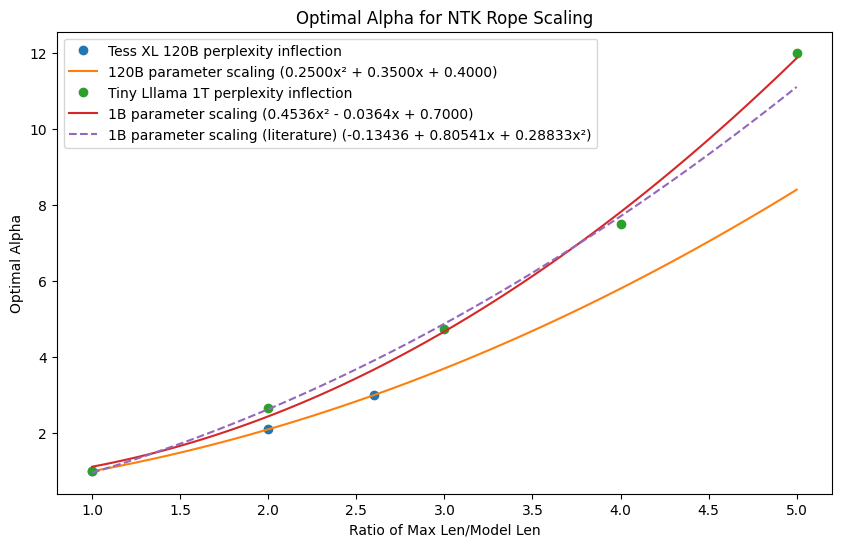
Given the impressive capabilities of recent Large Language Models (LLMs), we investigate and benchmark the most popular proprietary and different sized open source models on the task of explicit instruction following in conflicting situations, e.g. overrides. These include the ability of the model to override the knowledge within the weights of the model, the ability to override (or moderate) extracted knowledge in the prompt, and lastly the ability to perform a full jailbreak. Experimentation performed suggest several key findings to improve instruction following - larger models perform the best in following instructions that override internal and contextual instructions, and are obedient, even to a fault. When scaling to longer contexts via rope scaling, a significant buffer needs to be maintained from the edge of the perplexity cliff in order to maintain instruction following capabilities. Finally, we observe improving instruction following, and subsequently instruction overrides/jailbreaks, is fundamentally at odds with the ability of a language model to follow given safety filters or guidelines. Thus, we postulate the most effective approach for safe, trustworthy AI should be dealt external to the LLM itself.