Global-Liar: Factuality of LLMs over Time and Geographic Regions
作者: Shujaat Mirza, Bruno Coelho, Yuyuan Cui, Christina Pöpper, Damon McCoy
分类: cs.CL, cs.AI, cs.IR
发布日期: 2024-01-31
备注: 24 pages, 12 figures, 9 tables
💡 一句话要点
提出Global-Liar数据集以评估LLMs的事实性与偏见问题
🎯 匹配领域: 支柱九:具身大模型 (Embodied Foundation Models)
关键词: 大型语言模型 事实性评估 信息公平性 数据集构建 模型偏见 地理多样性 AI技术伦理
📋 核心要点
- 现有的LLM在信息检索中存在事实性和公平性不足的问题,尤其是在应对虚假信息时。
- 论文提出了'Global-Liar'数据集,旨在通过地理和时间的平衡性来评估LLM的偏见和事实准确性。
- 研究结果显示,GPT-4在不同时间点的表现波动,且对全球南方的偏见明显,强调了模型训练的多样性需求。
📝 摘要(中文)
随着对AI驱动解决方案,尤其是大型语言模型(LLMs)如GPT系列的依赖日益增加,确保其事实性和公平性显得尤为重要。本研究评估了广泛采用的GPT模型(包括GPT-3.5和GPT-4)的事实准确性、稳定性和偏见,旨在提升AI信息传播的可靠性与完整性。我们引入了'Global-Liar'数据集,该数据集在地理和时间上具有独特的平衡性,有助于更细致地评估LLM的偏见。研究发现,GPT模型的新版本并不总是表现更佳,且存在偏向全球北方的倾向,可能加剧信息不平等。我们还探讨了不同LLM配置设置对模型事实性的影响,强调了文化多样性和地理包容性在模型训练与评估中的重要性。
🔬 方法详解
问题定义:本研究旨在解决大型语言模型(LLMs)在事实性和偏见方面的不足,尤其是在全球南方地区的信息准确性较低的问题。现有方法未能有效评估模型在不同地理和时间背景下的表现。
核心思路:通过引入'Global-Liar'数据集,论文提供了一种新的评估框架,能够更全面地分析LLMs的偏见和事实性,特别是关注不同地区的表现差异。
技术框架:研究首先构建了一个平衡的评估数据集,然后对GPT-3.5和GPT-4模型进行多次实验,分析其在不同配置下的表现,包括二元决策强制、模型重跑和温度设置等。
关键创新:最重要的创新在于引入了一个具有地理和时间平衡的数据集,使得对LLMs的评估更加全面和细致,尤其是在揭示全球南方的偏见方面。
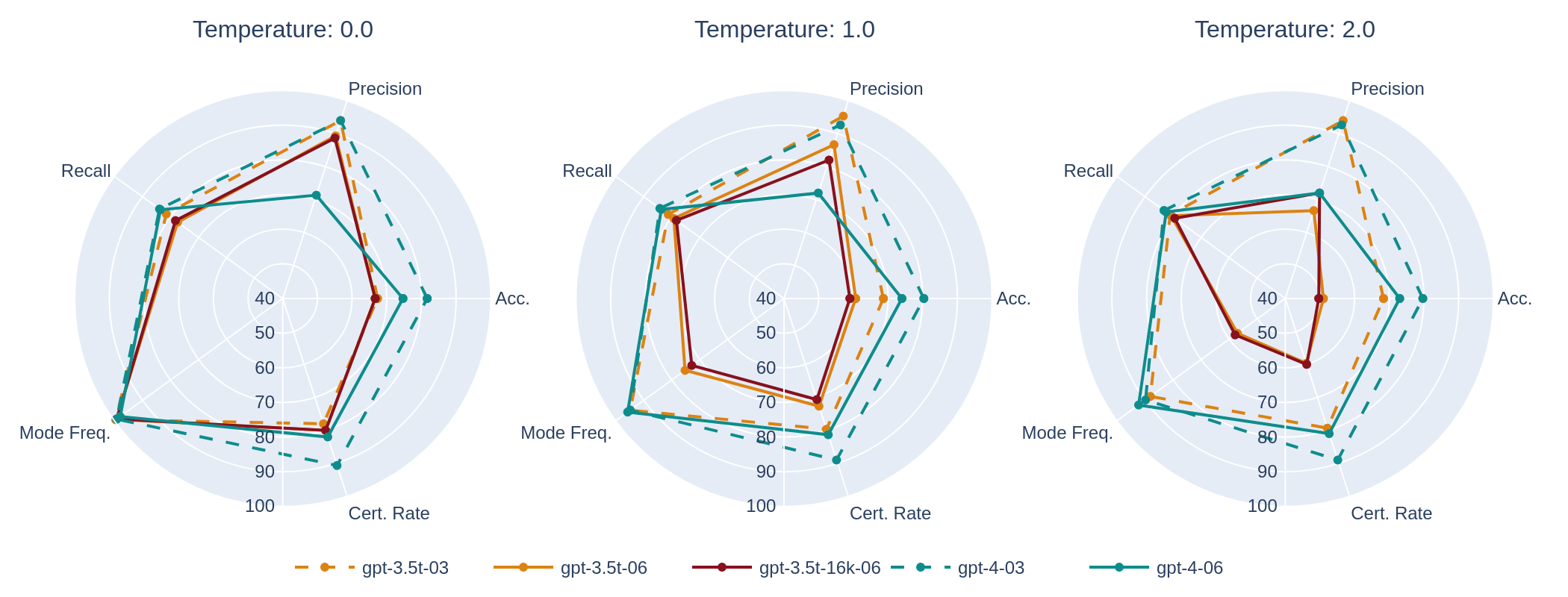
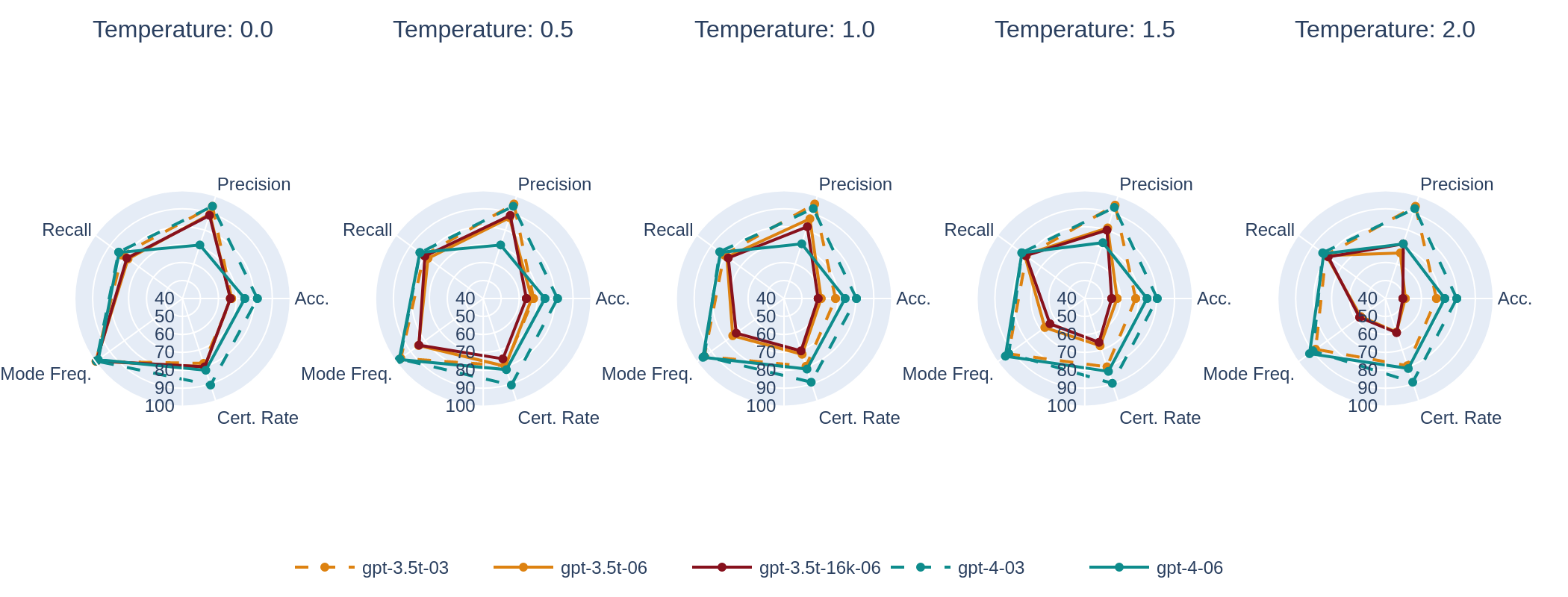
关键设计:研究中采用了多种配置设置,如允许'不明确'选项的模型表现优于仅限于二元选择的模型。此外,低温设置下的单次推理与多数投票的可靠性相当,这些设计为模型的事实性提供了新的视角。
🖼️ 关键图片
📊 实验亮点
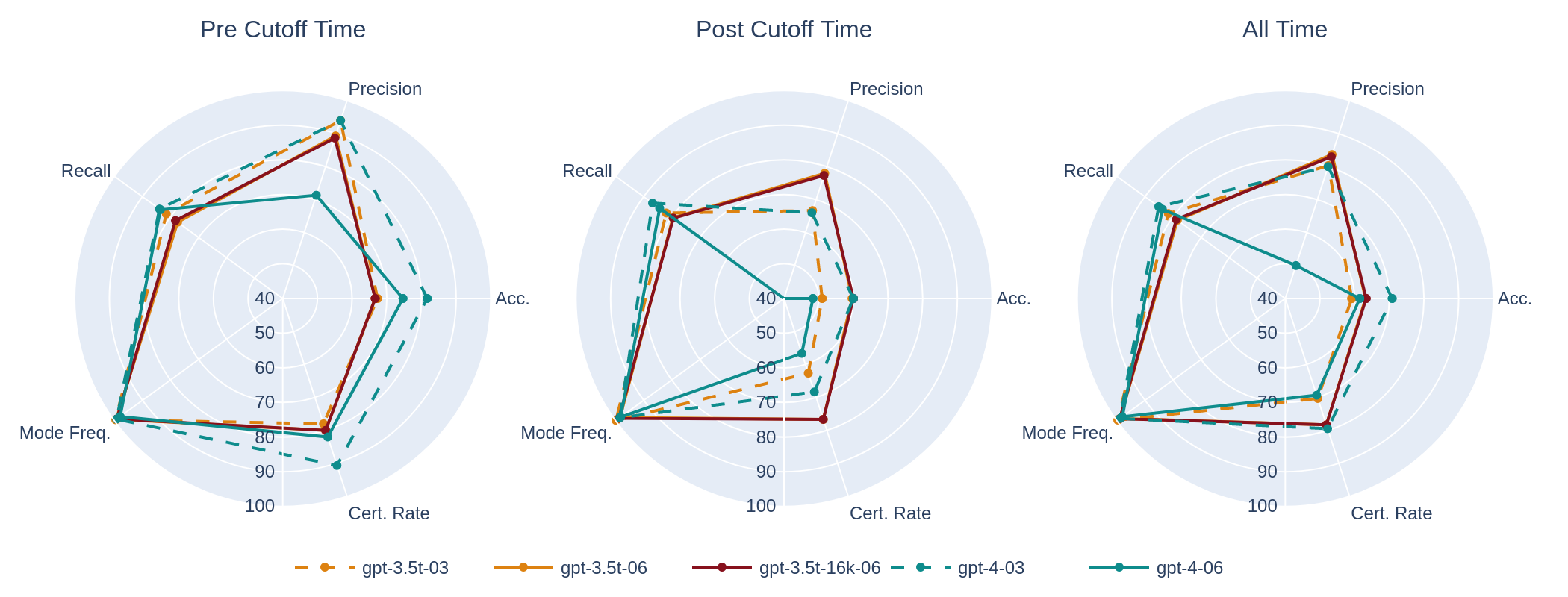
实验结果显示,GPT-4在2023年3月的版本相比于6月版本具有更高的事实准确性,且在不同地区的表现存在显著差异,尤其是全球南方地区的准确性明显低于全球北方。这些发现强调了模型更新对不同地区的影响不均衡。
🎯 应用场景
该研究的潜在应用领域包括新闻媒体、社交网络和教育等,能够帮助开发更公平和准确的信息检索系统。通过提升LLMs的事实性和公平性,能够在全球范围内更好地传播知识,减少信息不平等现象。
📄 摘要(原文)
The increasing reliance on AI-driven solutions, particularly Large Language Models (LLMs) like the GPT series, for information retrieval highlights the critical need for their factuality and fairness, especially amidst the rampant spread of misinformation and disinformation online. Our study evaluates the factual accuracy, stability, and biases in widely adopted GPT models, including GPT-3.5 and GPT-4, contributing to reliability and integrity of AI-mediated information dissemination. We introduce 'Global-Liar,' a dataset uniquely balanced in terms of geographic and temporal representation, facilitating a more nuanced evaluation of LLM biases. Our analysis reveals that newer iterations of GPT models do not always equate to improved performance. Notably, the GPT-4 version from March demonstrates higher factual accuracy than its subsequent June release. Furthermore, a concerning bias is observed, privileging statements from the Global North over the Global South, thus potentially exacerbating existing informational inequities. Regions such as Africa and the Middle East are at a disadvantage, with much lower factual accuracy. The performance fluctuations over time suggest that model updates may not consistently benefit all regions equally. Our study also offers insights into the impact of various LLM configuration settings, such as binary decision forcing, model re-runs and temperature, on model's factuality. Models constrained to binary (true/false) choices exhibit reduced factuality compared to those allowing an 'unclear' option. Single inference at a low temperature setting matches the reliability of majority voting across various configurations. The insights gained highlight the need for culturally diverse and geographically inclusive model training and evaluation. This approach is key to achieving global equity in technology, distributing AI benefits fairly worldwide.