Enhancing Robustness of LLM-Synthetic Text Detectors for Academic Writing: A Comprehensive Analysis
作者: Zhicheng Dou, Yuchen Guo, Ching-Chun Chang, Huy H. Nguyen, Isao Echizen
分类: cs.CL, cs.AI
发布日期: 2024-01-16
💡 一句话要点
提出Synthetic-Siamese以解决LLM文本检测鲁棒性不足问题
🎯 匹配领域: 支柱九:具身大模型 (Embodied Foundation Models)
关键词: 大型语言模型 文本检测 学术写作 鲁棒性 Siamese网络 深度学习 内容审核
📋 核心要点
- 现有的LLM文本检测方法大多专注于提高特定数据集上的准确性,缺乏在实际应用中的鲁棒性。
- 本文提出了一种新的检测器Synthetic-Siamese,利用一对文本进行比较,从而增强检测的可靠性。
- 实验结果表明,Synthetic-Siamese在真实学术写作场景中相比于现有检测器性能提升了67%至95%。
📝 摘要(中文)
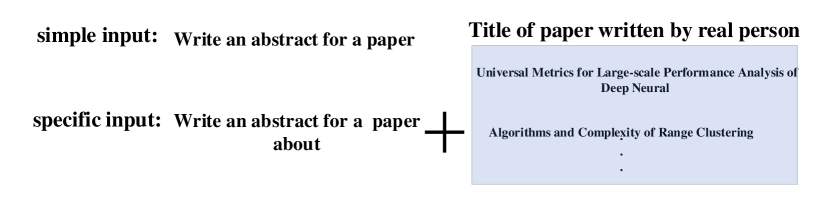
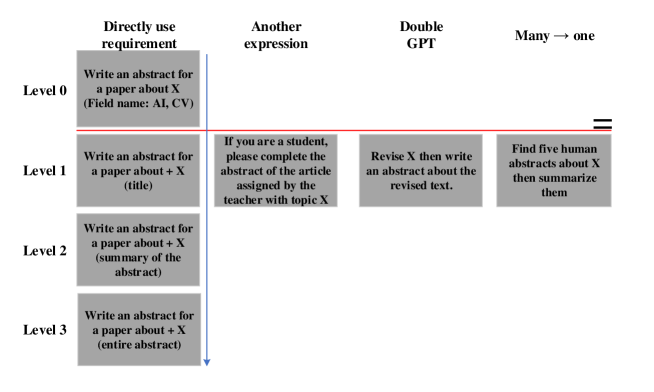
大型语言模型(LLMs)的出现,如ChatGPT使用的GPT-4,深刻影响了学术界和更广泛的社区。尽管这些模型在工作和学习方法上带来了诸多优势,但也引发了对其潜在负面后果的关注,尤其是在生成学术报告或论文时几乎没有人类贡献。因此,研究者们致力于开发检测器以应对LLMs的误用。然而,现有方法大多侧重于在有限数据集上提高准确性,忽视了可泛化性这一关键方面。本文分析了提示对LLMs生成文本的影响,并指出当前最先进的GPT检测器的鲁棒性不足。为解决学术写作中LLMs误用的问题,我们提出了一种基于参考的Siamese检测器Synthetic-Siamese,能够有效提升现有检测器的鲁棒性,并在现实学术写作场景中将基线性能提高约67%至95%。
🔬 方法详解
问题定义:本文旨在解决现有LLM文本检测器在实际应用中鲁棒性不足的问题。当前方法往往在特定数据集上表现良好,但在多样化的真实场景中效果不佳。
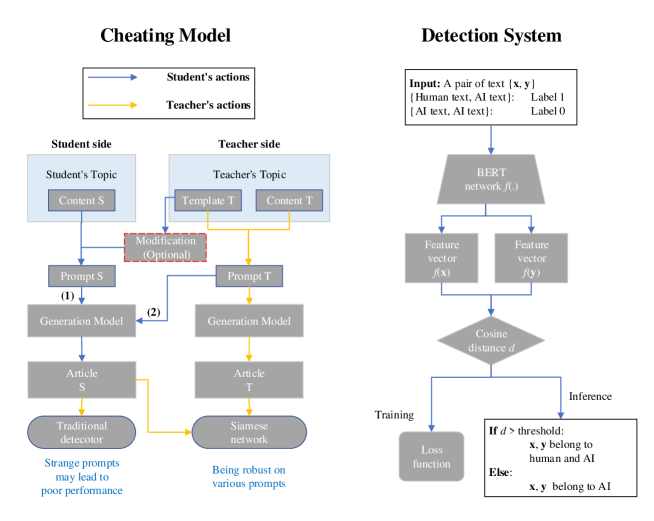
核心思路:Synthetic-Siamese检测器通过比较一对文本(查询文本与参考文本)来提高检测的准确性和鲁棒性。这种设计旨在克服传统检测器的局限性,增强其在不同文本生成场景下的适应能力。
技术框架:该方法的整体架构包括文本对的输入模块、特征提取模块和分类模块。首先,输入一对文本,然后通过深度学习模型提取特征,最后进行分类以判断文本是否为LLM生成。
关键创新:Synthetic-Siamese的核心创新在于其参考文本的使用,这一设计使得检测器能够更好地理解文本之间的相似性和差异性,从而提高检测的准确性。与现有方法相比,它在处理多样化文本时表现出更强的鲁棒性。
关键设计:在模型设计中,采用了特定的损失函数以优化文本对的相似度计算,同时在网络结构上引入了Siamese网络架构,以便更有效地处理文本对的特征提取与比较。
🖼️ 关键图片
📊 实验亮点
实验结果显示,Synthetic-Siamese在真实学术写作场景中的性能提升显著,相比于OpenAI检测器和DetectGPT,检测准确率提高了67%至95%。这一成果表明新方法在处理多样化文本生成的鲁棒性方面具有明显优势。
🎯 应用场景
该研究的潜在应用领域包括学术写作、教育评估和内容审核等。通过提高LLM文本检测的鲁棒性,Synthetic-Siamese能够有效防止学术不端行为,确保学术诚信。此外,该技术还可以扩展到其他领域,如新闻报道和社交媒体内容的真实性验证,具有重要的实际价值和未来影响。
📄 摘要(原文)
The emergence of large language models (LLMs), such as Generative Pre-trained Transformer 4 (GPT-4) used by ChatGPT, has profoundly impacted the academic and broader community. While these models offer numerous advantages in terms of revolutionizing work and study methods, they have also garnered significant attention due to their potential negative consequences. One example is generating academic reports or papers with little to no human contribution. Consequently, researchers have focused on developing detectors to address the misuse of LLMs. However, most existing methods prioritize achieving higher accuracy on restricted datasets, neglecting the crucial aspect of generalizability. This limitation hinders their practical application in real-life scenarios where reliability is paramount. In this paper, we present a comprehensive analysis of the impact of prompts on the text generated by LLMs and highlight the potential lack of robustness in one of the current state-of-the-art GPT detectors. To mitigate these issues concerning the misuse of LLMs in academic writing, we propose a reference-based Siamese detector named Synthetic-Siamese which takes a pair of texts, one as the inquiry and the other as the reference. Our method effectively addresses the lack of robustness of previous detectors (OpenAI detector and DetectGPT) and significantly improves the baseline performances in realistic academic writing scenarios by approximately 67% to 95%.