Misconfidence-based Demonstration Selection for LLM In-Context Learning
作者: Shangqing Xu, Chao Zhang
分类: cs.CL
发布日期: 2024-01-12
💡 一句话要点
提出基于误置信度的示例选择方法以优化LLM的上下文学习
🎯 匹配领域: 支柱九:具身大模型 (Embodied Foundation Models)
关键词: 大规模语言模型 上下文学习 示例选择 误置信度 跨任务泛化 自然语言处理 智能对话系统
📋 核心要点
- 现有方法在示例选择上依赖外部监督或频繁交互,导致高成本和效率低下。
- 提出的上下文反思(ICR)方法通过分析候选示例,选择最具挑战性的示例来优化学习过程。
- 在五个数据集上的实验表明,ICR相比现有方法平均提升了4%的性能,展现出良好的跨任务泛化能力。
📝 摘要(中文)
大规模语言模型(LLMs)的上下文学习在快速适应各种任务方面表现出色,但成功依赖于示例的精确选择,这在实践中仍然是一个障碍。现有方法通常依赖难以获取的外部监督或需要频繁与LLMs交互,导致高成本。为此,本文提出了一种新方法——上下文反思(ICR),旨在克服这些挑战。ICR通过分析候选示例,识别出最可能挑战LLM当前理解的示例,从而优化示例集。通过在五个多样化数据集上的综合评估,ICR相比现有方法平均提升了4%的性能,并展示了显著的跨任务泛化能力。
🔬 方法详解
问题定义:本文旨在解决大规模语言模型在上下文学习中示例选择的困难,现有方法往往依赖外部监督或频繁交互,导致高成本和效率低下。
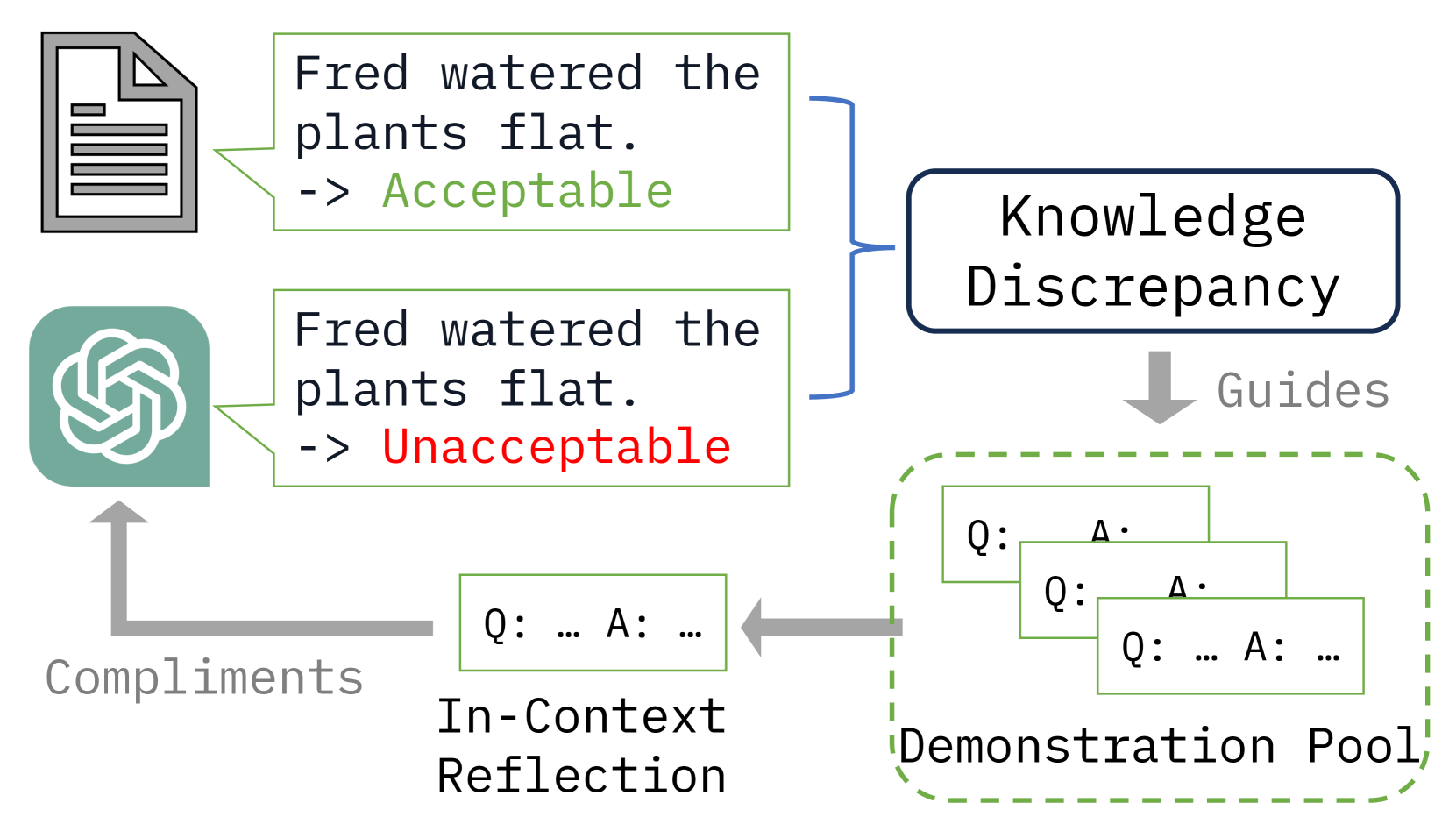
核心思路:提出的上下文反思(ICR)方法通过分析候选示例,识别出最具挑战性的示例,以减少LLM输出与实际输入输出映射之间的差异,从而优化示例选择过程。
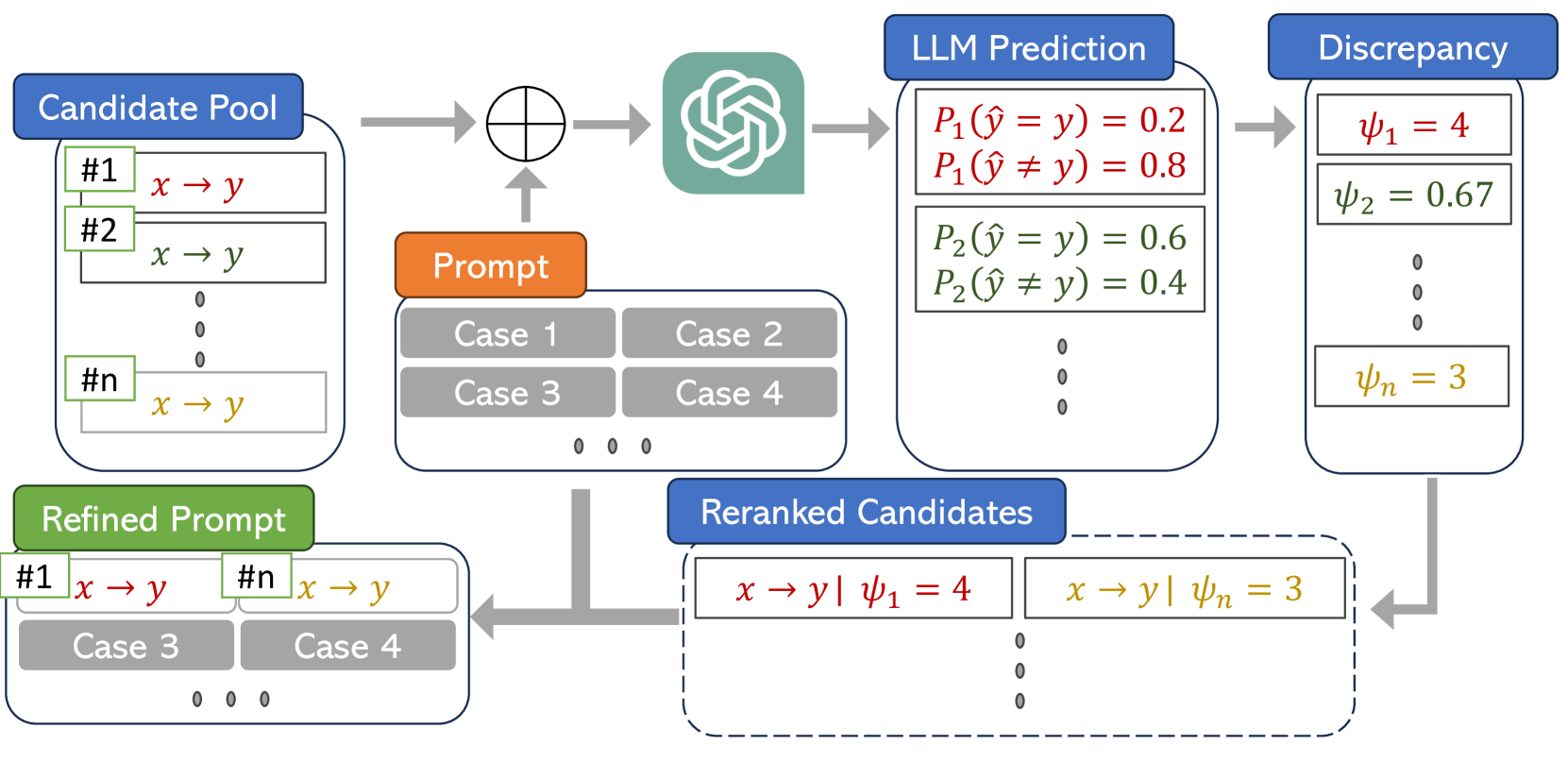
技术框架:ICR的整体流程包括初始随机示例集的生成、候选示例的分析和最具挑战性示例的选择。该方法通过迭代优化示例集,逐步提升模型的学习效果。
关键创新:ICR引入了“误置信度”这一新指标,用于衡量示例对LLM理解的挑战程度,这是与现有方法的本质区别所在。
关键设计:在参数设置上,ICR通过迭代过程不断更新示例集,选择那些能够最大程度挑战模型理解的示例,确保示例的有效性和信息量。具体的损失函数和网络结构细节在论文中进行了详细描述。
🖼️ 关键图片
📊 实验亮点
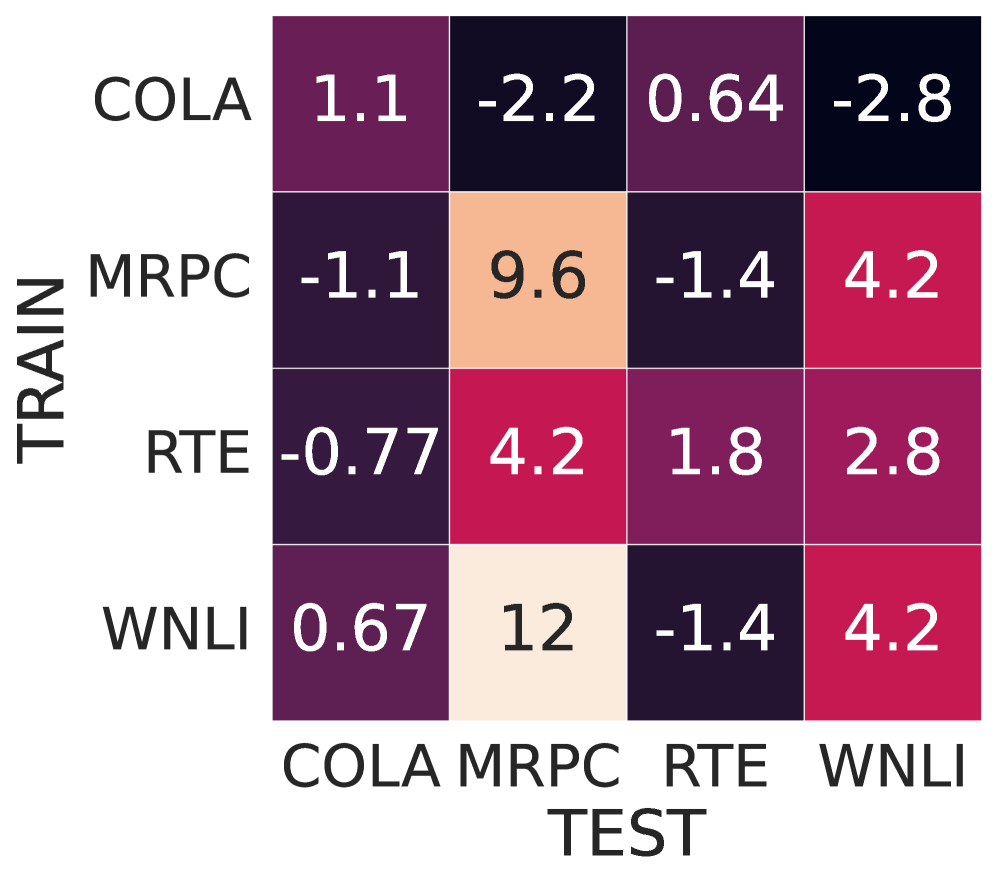
在五个多样化数据集上的实验结果显示,ICR方法相比现有技术平均提升了4%的性能,且在跨任务泛化能力方面表现优异,证明了其有效性和实用性。
🎯 应用场景
该研究的潜在应用领域包括自然语言处理、智能对话系统和自动化内容生成等。通过优化示例选择,ICR能够提高LLM在多种任务中的适应性和效率,具有重要的实际价值和未来影响。
📄 摘要(原文)
In-context learning with large language models (LLMs) excels at adapting to various tasks rapidly. However, its success hinges on carefully selecting demonstrations, which remains an obstacle in practice. Current approaches to this problem either rely on hard-to-acquire external supervision or require frequent interactions with LLMs, resulting in high costs. We propose a new method called In-Context Reflection (ICR) to overcome these challenges. ICR strategically selects demonstrations to reduce the discrepancy between the LLM's outputs and the actual input-output mappings. Specifically, ICR starts with a random set of initial demonstrations, then iteratively refines it. In each step, it analyzes a pool of candidate examples and identifies the ones most likely to challenge the LLM's current understanding, measured by a new metric called misconfidence. These most confusing examples are then selected to replace the less informative demonstrations in the current set. Our comprehensive evaluation across five diverse datasets encompassing 13 subtasks shows the efficacy of ICR. Compared to existing methods, ICR achieves an average performance boost of 4%, while demonstrating remarkable cross-task generalization capabilities.