Language Detection for Transliterated Content
作者: Selva Kumar S, Afifah Khan Mohammed Ajmal Khan, Chirag Manjeshwar, Imadh Ajaz Banday
分类: cs.CL
发布日期: 2024-01-09
备注: 4 Pages, 6 diagrams
💡 一句话要点
提出基于BERT的转写内容语言检测方法以解决语言识别挑战
🎯 匹配领域: 支柱九:具身大模型 (Embodied Foundation Models)
关键词: 语言检测 转写技术 BERT模型 多语言处理 内容审核 数据集构建 自然语言处理
📋 核心要点
- 转写文本的语言检测面临挑战,现有方法难以准确识别源语言,尤其是在多语言环境中。
- 本文提出利用BERT模型和Google Translate API相结合的方法,构建了专门的数据集以提高语言分类的准确性。
- 实验结果显示,模型在转写文本的语言识别上取得了99%的验证准确率,显著提升了识别能力。
📝 摘要(中文)
在当今数字时代,互联网打破了地理和语言障碍,促进了全球交流。转写技术的广泛应用使得使用英语字母表达本土语言成为一种趋势,这给语言技术带来了挑战。本文通过构建包含印地语和俄语转写为英语的短信数据集,利用BERT进行语言分类,并结合Google Translate API进行转写转换,提出了创新的方法来识别和转换转写文本。研究表明,所提出的模型在转写文本的语言识别上表现出色,验证准确率达到99%。该研究不仅为语言识别和转写能力做出了贡献,还在内容审核和全球社区对话中具有潜在应用价值。
🔬 方法详解
问题定义:本文旨在解决转写文本的语言检测问题,现有方法在处理转写内容时准确性不足,难以有效识别源语言。
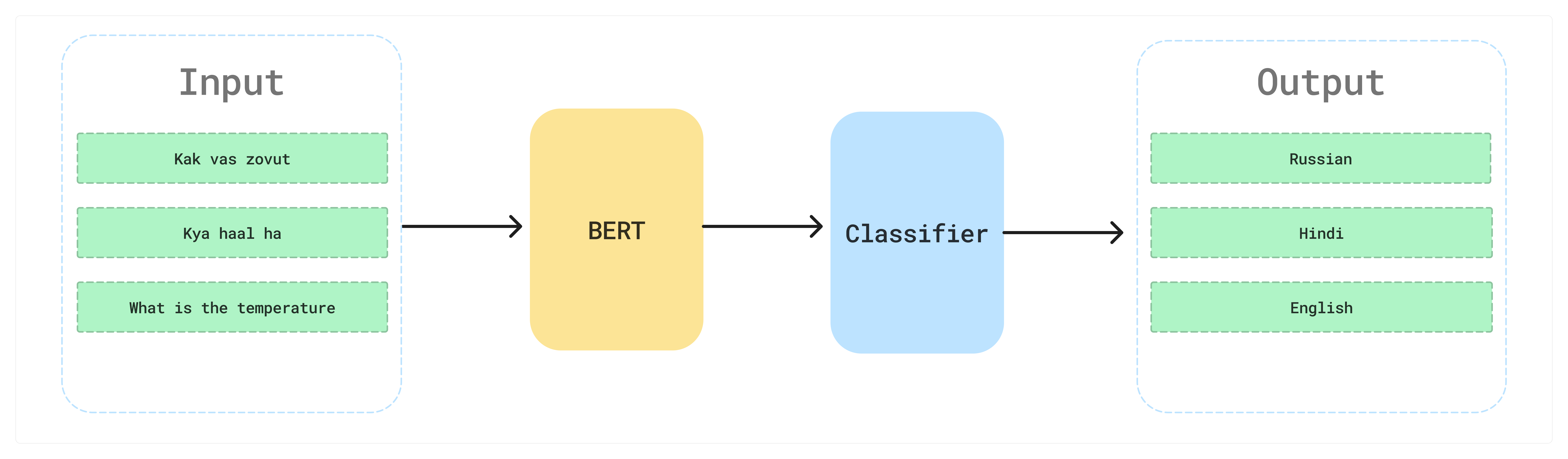
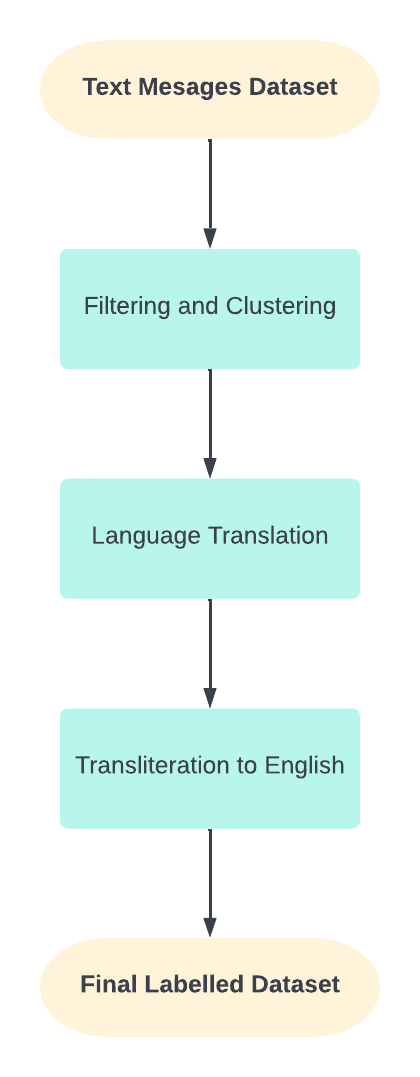
核心思路:通过构建包含印地语和俄语转写为英语的短信数据集,利用BERT模型进行语言分类,结合Google Translate API进行转写转换,以提高语言识别的准确性。
技术框架:整体架构包括数据集构建、数据预处理、模型训练和评估四个主要阶段。首先,收集并转写短信数据,然后使用BERT进行特征提取,最后进行语言分类。
关键创新:本研究的创新点在于结合了BERT模型与转写技术,针对转写文本的特性进行了优化,显著提高了语言识别的准确性。
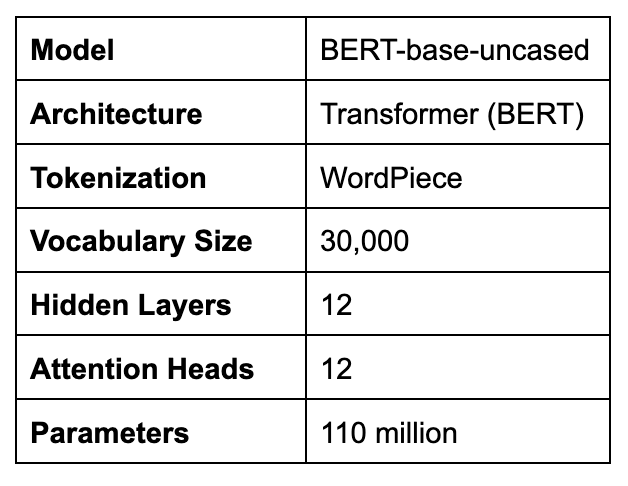
关键设计:在模型设计中,采用了适合转写文本的损失函数,并对BERT的超参数进行了调优,以确保模型在特定任务上的最佳表现。通过对数据集的精细化处理,提升了模型的泛化能力。
🖼️ 关键图片
📊 实验亮点
实验结果表明,所提出的模型在转写文本的语言识别上达到了99%的验证准确率,显著优于现有的基线方法,展示了其在处理复杂语言环境中的强大能力。这一成果为语言技术的发展提供了新的思路和方向。
🎯 应用场景
该研究的潜在应用领域包括内容审核、社交媒体分析和多语言支持的聊天机器人等。通过提高转写文本的语言识别能力,可以促进全球用户之间的有效沟通,推动文化交流与理解。未来,该技术有望在多语言环境下的自动翻译和信息检索中发挥重要作用。
📄 摘要(原文)
In the contemporary digital era, the Internet functions as an unparalleled catalyst, dismantling geographical and linguistic barriers particularly evident in texting. This evolution facilitates global communication, transcending physical distances and fostering dynamic cultural exchange. A notable trend is the widespread use of transliteration, where the English alphabet is employed to convey messages in native languages, posing a unique challenge for language technology in accurately detecting the source language. This paper addresses this challenge through a dataset of phone text messages in Hindi and Russian transliterated into English utilizing BERT for language classification and Google Translate API for transliteration conversion. The research pioneers innovative approaches to identify and convert transliterated text, navigating challenges in the diverse linguistic landscape of digital communication. Emphasizing the pivotal role of comprehensive datasets for training Large Language Models LLMs like BERT, our model showcases exceptional proficiency in accurately identifying and classifying languages from transliterated text. With a validation accuracy of 99% our models robust performance underscores its reliability. The comprehensive exploration of transliteration dynamics supported by innovative approaches and cutting edge technologies like BERT, positions our research at the forefront of addressing unique challenges in the linguistic landscape of digital communication. Beyond contributing to language identification and transliteration capabilities this work holds promise for applications in content moderation, analytics and fostering a globally connected community engaged in meaningful dialogue.