Bit Cipher -- A Simple yet Powerful Word Representation System that Integrates Efficiently with Language Models
作者: Haoran Zhao, Jake Ryland Williams
分类: cs.CL
发布日期: 2023-11-18
💡 一句话要点
提出Bit-cipher以提升词表示系统的效率与解释性
🎯 匹配领域: 支柱九:具身大模型 (Embodied Foundation Models)
关键词: 词嵌入 自然语言处理 上下文表示 高效训练 模型集成 机器学习
📋 核心要点
- 现有的词嵌入方法如word2vec和GloVe在计算效率和上下文理解上存在一定的局限性,尤其是在大规模模型训练中。
- 论文提出的Bit-cipher系统通过消除反向传播,利用上下文信息和高效的降维技术,提供了一种新的词表示方式。
- 实验表明,Bit-cipher在词性标注和命名实体识别等任务中表现优异,并在与主流语言模型的集成中显著提高了训练效率。
📝 摘要(中文)
随着大型语言模型(LLMs)的日益主导,经典的预训练词嵌入仍然因其计算效率和细致的语言解释而保持相关性。本文提出了一种名为Bit-cipher的新型词表示系统,消除了反向传播的需求,同时利用上下文信息和基于单元频率的高效降维技术,提供了强大的可解释性和效率。通过两步训练过程,Bit-cipher算法在不同的聚合模式下生成上下文丰富的词表示。实验结果表明,Bit-cipher在词性标注和命名实体识别任务中与经典嵌入(如word2vec和GloVe)具有竞争力,并在与Roberta、T5和OPT的集成中展示了显著的训练加速效果。
🔬 方法详解
问题定义:本文旨在解决现有词嵌入方法在计算效率和上下文理解方面的不足,尤其是在大规模语言模型训练中的应用挑战。
核心思路:Bit-cipher通过消除反向传播的需求,结合上下文信息和高效的降维技术,提供了一种新的词表示方法,旨在提升效率和可解释性。
技术框架:整体流程分为两步:第一步训练Bit-cipher,第二步在不同的聚合模式(求和或拼接)下生成上下文丰富的词表示。
关键创新:Bit-cipher的主要创新在于其不依赖反向传播的训练方式,利用单元频率进行高效降维,与传统方法如word2vec和GloVe本质上不同。
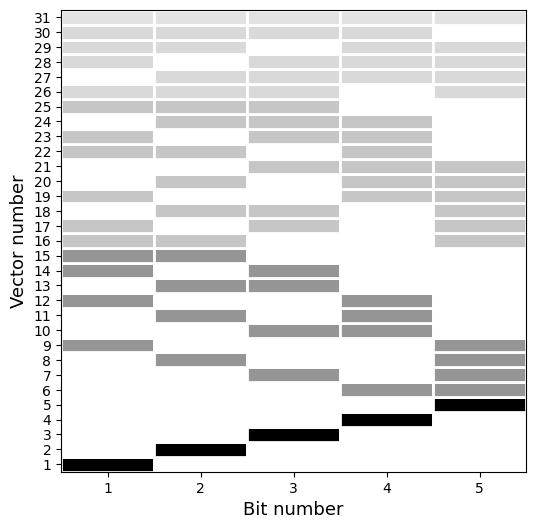
关键设计:关键参数“bits”控制词向量的维度,设计了两种聚合模式以适应不同的上下文需求,确保生成的词表示既高效又具有良好的解释性。
🖼️ 关键图片
📊 实验亮点
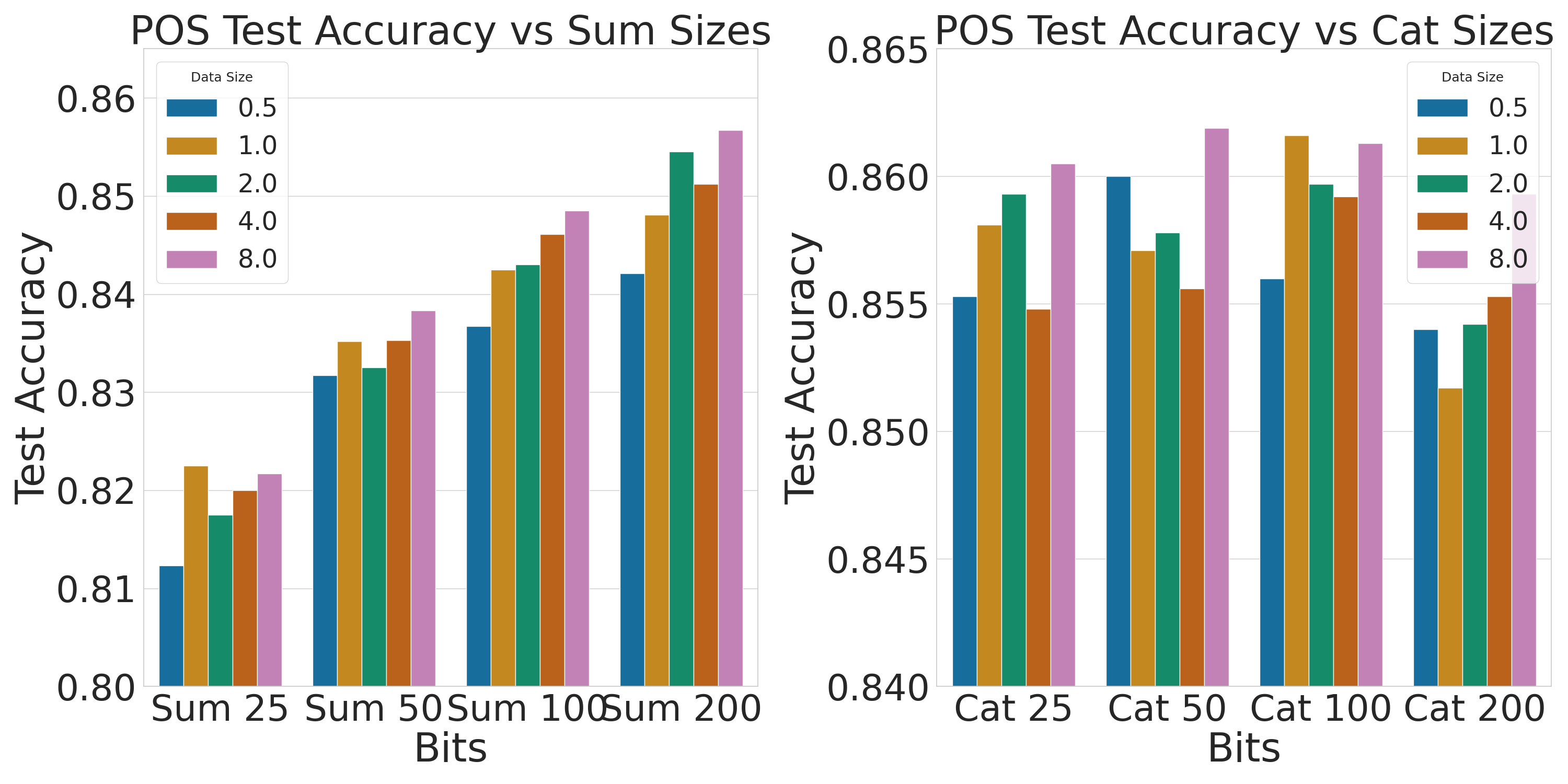
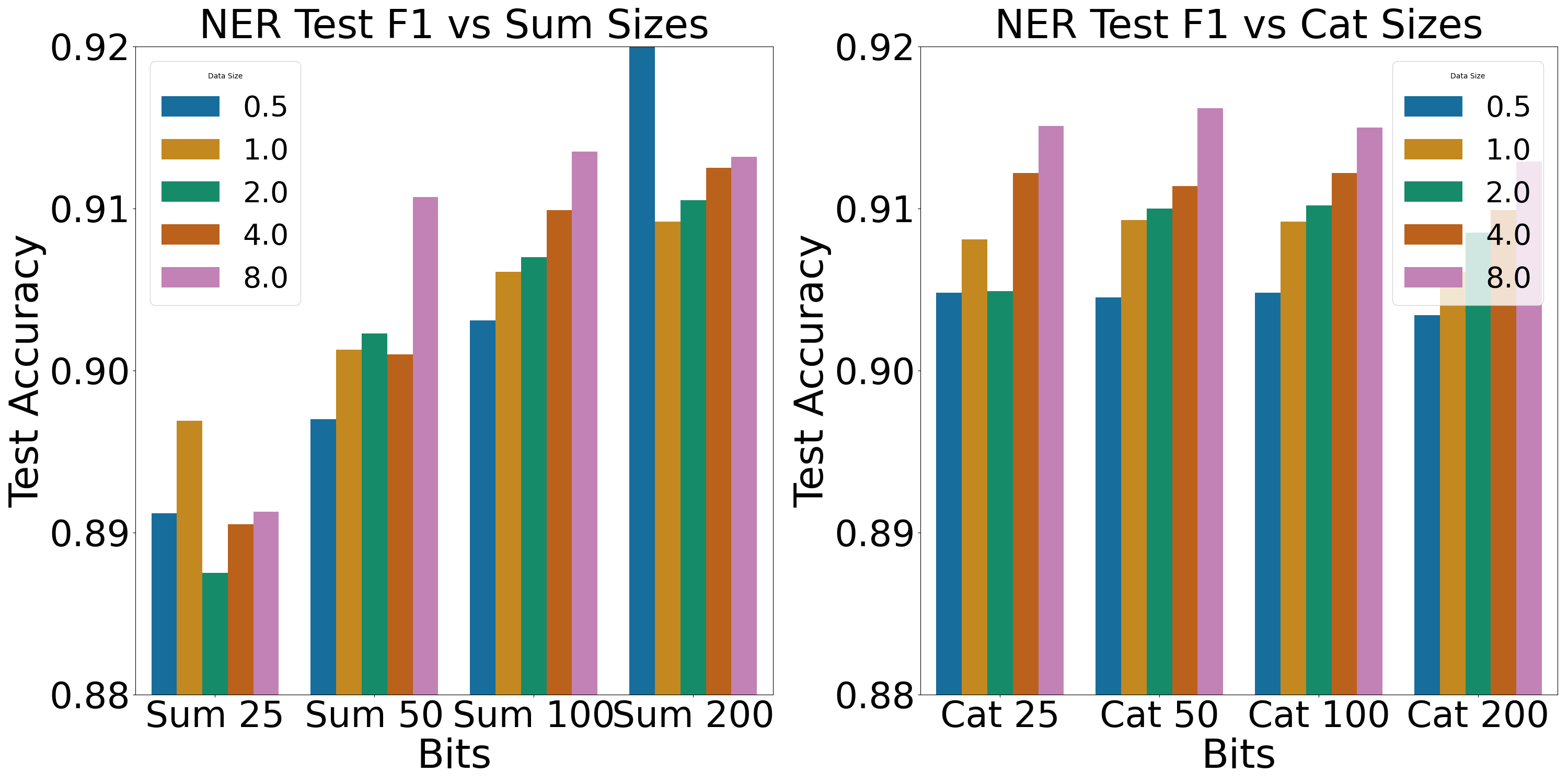
实验结果显示,Bit-cipher在词性标注和命名实体识别任务中与word2vec和GloVe相比具有竞争力,且在与Roberta、T5和OPT的集成中,训练过程显著加速,达到更优的优化效果,提升幅度明显。
🎯 应用场景
Bit-cipher的研究成果在自然语言处理领域具有广泛的应用潜力,尤其是在需要高效词表示的任务中,如文本分类、情感分析和信息检索等。其高效的训练过程和优越的性能表现,能够为大规模语言模型的训练和微调提供支持,推动相关技术的发展。
📄 摘要(原文)
While Large Language Models (LLMs) become ever more dominant, classic pre-trained word embeddings sustain their relevance through computational efficiency and nuanced linguistic interpretation. Drawing from recent studies demonstrating that the convergence of GloVe and word2vec optimizations all tend towards log-co-occurrence matrix variants, we construct a novel word representation system called Bit-cipher that eliminates the need of backpropagation while leveraging contextual information and hyper-efficient dimensionality reduction techniques based on unigram frequency, providing strong interpretability, alongside efficiency. We use the bit-cipher algorithm to train word vectors via a two-step process that critically relies on a hyperparameter -- bits -- that controls the vector dimension. While the first step trains the bit-cipher, the second utilizes it under two different aggregation modes -- summation or concatenation -- to produce contextually rich representations from word co-occurrences. We extend our investigation into bit-cipher's efficacy, performing probing experiments on part-of-speech (POS) tagging and named entity recognition (NER) to assess its competitiveness with classic embeddings like word2vec and GloVe. Additionally, we explore its applicability in LM training and fine-tuning. By replacing embedding layers with cipher embeddings, our experiments illustrate the notable efficiency of cipher in accelerating the training process and attaining better optima compared to conventional training paradigms. Experiments on the integration of bit-cipher embedding layers with Roberta, T5, and OPT, prior to or as a substitute for fine-tuning, showcase a promising enhancement to transfer learning, allowing rapid model convergence while preserving competitive performance.