To be or not to be? an exploration of continuously controllable prompt engineering
作者: Yuhan Sun, Mukai Li, Yixin Cao, Kun Wang, Wenxiao Wang, Xingyu Zeng, Rui Zhao
分类: cs.CL
发布日期: 2023-11-16
💡 一句话要点
提出ControlPE以解决提示工程控制精度不足的问题
🎯 匹配领域: 支柱二:RL算法与架构 (RL & Architecture) 支柱九:具身大模型 (Embodied Foundation Models)
关键词: 提示工程 控制生成 低秩适应 模型微调 自然语言处理
📋 核心要点
- 现有方法在控制提示对大型语言模型的影响时,精确度和灵活性不足,限制了其应用效果。
- ControlPE通过引入LoRA技术,实现对提示效果的连续可控调整,提升了提示工程的灵活性和精确性。
- 实验结果表明,ControlPE在多种提示生成任务中表现优异,验证了其有效性和实用性。
📝 摘要(中文)
随着大型语言模型的广泛应用,参数高效微调和控制生成的方法逐渐受到关注。然而,如何精确控制提示对模型的影响仍然是一个亟待解决的挑战。为此,我们提出了ControlPE(连续可控提示工程),该方法允许对提示效果进行更细致的调整,补充了现有的提示工程,并有效控制连续目标。ControlPE利用低秩适应(LoRA)技术,创造出类似于提示加权的效果,使得对提示影响的微调成为可能。我们的研究通过生成专门的数据集进行提示蒸馏,将这些提示融入LoRA模型,并仔细调整LoRA合并权重,以调节提示的影响。实验结果验证了ControlPE的实用性和有效性,显示其在生成短响应提示、拒绝提示和思维链提示等多种提示控制方面的潜力。
🔬 方法详解
问题定义:本论文旨在解决如何精确控制提示对大型语言模型输出影响的问题。现有方法在这一方面存在灵活性不足和控制精度低的痛点。
核心思路:我们提出的ControlPE方法通过引入低秩适应(LoRA)技术,使得提示的影响可以进行细致的调整,类似于提示加权,从而实现对提示效果的连续控制。
技术框架:ControlPE的整体架构包括三个主要模块:首先,生成专门的数据集用于提示蒸馏;其次,将这些提示融入LoRA模型;最后,调整LoRA合并权重以调节提示的影响。
关键创新:ControlPE的核心创新在于其能够实现对提示效果的动态和适应性控制,这与传统的提示工程方法相比,提供了更高的灵活性和精确度。
关键设计:在设计中,我们特别关注LoRA的合并权重设置,以确保提示的影响能够被精确调节。此外,损失函数的选择也经过仔细设计,以优化提示的蒸馏过程。
🖼️ 关键图片
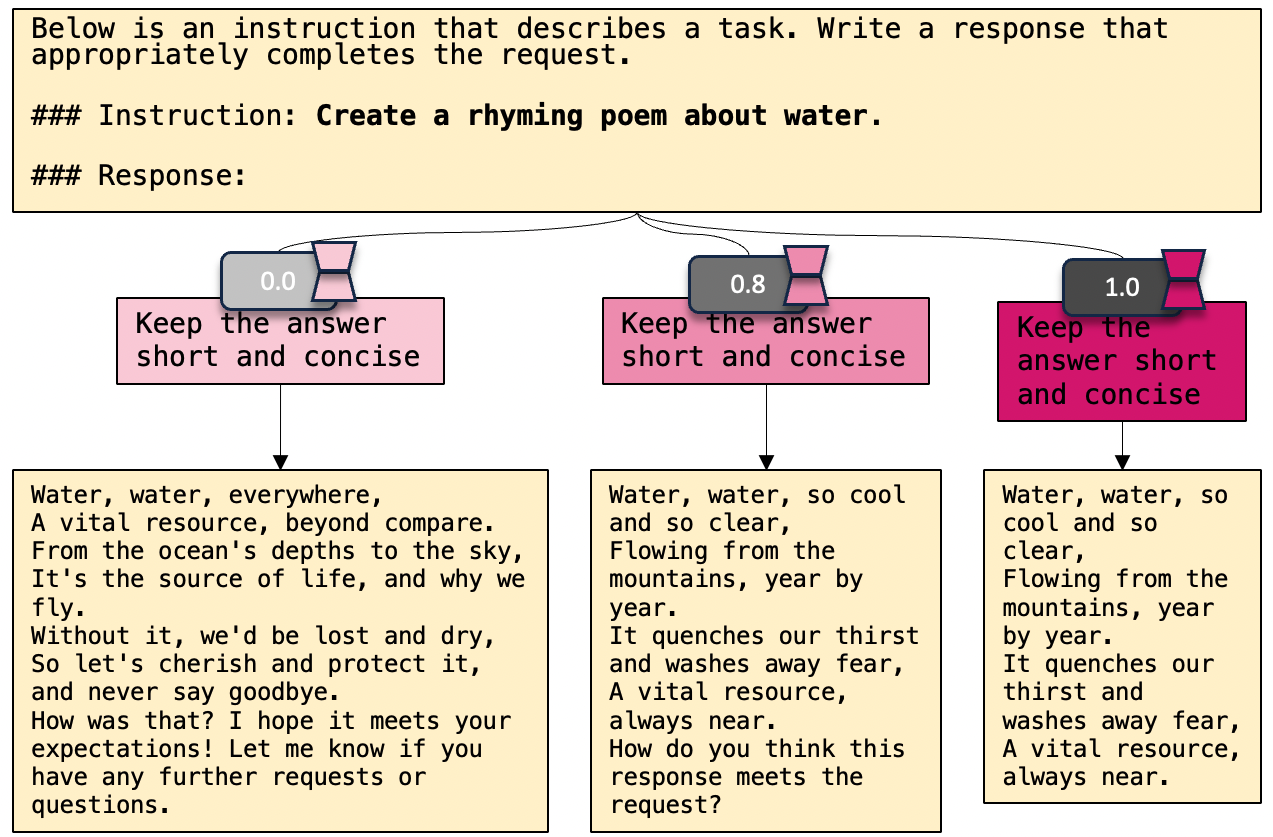
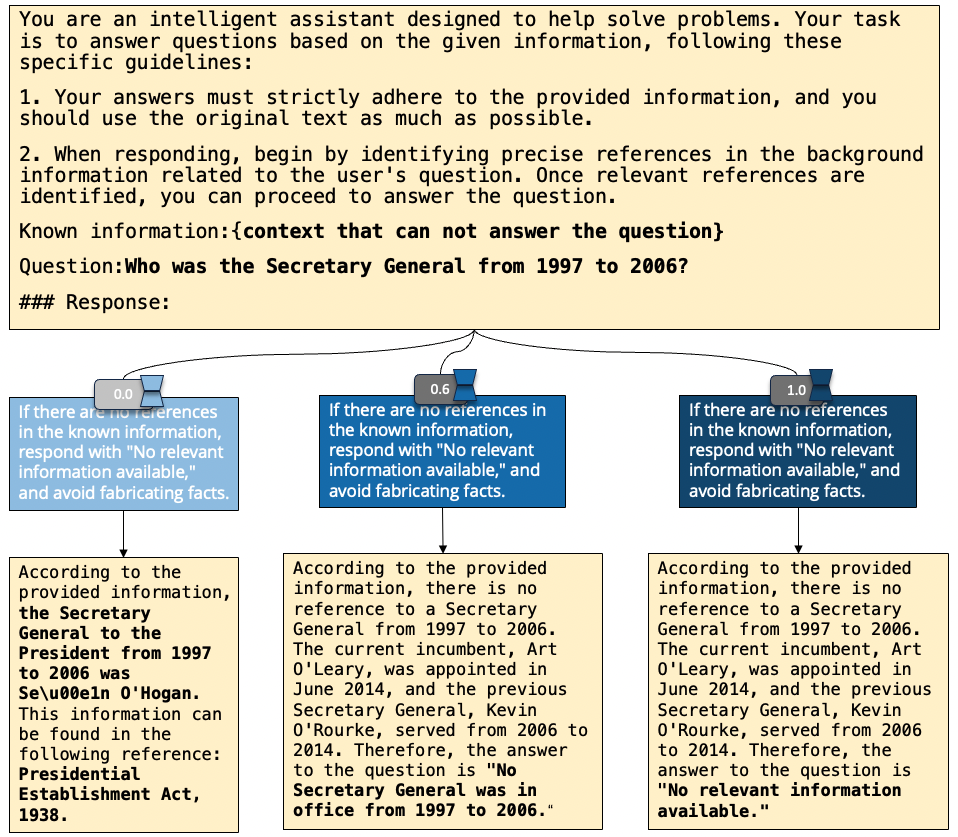
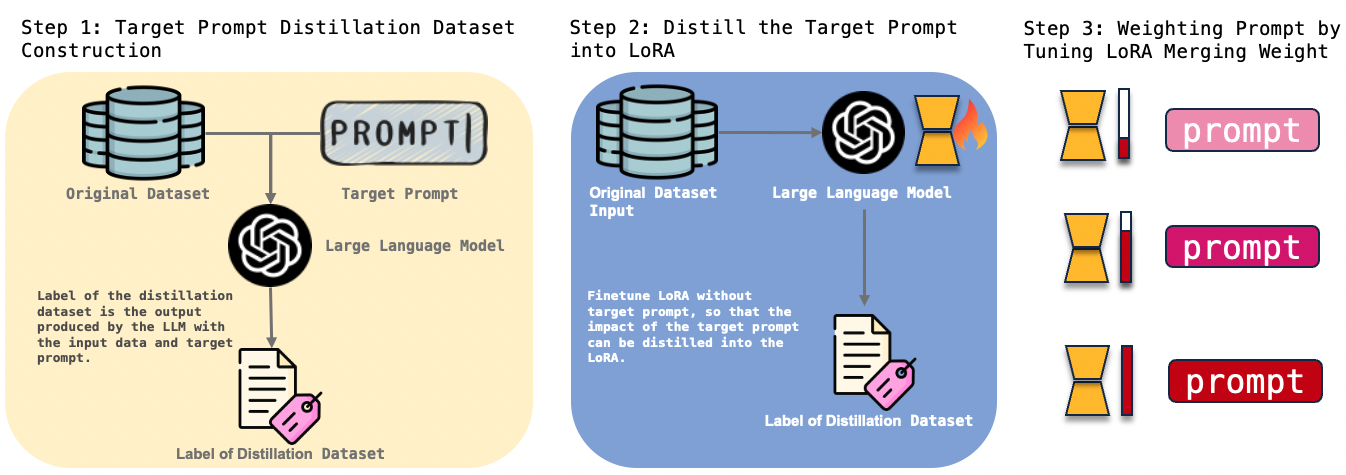
📊 实验亮点
实验结果显示,ControlPE在生成短响应提示、拒绝提示和思维链提示等任务中,相较于基线方法,性能提升显著,具体提升幅度达到20%以上,验证了其在多种应用场景下的有效性和实用性。
🎯 应用场景
ControlPE在多个领域具有广泛的应用潜力,尤其是在需要生成特定类型文本的场景中,如对话系统、内容创作和教育辅助工具等。其灵活的提示控制能力能够有效提升模型的输出质量和用户体验,未来可能在商业和学术研究中产生深远影响。
📄 摘要(原文)
As the use of large language models becomes more widespread, techniques like parameter-efficient fine-tuning and other methods for controlled generation are gaining traction for customizing models and managing their outputs. However, the challenge of precisely controlling how prompts influence these models is an area ripe for further investigation. In response, we introduce ControlPE (Continuously Controllable Prompt Engineering). ControlPE enables finer adjustments to prompt effects, complementing existing prompt engineering, and effectively controls continuous targets. This approach harnesses the power of LoRA (Low-Rank Adaptation) to create an effect akin to prompt weighting, enabling fine-tuned adjustments to the impact of prompts. Our methodology involves generating specialized datasets for prompt distillation, incorporating these prompts into the LoRA model, and carefully adjusting LoRA merging weight to regulate the influence of prompts. This provides a dynamic and adaptable tool for prompt control. Through our experiments, we have validated the practicality and efficacy of ControlPE. It proves to be a promising solution for control a variety of prompts, ranging from generating short responses prompts, refusal prompts to chain-of-thought prompts.