Exploring the Jungle of Bias: Political Bias Attribution in Language Models via Dependency Analysis
作者: David F. Jenny, Yann Billeter, Mrinmaya Sachan, Bernhard Schölkopf, Zhijing Jin
分类: cs.CL, cs.AI, cs.CY, cs.SI
发布日期: 2023-11-15 (更新: 2024-05-12)
🔗 代码/项目: GITHUB
💡 一句话要点
通过因果公平分析探讨语言模型中的政治偏见归因
🎯 匹配领域: 支柱九:具身大模型 (Embodied Foundation Models)
关键词: 语言模型 偏见分析 因果公平 活动依赖网络 政治辩论 人机对齐 去偏见方法
📋 核心要点
- 当前对大型语言模型中的偏见理解不足,现有去偏见方法效果有限,且偏见的来源和后果尚未得到充分探讨。
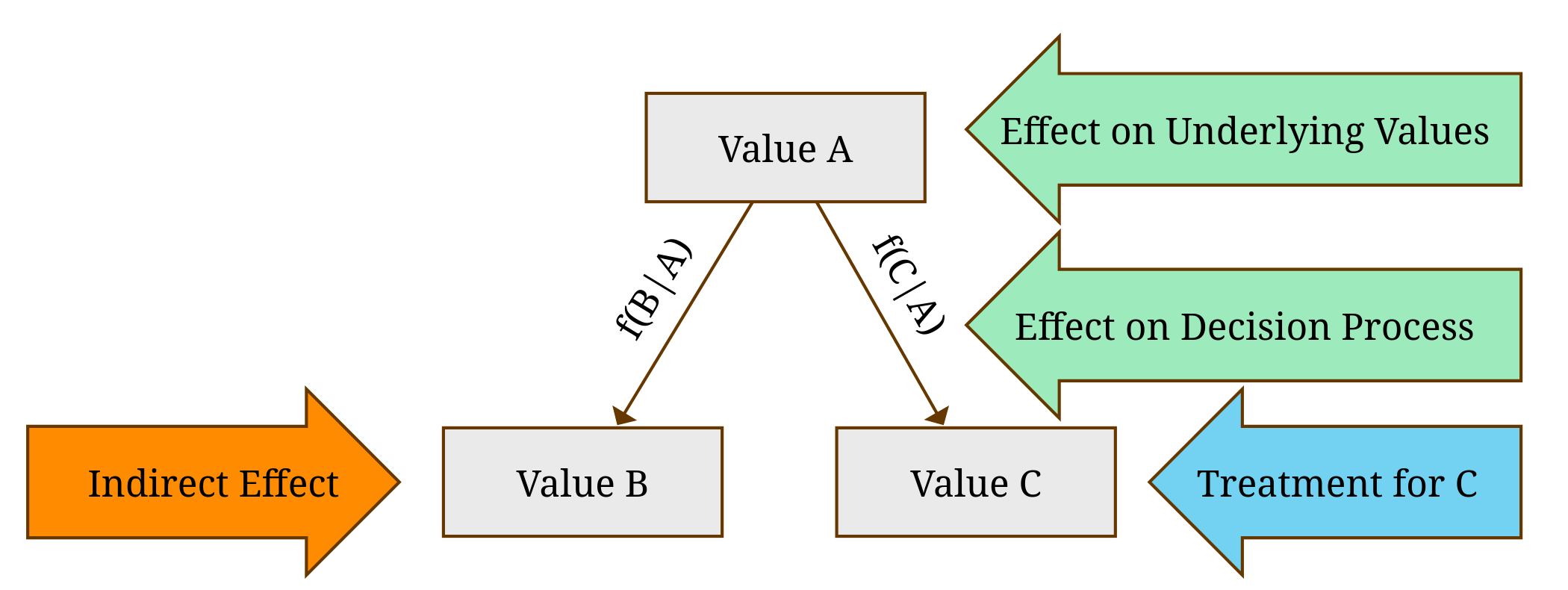
- 本文提出了一种基于提示的方法,通过因果公平分析提取影响LLM决策的混淆和中介属性,以更好地理解偏见的来源。
- 实验结果表明,政治辩论中的论点质量评分存在差异待遇,部分可归因于混淆属性和模型不对齐,强调了人机对齐的重要性。
📝 摘要(中文)
大型语言模型(LLMs)的快速发展引发了关于模型偏见及其缓解的激烈讨论。尽管文献中对去偏见方法的研究和社区对对齐缺陷的报告表明偏见问题仍然不够清晰,但其实际相关性不容忽视。为增强对偏见内部原因的理解,本文通过因果公平分析框架分析LLM偏见,提出了一种基于提示的方法提取影响LLM决策过程的混淆和中介属性。通过活动依赖网络(ADNs),分析这些属性如何影响LLM的决策过程。我们将该方法应用于政治辩论中的论点质量评分,发现观察到的差异待遇部分可归因于混淆和中介属性以及模型不对齐,并讨论了这些发现对人机对齐和偏见缓解的影响。
🔬 方法详解
问题定义:本文旨在解决大型语言模型中的偏见归因问题,现有方法在理解偏见来源和后果方面存在不足,导致偏见的缓解措施效果不佳。
核心思路:通过因果公平分析框架,结合提示方法提取混淆和中介属性,从而深入理解这些属性如何影响LLM的决策过程。
技术框架:整体架构包括数据收集、属性提取、活动依赖网络分析和结果评估四个主要模块。首先通过提示方法提取相关属性,然后利用ADNs分析这些属性对LLM决策的影响。
关键创新:本研究的创新点在于将因果公平分析与提示方法结合,首次系统性地分析了混淆和中介属性对LLM偏见的影响,填补了现有研究的空白。
关键设计:在属性提取过程中,采用特定的提示设计以确保提取的属性具有代表性和相关性,同时在ADNs中设计了适当的网络结构以捕捉属性间的依赖关系。实验中使用了标准化的评价指标来评估模型的偏见程度。
🖼️ 关键图片


📊 实验亮点
实验结果显示,在政治辩论的论点质量评分中,模型的偏见程度显著受到混淆和中介属性的影响。具体而言,模型在某些情况下的评分差异可达20%,强调了对齐和偏见缓解的重要性。
🎯 应用场景
该研究的潜在应用领域包括政治辩论分析、社交媒体内容审核和自动化决策系统等。通过深入理解语言模型中的偏见来源,可以为开发更公平和透明的AI系统提供理论支持,进而提升人机交互的信任度和有效性。
📄 摘要(原文)
The rapid advancement of Large Language Models (LLMs) has sparked intense debate regarding the prevalence of bias in these models and its mitigation. Yet, as exemplified by both results on debiasing methods in the literature and reports of alignment-related defects from the wider community, bias remains a poorly understood topic despite its practical relevance. To enhance the understanding of the internal causes of bias, we analyse LLM bias through the lens of causal fairness analysis, which enables us to both comprehend the origins of bias and reason about its downstream consequences and mitigation. To operationalize this framework, we propose a prompt-based method for the extraction of confounding and mediating attributes which contribute to the LLM decision process. By applying Activity Dependency Networks (ADNs), we then analyse how these attributes influence an LLM's decision process. We apply our method to LLM ratings of argument quality in political debates. We find that the observed disparate treatment can at least in part be attributed to confounding and mitigating attributes and model misalignment, and discuss the consequences of our findings for human-AI alignment and bias mitigation. Our code and data are at https://github.com/david-jenny/LLM-Political-Study.