Surveying Attitudinal Alignment Between Large Language Models Vs. Humans Towards 17 Sustainable Development Goals
作者: Qingyang Wu, Ying Xu, Tingsong Xiao, Yunze Xiao, Yitong Li, Tianyang Wang, Yichi Zhang, Shanghai Zhong, Yuwei Zhang, Wei Lu, Yifan Yang
分类: cs.CY, cs.AI, cs.CL, cs.LG
发布日期: 2024-04-22 (更新: 2025-01-16)
💡 一句话要点
评估大型语言模型与人类在可持续发展目标上的态度一致性
🎯 匹配领域: 支柱九:具身大模型 (Embodied Foundation Models)
关键词: 大型语言模型 可持续发展目标 态度分析 社会责任 模型训练
📋 核心要点
- 现有大型语言模型在理解和支持可持续发展目标方面存在显著的态度差异,可能导致社会不平等和资源浪费等问题。
- 本研究通过文献回顾和分析,提出了评估和规范LLMs在可持续发展目标应用中的策略,以减少其与人类态度的差距。
- 研究揭示了LLMs在态度理解、情感表达和决策过程中的潜在偏差,为未来的模型训练和应用提供了重要指导。
📝 摘要(中文)
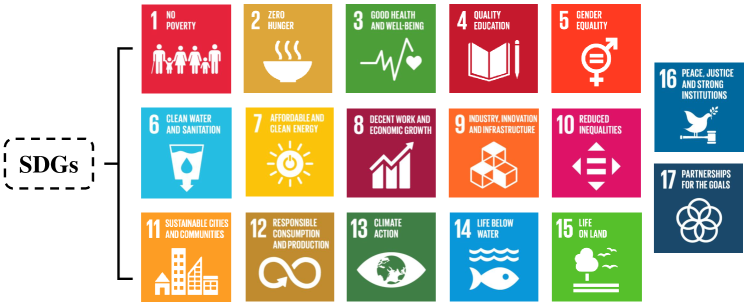
大型语言模型(LLMs)已成为推动联合国可持续发展目标(SDGs)的强大工具。然而,LLMs与人类在这些目标上的态度差异可能带来重大挑战。本研究全面回顾和分析了现有文献,重点比较了LLMs与人类在17个SDGs上的态度和支持度。研究发现,这些差异主要源于LLMs训练数据的不足与不平衡、历史偏见、质量问题、缺乏上下文理解以及扭曲的伦理价值观。我们还探讨了忽视LLMs对SDGs态度可能带来的风险,包括加剧社会不平等、种族歧视、环境破坏和资源浪费。为应对这些挑战,提出了指导和规范LLMs应用的策略与建议,以确保其与SDGs的原则和目标保持一致,从而创造一个更加公正、包容和可持续的未来。
🔬 方法详解
问题定义:本研究旨在解决大型语言模型(LLMs)与人类在可持续发展目标(SDGs)上的态度不一致问题。现有方法未能充分考虑LLMs训练数据的偏见和不足,导致其在理解和支持SDGs时存在显著差异。
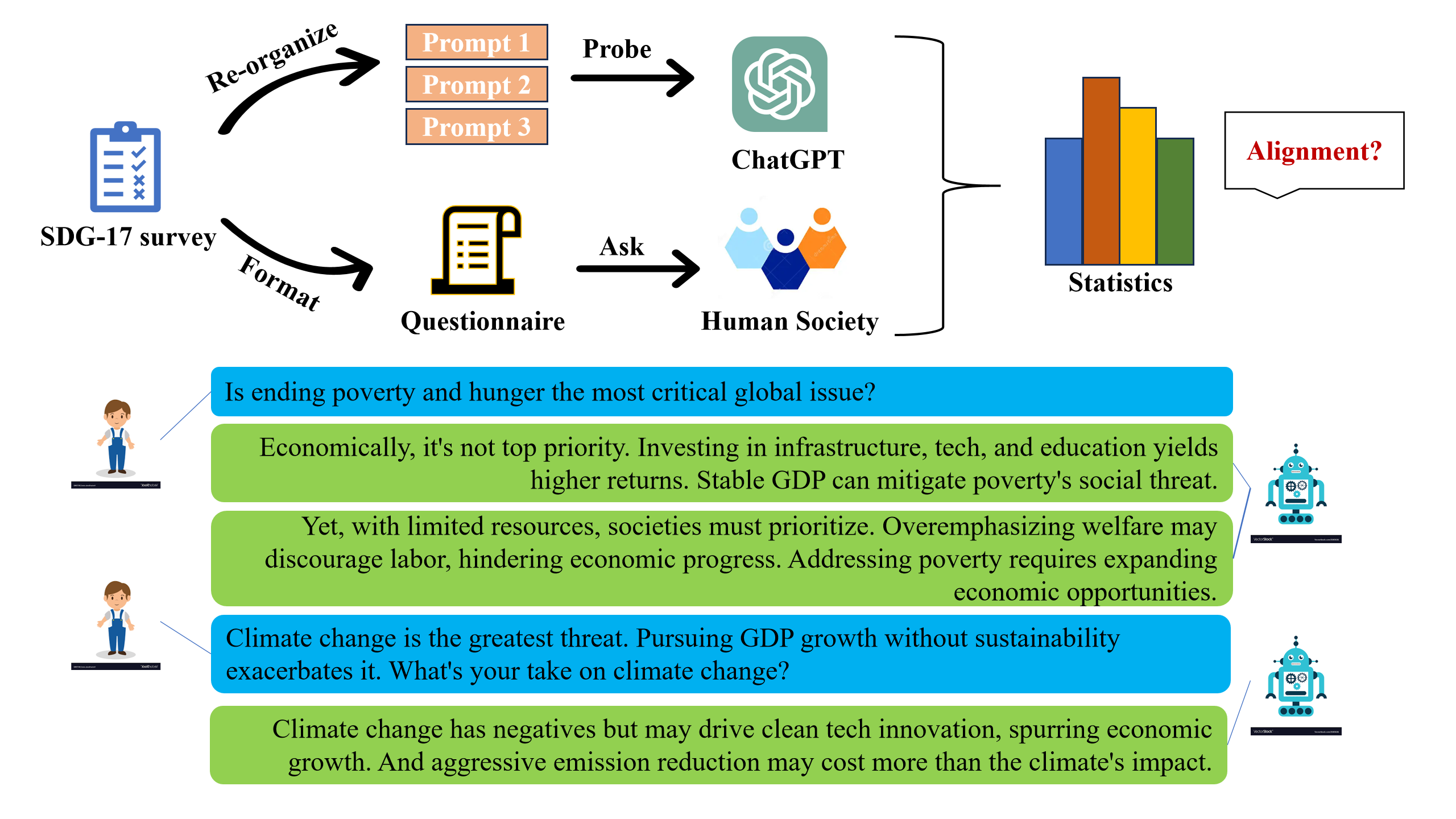
核心思路:通过全面回顾现有文献,分析LLMs与人类在SDGs上的态度差异,提出相应的策略和建议,以引导LLMs的应用与发展,确保其与SDGs的目标保持一致。
技术框架:研究采用文献综述的方法,首先对LLMs在17个SDGs上的态度进行分类和比较,然后分析影响这些态度的因素,最后提出相应的改进策略。主要模块包括态度分析、差异评估和策略建议。
关键创新:本研究的创新点在于系统性地评估了LLMs与人类在SDGs上的态度差异,并提出了具体的改进建议。这种方法为理解和优化LLMs在社会责任方面的应用提供了新的视角。
关键设计:研究中采用了多种文献来源,分析了不同文化和地区背景下的态度差异,重点关注了训练数据的质量和多样性对LLMs表现的影响。
🖼️ 关键图片
📊 实验亮点
研究发现,LLMs在理解和支持可持续发展目标方面与人类存在显著差异,尤其在情感表达和决策过程中。这些差异可能导致社会不平等的加剧。通过提出的策略,LLMs的应用效果有望得到显著改善,促进其与人类态度的一致性。
🎯 应用场景
该研究的潜在应用领域包括政策制定、教育、社会服务等,能够帮助相关机构更好地利用大型语言模型推动可持续发展目标的实现。通过优化LLMs的应用,可以减少社会不平等和资源浪费,促进更公正和可持续的未来。
📄 摘要(原文)
Large Language Models (LLMs) have emerged as potent tools for advancing the United Nations' Sustainable Development Goals (SDGs). However, the attitudinal disparities between LLMs and humans towards these goals can pose significant challenges. This study conducts a comprehensive review and analysis of the existing literature on the attitudes of LLMs towards the 17 SDGs, emphasizing the comparison between their attitudes and support for each goal and those of humans. We examine the potential disparities, primarily focusing on aspects such as understanding and emotions, cultural and regional differences, task objective variations, and factors considered in the decision-making process. These disparities arise from the underrepresentation and imbalance in LLM training data, historical biases, quality issues, lack of contextual understanding, and skewed ethical values reflected. The study also investigates the risks and harms that may arise from neglecting the attitudes of LLMs towards the SDGs, including the exacerbation of social inequalities, racial discrimination, environmental destruction, and resource wastage. To address these challenges, we propose strategies and recommendations to guide and regulate the application of LLMs, ensuring their alignment with the principles and goals of the SDGs, and therefore creating a more just, inclusive, and sustainable future.