Language Generation in the Limit
作者: Jon Kleinberg, Sendhil Mullainathan
分类: cs.DS, cs.AI, cs.CL, cs.LG
发布日期: 2024-04-10
备注: 24 pages, 2 figures
💡 一句话要点
提出一种新方法以在极限条件下生成语言
🎯 匹配领域: 支柱九:具身大模型 (Embodied Foundation Models)
关键词: 语言生成 计算代理 自然语言处理 机器学习 语言识别
📋 核心要点
- 核心问题:现有方法在语言生成中面临的挑战是如何在有限样本下生成新的有效字符串。
- 方法要点:本文提出了一种新的代理模型,能够在对手的枚举中生成未知语言的字符串,且不依赖于额外假设。
- 实验或效果:研究表明,所提出的代理能够在每个可数候选语言列表中实现极限生成,展现出与传统语言识别方法的根本区别。
📝 摘要(中文)
尽管当前的大型语言模型复杂,但语言生成问题的基本规格简单明了:给定有限的训练样本,从未知语言中生成有效的新字符串。本文探讨在没有进一步假设的情况下,基于这一规格我们能得出什么结论。特别地,假设一个对手枚举一个未知目标语言L的字符串,该语言仅来自可能无限的候选列表。计算代理试图学习从该语言生成;我们称代理在极限中生成L,如果在对手的枚举中某个有限点之后,代理能够生成仅来自L的新元素,而这些元素尚未被对手呈现。我们的主要结果是,对于每个可数的候选语言列表,存在一个能够在极限中生成的代理。这与Gold和Angluin在语言学习模型中的负面结果形成鲜明对比,表明识别语言与从中生成语言是根本不同的问题。
🔬 方法详解
问题定义:本文解决的问题是如何在有限的训练样本下生成新的有效字符串,现有方法在语言识别中存在局限性,无法有效处理未知语言的生成问题。
核心思路:论文的核心思路是设计一个计算代理,使其能够在对手的字符串枚举中,识别并生成仅来自目标语言的新字符串,而无需额外的假设。
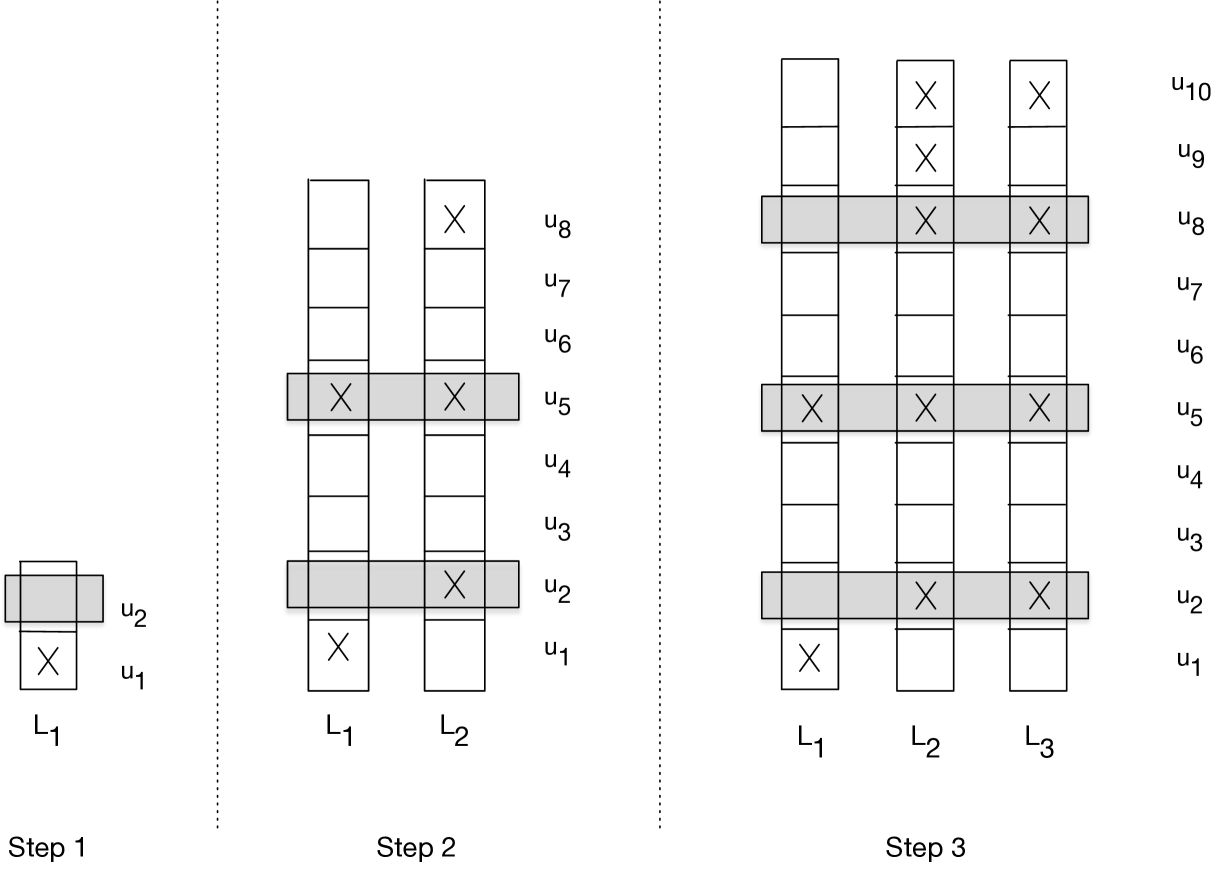
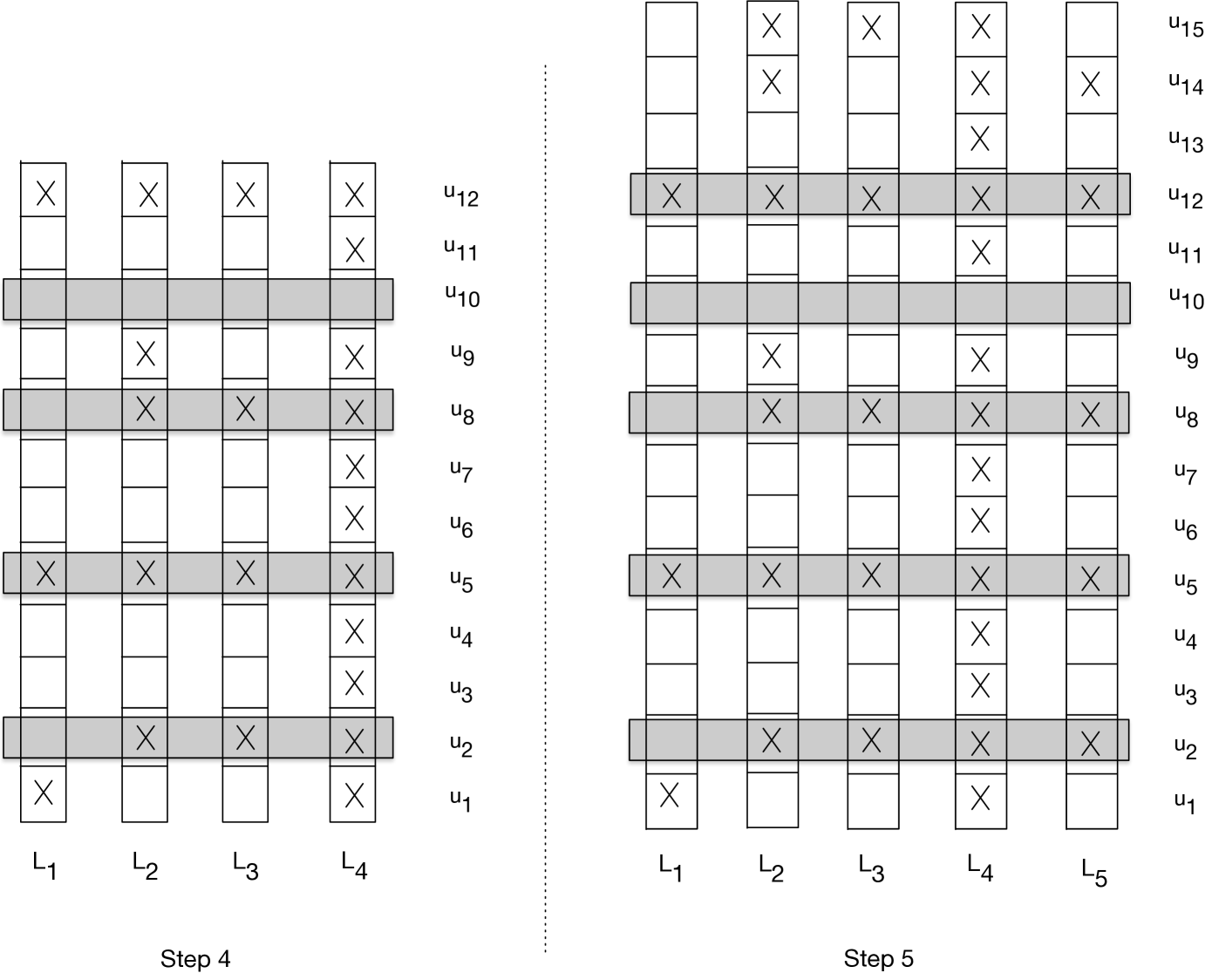
技术框架:整体架构包括对手枚举的字符串生成过程和代理的学习过程。代理通过不断学习对手的输出,逐步掌握目标语言的生成规则。
关键创新:最重要的技术创新在于提出了一个能够在极限条件下生成语言的代理模型,这与传统的语言识别方法形成鲜明对比,后者主要关注于从样本中识别语言而非生成。
关键设计:关键设计包括对代理的训练过程进行优化,以确保其能够在对手的输出中快速适应并生成新的有效字符串,具体的参数设置和损失函数设计尚未详细说明。
🖼️ 关键图片
📊 实验亮点
实验结果表明,所提出的代理在每个可数候选语言列表中均能成功生成新字符串,展现出与传统方法的显著差异。具体性能数据尚未提供,但结果表明该方法在语言生成任务中具有较高的有效性。
🎯 应用场景
该研究的潜在应用领域包括自然语言处理、对话系统和自动文本生成等。通过在极限条件下生成语言,能够提升机器在处理未知语言时的灵活性和适应性,具有重要的实际价值和未来影响。
📄 摘要(原文)
Although current large language models are complex, the most basic specifications of the underlying language generation problem itself are simple to state: given a finite set of training samples from an unknown language, produce valid new strings from the language that don't already appear in the training data. Here we ask what we can conclude about language generation using only this specification, without further assumptions. In particular, suppose that an adversary enumerates the strings of an unknown target language L that is known only to come from one of a possibly infinite list of candidates. A computational agent is trying to learn to generate from this language; we say that the agent generates from L in the limit if after some finite point in the enumeration of L, the agent is able to produce new elements that come exclusively from L and that have not yet been presented by the adversary. Our main result is that there is an agent that is able to generate in the limit for every countable list of candidate languages. This contrasts dramatically with negative results due to Gold and Angluin in a well-studied model of language learning where the goal is to identify an unknown language from samples; the difference between these results suggests that identifying a language is a fundamentally different problem than generating from it.