Generative AI Adoption in Classroom in Context of Technology Acceptance Model (TAM) and the Innovation Diffusion Theory (IDT)
作者: Aashish Ghimire, John Edwards
分类: cs.CY, cs.AI
发布日期: 2024-03-29
💡 一句话要点
基于技术接受模型和创新扩散理论分析生成性人工智能在课堂中的应用
🎯 匹配领域: 支柱九:具身大模型 (Embodied Foundation Models)
关键词: 生成性人工智能 技术接受模型 创新扩散理论 教育技术 大型语言模型 教育工作者 接受度分析
📋 核心要点
- 教育工作者对生成性人工智能的接受度差异显著,现有研究未能充分揭示影响因素。
- 本研究通过调查教育工作者,结合技术接受模型和创新扩散理论,分析影响GenAI接受度的因素。
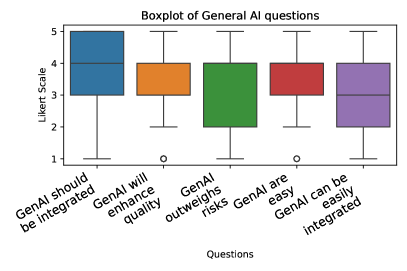
- 结果显示,GenAI工具的感知有用性与接受度呈强正相关,感知易用性也对接受度有影响。
📝 摘要(中文)
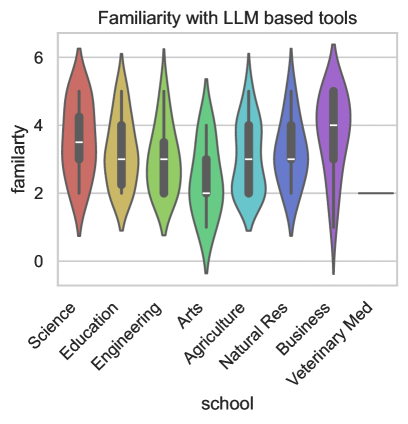
生成性人工智能(GenAI)和大型语言模型(LLMs)在教育领域的广泛应用引发了关于其有效性和可接受性的讨论。尽管存在潜在的好处,教育工作者对这些前沿技术的接受程度差异显著,从热情支持到深度怀疑不等。本研究旨在分析影响教育工作者对GenAI和LLMs的看法和接受度的因素。通过对教育工作者进行调查,并运用技术接受模型(TAM)和创新扩散理论(IDT)进行数据分析,我们发现GenAI工具的感知有用性与其接受度之间存在强正相关关系,强调了向教育工作者展示实际利益的重要性。此外,感知易用性也对接受度产生了显著影响,但程度较小。研究结果表明,对这些工具的知识和接受度并不均匀,建议针对不同采用者类别的特定需求和关注点制定有针对性的策略,以促进AI工具在教育中的更广泛整合。
🔬 方法详解
问题定义:本研究旨在解决教育工作者对生成性人工智能(GenAI)和大型语言模型(LLMs)接受度差异的问题。现有方法未能深入探讨影响教育者态度的具体因素,导致技术整合的挑战。
核心思路:本研究通过对教育工作者进行调查,运用技术接受模型(TAM)和创新扩散理论(IDT),分析影响GenAI和LLMs接受度的因素,强调感知有用性和易用性的重要性。
技术框架:研究首先设计了一份调查问卷,收集教育工作者对GenAI和LLMs的看法,随后运用TAM和IDT框架对数据进行分析,识别出影响接受度的关键因素。
关键创新:本研究的创新点在于结合TAM和IDT理论,系统性地分析教育工作者对GenAI的接受度,揭示了感知有用性和易用性在接受过程中的不同作用。
关键设计:调查问卷设计涵盖了感知有用性、感知易用性、教育者的背景知识等多个维度,采用定量分析方法评估各因素对接受度的影响。
🖼️ 关键图片
📊 实验亮点
研究结果表明,GenAI工具的感知有用性与接受度之间存在强正相关关系,感知易用性对接受度也有显著影响。针对不同教育者的需求制定策略,可以促进AI工具在教育中的更广泛应用。
🎯 应用场景
本研究的结果为教育领域中生成性人工智能的应用提供了理论支持,能够帮助教育机构制定更有效的技术整合策略。通过识别不同教育者群体的需求,未来可以更好地推广AI工具,提高教学效果和学习体验。
📄 摘要(原文)
The burgeoning development of generative artificial intelligence (GenAI) and the widespread adoption of large language models (LLMs) in educational settings have sparked considerable debate regarding their efficacy and acceptability.Despite the potential benefits, the assimilation of these cutting-edge technologies among educators exhibits a broad spectrum of attitudes, from enthusiastic advocacy to profound skepticism.This study aims to dissect the underlying factors influencing educators' perceptions and acceptance of GenAI and LLMs.We conducted a survey among educators and analyzed the data through the frameworks of the Technology Acceptance Model (TAM) and Innovation Diffusion Theory (IDT). Our investigation reveals a strong positive correlation between the perceived usefulness of GenAI tools and their acceptance, underscoring the importance of demonstrating tangible benefits to educators. Additionally, the perceived ease of use emerged as a significant factor, though to a lesser extent, influencing acceptance. Our findings also show that the knowledge and acceptance of these tools is not uniform, suggesting that targeted strategies are required to address the specific needs and concerns of each adopter category to facilitate broader integration of AI tools.in education.