Concurrent Linguistic Error Detection (CLED): a New Methodology for Error Detection in Large Language Models
作者: Jinhua Zhu, Javier Conde, Zhen Gao, Pedro Reviriego, Shanshan Liu, Fabrizio Lombardi
分类: cs.AI, cs.CL, cs.LG
发布日期: 2024-03-25 (更新: 2025-09-15)
备注: 11 pages, 6 figures, 30 references
期刊: IEEE Transactions on Computers 2025
💡 一句话要点
提出CLED以解决大语言模型中的错误检测问题
🎯 匹配领域: 支柱九:具身大模型 (Embodied Foundation Models)
关键词: 大语言模型 错误检测 并发分类器 语言特征 自然语言处理 模型可靠性 机器翻译 新闻摘要
📋 核心要点
- 现有的错误检测方法通常需要访问大语言模型的内部节点,但在实际应用中,这种访问往往不可行。
- 本文提出的并发语言错误检测(CLED)方法,通过提取生成文本的语言特征,利用并发分类器进行错误检测,避免了对内部节点的依赖。
- 实验结果显示,CLED在T5和OPUS-MT模型上均能有效检测错误,并且在开销上表现良好,提供了设计灵活性。
📝 摘要(中文)
随着大语言模型(LLMs)的广泛应用,其可靠性成为一个紧迫的问题。错误检测是减轻其对系统影响的第一步,因此高效的错误检测对于LLMs至关重要。在许多情况下,LLM被视为黑箱,无法访问其内部节点,这限制了许多需要内部访问的错误检测方案的使用。基于一个有趣的观察,即LLMs在无错误操作时的输出应为有效且正常的文本,本文提出了并发语言错误检测(CLED)方案。该方案提取LLM生成文本的一些语言特征,并将其输入到并发分类器中以检测错误。由于该机制仅依赖于模型的输出,因此可以在无法访问内部节点的LLMs上使用。CLED方案在T5模型的新闻摘要和OPUS-MT模型的翻译任务中进行了评估,结果表明CLED能够以低开销检测大多数错误。
🔬 方法详解
问题定义:本文旨在解决大语言模型中错误检测的有效性问题。现有方法往往需要访问模型内部节点,限制了其应用场景。
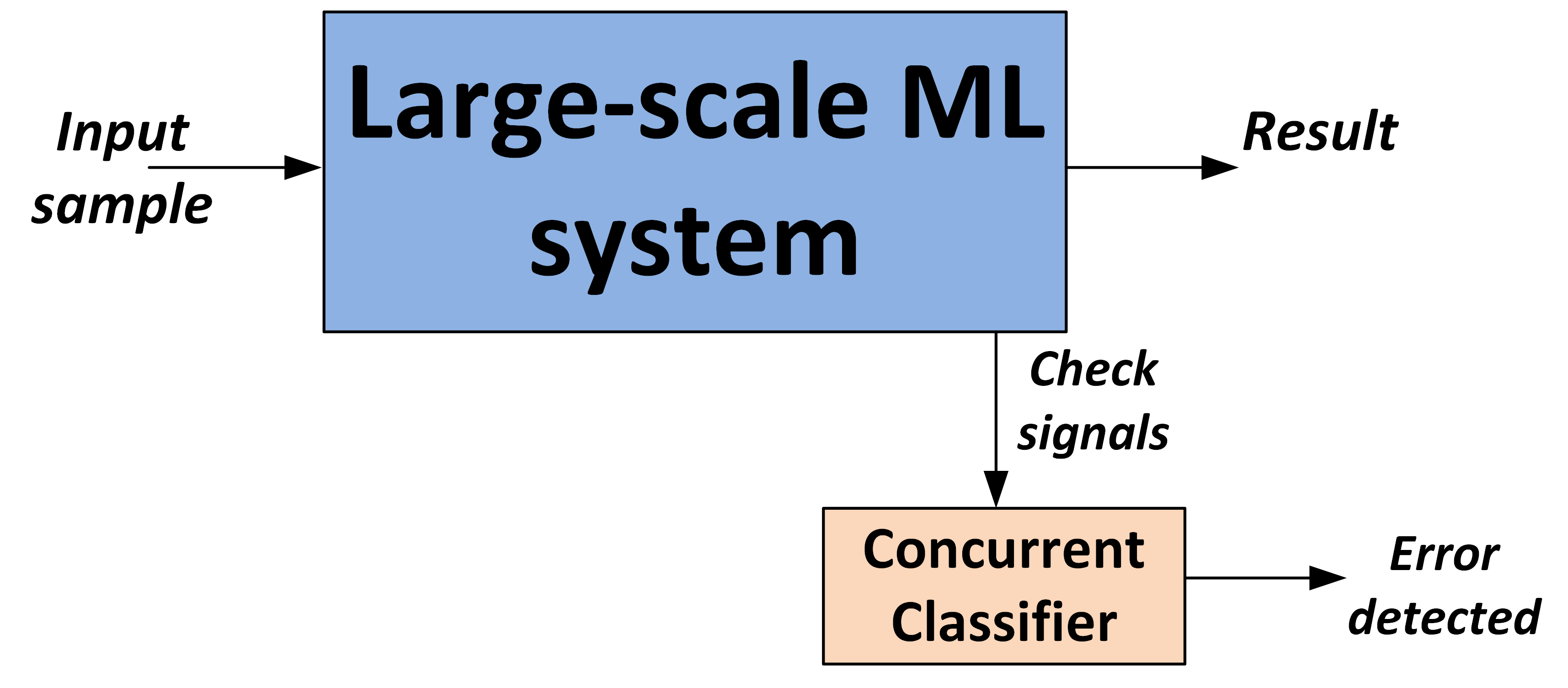
核心思路:CLED方法的核心在于利用生成文本的语言特征,通过并发分类器进行错误检测。这种设计使得方法可以在不依赖内部节点的情况下进行有效检测。
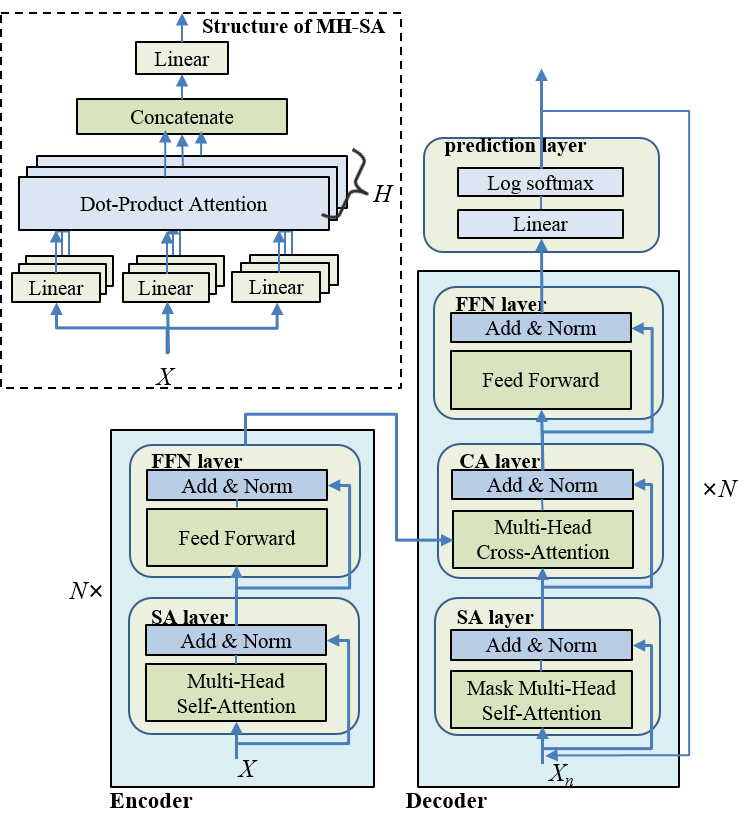
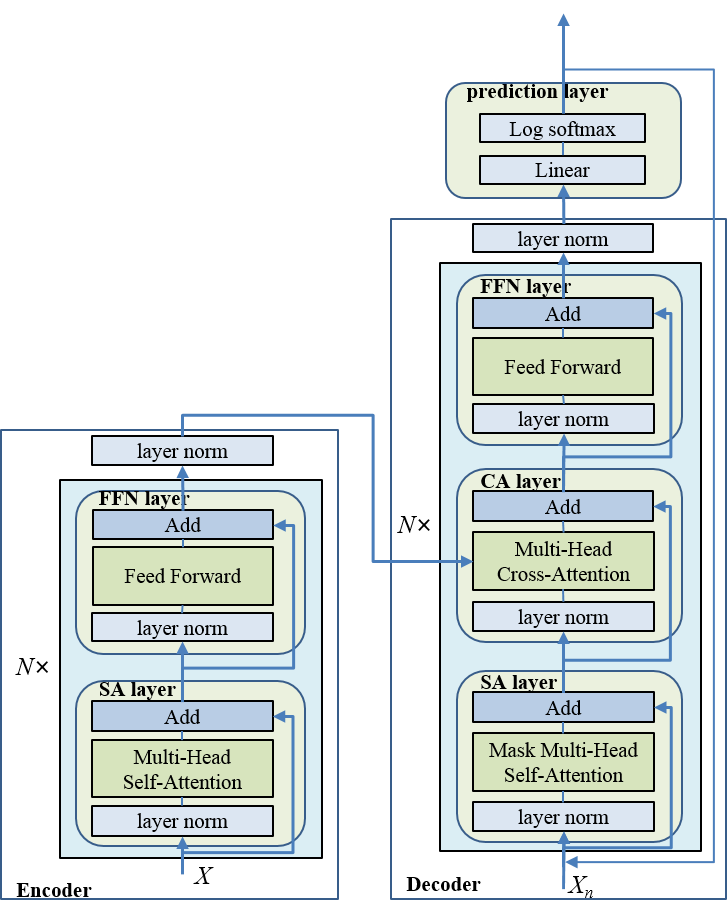
技术框架:CLED的整体架构包括特征提取模块和并发分类器。特征提取模块从LLM的输出文本中提取语言特征,随后将这些特征输入到并发分类器中进行错误检测。
关键创新:CLED的主要创新在于其不依赖于模型内部结构的错误检测机制,能够在多种LLM上通用,且有效性得到了验证。
关键设计:在特征提取过程中,本文使用了一组统一的语言特征,确保了在不同模型上的适用性。并发分类器的设计允许在错误检测的有效性与开销之间进行权衡。
🖼️ 关键图片
📊 实验亮点
实验结果表明,CLED在T5模型和OPUS-MT模型上均能以低开销检测大多数错误,且在错误检测的有效性上优于传统方法。具体而言,CLED在错误检测的准确率上达到了较高水平,展示了其在多种任务中的适用性。
🎯 应用场景
该研究的潜在应用领域包括新闻摘要、机器翻译等需要高可靠性的自然语言处理任务。通过提高错误检测的效率,CLED可以显著提升大语言模型在实际应用中的可靠性和用户体验,未来可能推动更广泛的应用和研究。
📄 摘要(原文)
The wide adoption of Large language models (LLMs) makes their dependability a pressing concern. Detection of errors is the first step to mitigating their impact on a system and thus, efficient error detection for LLMs is an important issue. In many settings, the LLM is considered as a black box with no access to the internal nodes; this prevents the use of many error detection schemes that need access to the model's internal nodes. An interesting observation is that the output of LLMs in error-free operation should be valid and normal text. Therefore, when the text is not valid or differs significantly from normal text, it is likely that there is an error. Based on this observation we propose to perform Concurrent Linguistic Error Detection (CLED); this scheme extracts some linguistic features of the text generated by the LLM and feeds them to a concurrent classifier that detects errors. Since the proposed error detection mechanism only relies on the outputs of the model, then it can be used on LLMs in which there is no access to the internal nodes. The proposed CLED scheme has been evaluated on the T5 model when used for news summarization and on the OPUS-MT model when used for translation. In both cases, the same set of linguistic features has been used for error detection to illustrate the applicability of the proposed scheme beyond a specific case. The results show that CLED can detect most of the errors at a low overhead penalty. The use of the concurrent classifier also enables a trade-off between error detection effectiveness and its associated overhead, so providing flexibility to a designer.