Generative AI in Education: A Study of Educators' Awareness, Sentiments, and Influencing Factors
作者: Aashish Ghimire, James Prather, John Edwards
分类: cs.AI
发布日期: 2024-03-22
💡 一句话要点
研究教育工作者对生成性人工智能的认知与态度
🎯 匹配领域: 支柱九:具身大模型 (Embodied Foundation Models)
关键词: 生成性人工智能 教育技术 教师态度 高等教育 大型语言模型
📋 核心要点
- 现有文献对教育工作者对生成性AI的认知和态度研究不足,缺乏系统性分析。
- 本研究通过问卷和访谈相结合的方法,深入探讨教育工作者对生成性AI工具的态度及其影响因素。
- 研究结果表明,教育工作者对生成性AI的认知和态度普遍积极,尤其是计算机科学领域的教育者表现出更高的自信。
📝 摘要(中文)
随着人工智能(AI)快速发展和大型语言模型(LLMs)在教育中的广泛应用,关于其在教育领域应用的讨论日益增多。本研究探讨了大学教师对AI语言模型的经验和态度,填补了文献中的空白,分析了教育工作者对AI在课堂中的角色及其对教学和学习潜在影响的看法。研究的目标是调查教育工作者对LLMs和基于生成性AI工具的认知水平、总体态度及影响这些态度的因素。通过使用李克特量表的问卷收集数据,并通过后续访谈获得更细致的理解。结果显示,教育工作者对这些工具的认知逐渐提高,态度普遍积极。我们发现教学风格与对生成性AI的态度之间没有相关性。最后,计算机科学教育者在技术理解和对生成性AI工具的积极态度上明显高于其他领域的教育者,但在识别AI生成作品的能力上并没有表现出更高的自信。
🔬 方法详解
问题定义:本研究旨在解决教育工作者对生成性AI工具认知不足的问题,现有研究缺乏对其态度和影响因素的深入分析。
核心思路:通过结合问卷调查和访谈,全面了解教育工作者对生成性AI的认知和态度,探索影响这些态度的因素。
技术框架:研究采用量化问卷收集数据,使用李克特量表评估教育工作者的态度,随后进行定性访谈以获取更深入的见解,最后通过统计和主题分析处理数据。
关键创新:本研究填补了教育领域对生成性AI认知和态度的研究空白,提供了系统的实证数据支持,揭示了不同学科教育者的态度差异。
关键设计:问卷设计采用李克特量表,涵盖认知、态度及影响因素,访谈则聚焦于教育者的具体经验和看法,数据分析使用统计方法和主题分析技术。
🖼️ 关键图片
📊 实验亮点
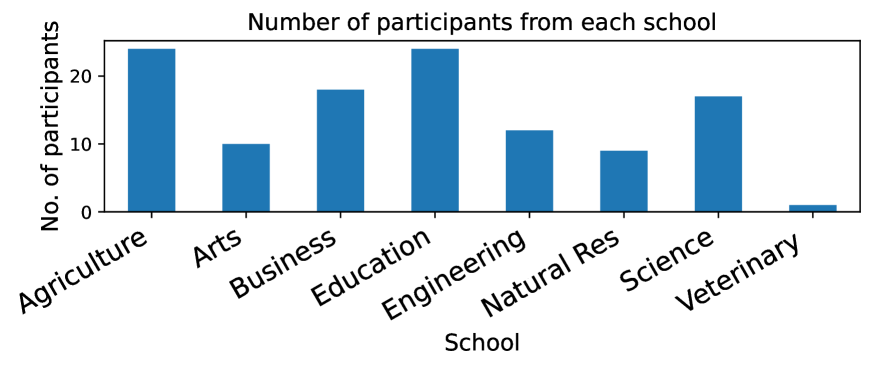
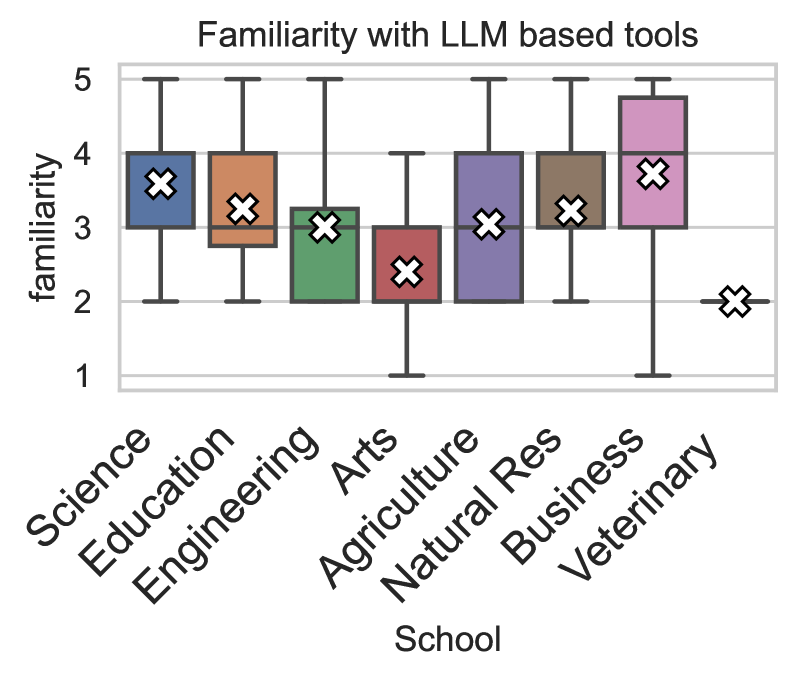
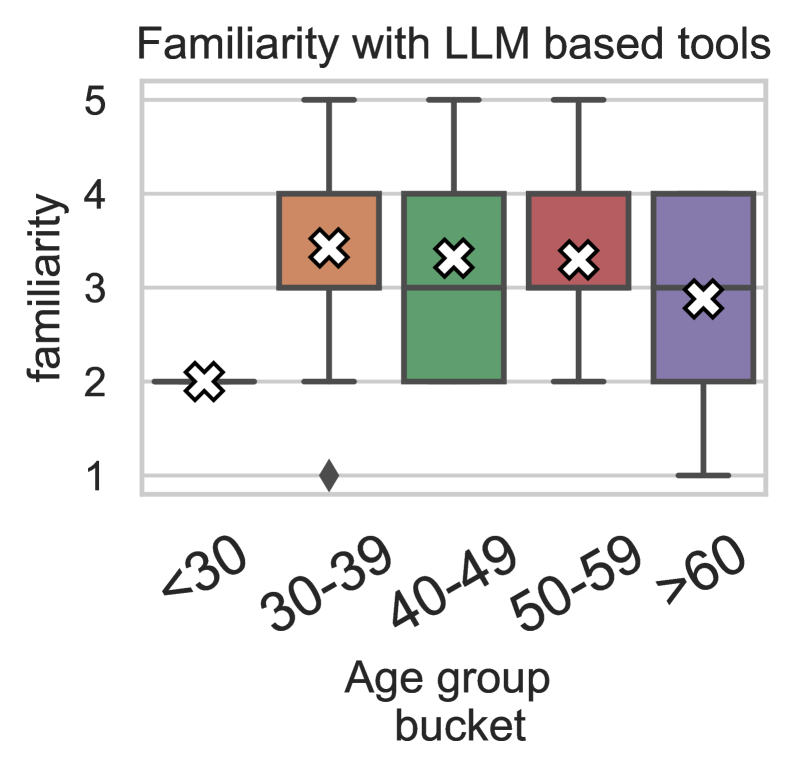
研究发现,教育工作者对生成性AI工具的认知逐渐提高,整体态度积极,尤其是计算机科学领域的教育者表现出更高的自信。尽管如此,教学风格与对生成性AI的态度之间并无显著相关性,这一发现为教育者的培训和支持提供了新的视角。
🎯 应用场景
该研究的潜在应用领域包括高等教育课程设计、教师培训和教育政策制定。通过了解教育工作者对生成性AI的态度,可以为教育技术的有效整合提供指导,促进教学创新和学习效果提升。
📄 摘要(原文)
The rapid advancement of artificial intelligence (AI) and the expanding integration of large language models (LLMs) have ignited a debate about their application in education. This study delves into university instructors' experiences and attitudes toward AI language models, filling a gap in the literature by analyzing educators' perspectives on AI's role in the classroom and its potential impacts on teaching and learning. The objective of this research is to investigate the level of awareness, overall sentiment towardsadoption, and the factors influencing these attitudes for LLMs and generative AI-based tools in higher education. Data was collected through a survey using a Likert scale, which was complemented by follow-up interviews to gain a more nuanced understanding of the instructors' viewpoints. The collected data was processed using statistical and thematic analysis techniques. Our findings reveal that educators are increasingly aware of and generally positive towards these tools. We find no correlation between teaching style and attitude toward generative AI. Finally, while CS educators show far more confidence in their technical understanding of generative AI tools and more positivity towards them than educators in other fields, they show no more confidence in their ability to detect AI-generated work.