Playing NetHack with LLMs: Potential & Limitations as Zero-Shot Agents
作者: Dominik Jeurissen, Diego Perez-Liebana, Jeremy Gow, Duygu Cakmak, James Kwan
分类: cs.AI
发布日期: 2024-03-01
💡 一句话要点
提出NetPlay以解决NetHack游戏中的零-shot智能体挑战
🎯 匹配领域: 支柱九:具身大模型 (Embodied Foundation Models)
关键词: 大型语言模型 零-shot学习 游戏智能体 动态环境 复杂交互 NetHack 决策增强
📋 核心要点
- 现有的零-shot游戏代理主要在Minecraft等简单环境中评估,缺乏对复杂动态环境的有效应用。
- NetPlay通过修改动态机器人环境的架构,设计出适用于NetHack的LLM-powered零-shot代理,增强决策能力。
- 实验结果显示,NetPlay在处理复杂游戏机制时表现出灵活性,但在模糊任务描述下仍面临挑战,强调了上下文信息的重要性。
📝 摘要(中文)
大型语言模型(LLMs)在零-shot游戏代理中表现出色,但主要在Minecraft等环境中评估,缺乏对复杂动态环境的研究。为填补这一空白,本文提出了NetPlay,这是首个基于LLM的零-shot代理,专为挑战性的roguelike游戏NetHack设计。NetPlay通过检测重要游戏事件来增强决策能力,尽管在处理模糊任务描述和缺乏明确反馈方面存在困难。研究表明,NetPlay在提供详细上下文信息时表现最佳,强调了动态方法在复杂游戏中的重要性。
🔬 方法详解
问题定义:本文旨在解决现有零-shot游戏代理在复杂动态环境(如NetHack)中的局限性,尤其是在处理多样化物品和复杂交互时的不足。
核心思路:NetPlay的核心思路是利用大型语言模型的能力,通过检测游戏中的重要事件来动态调整决策,增强对复杂环境的适应性。
技术框架:NetPlay的整体架构包括对LLM的调用、技能选择的提示机制以及过去交互的跟踪模块,以支持决策过程。
关键创新:NetPlay的主要创新在于其动态事件检测机制,使其能够在游戏中实时响应不可预见的情况,这与传统方法的静态决策形成鲜明对比。
关键设计:在设计中,NetPlay采用了特定的技能提示和交互跟踪策略,确保在复杂任务中能够获取详细的上下文信息,优化决策过程。具体的参数设置和损失函数设计尚未详细披露。
🖼️ 关键图片
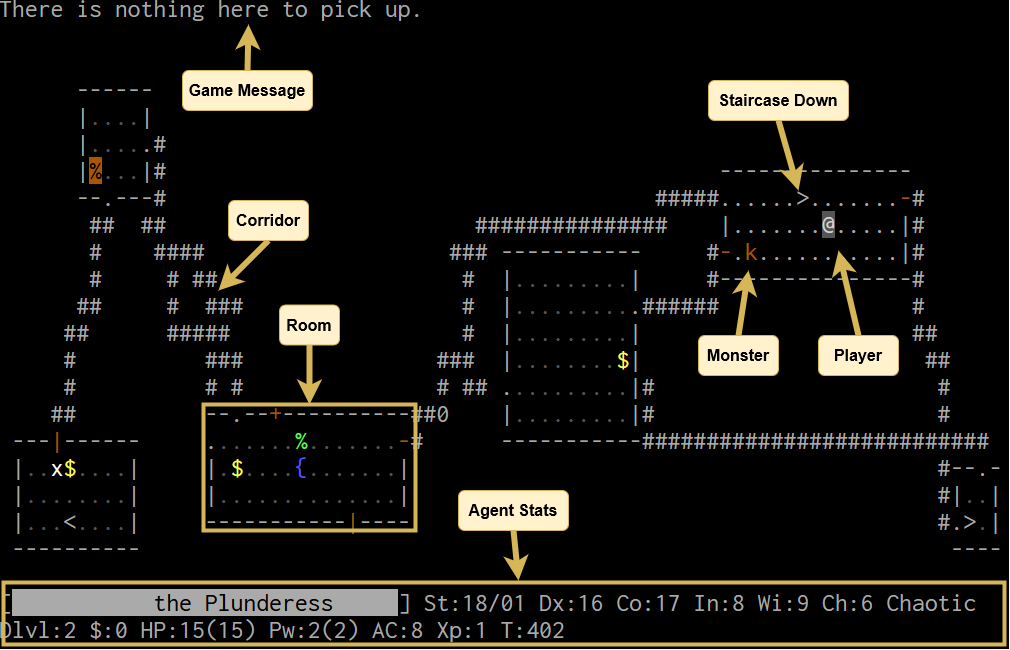
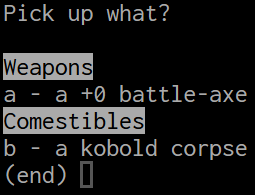

📊 实验亮点
实验结果表明,NetPlay在与NetHack的复杂机制交互时表现出显著的灵活性和能力,尤其是在提供详细上下文信息时,其决策效果明显提升。尽管在处理模糊任务描述时仍存在挑战,但整体性能优于传统方法,展示了LLM在复杂游戏中的潜力。
🎯 应用场景
该研究的潜在应用领域包括游戏智能体的开发、复杂环境下的自动化决策系统以及机器人控制等。通过提升LLM在动态环境中的表现,NetPlay有望推动智能体在更复杂任务中的应用,具有重要的实际价值和未来影响。
📄 摘要(原文)
Large Language Models (LLMs) have shown great success as high-level planners for zero-shot game-playing agents. However, these agents are primarily evaluated on Minecraft, where long-term planning is relatively straightforward. In contrast, agents tested in dynamic robot environments face limitations due to simplistic environments with only a few objects and interactions. To fill this gap in the literature, we present NetPlay, the first LLM-powered zero-shot agent for the challenging roguelike NetHack. NetHack is a particularly challenging environment due to its diverse set of items and monsters, complex interactions, and many ways to die. NetPlay uses an architecture designed for dynamic robot environments, modified for NetHack. Like previous approaches, it prompts the LLM to choose from predefined skills and tracks past interactions to enhance decision-making. Given NetHack's unpredictable nature, NetPlay detects important game events to interrupt running skills, enabling it to react to unforeseen circumstances. While NetPlay demonstrates considerable flexibility and proficiency in interacting with NetHack's mechanics, it struggles with ambiguous task descriptions and a lack of explicit feedback. Our findings demonstrate that NetPlay performs best with detailed context information, indicating the necessity for dynamic methods in supplying context information for complex games such as NetHack.