Reconstruct Your Previous Conversations! Comprehensively Investigating Privacy Leakage Risks in Conversations with GPT Models
作者: Junjie Chu, Zeyang Sha, Michael Backes, Yang Zhang
分类: cs.CR, cs.AI, cs.CL, cs.LG
发布日期: 2024-02-05 (更新: 2024-10-07)
备注: Accepted in EMNLP 2024. 14 pages, 10 figures
💡 一句话要点
提出对话重构攻击以揭示GPT模型的隐私泄露风险
🎯 匹配领域: 支柱九:具身大模型 (Embodied Foundation Models)
关键词: 隐私泄露 对话重构攻击 GPT模型 安全性评估 人工智能伦理
📋 核心要点
- 现有GPT模型在多轮对话中存在隐私泄露风险,尤其是在自定义和劫持会话中。
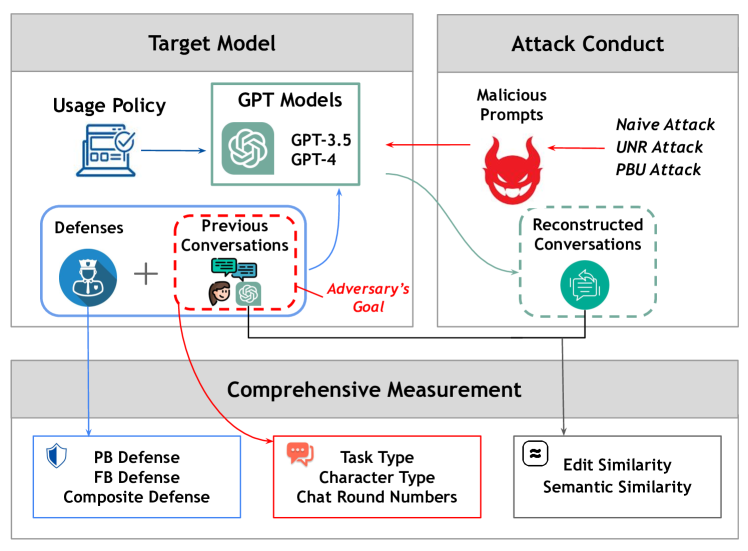
- 本文提出了一种对话重构攻击,通过恶意提示诱导GPT模型泄露用户输入内容。
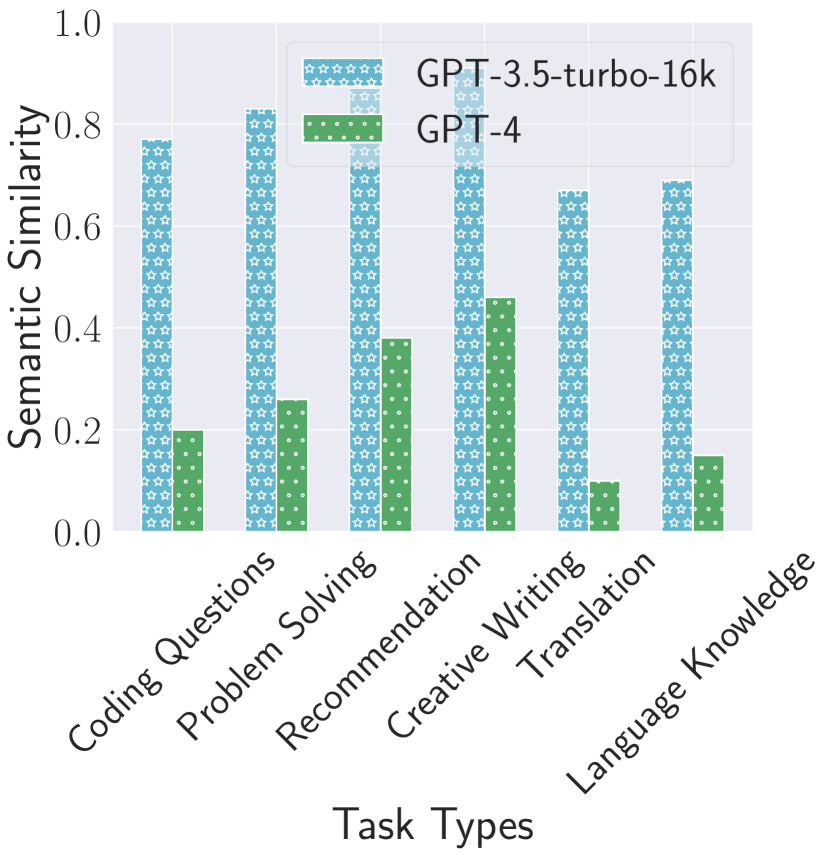
- 实验结果显示,尽管GPT-4表现出较强韧性,但在高级攻击下仍存在显著隐私泄露,现有防御机制无效。
📝 摘要(中文)
近年来,GPT模型在大型语言模型领域取得了显著进展。用户常常与云端GPT模型进行多轮私密对话以优化任务。然而,这种操作模式引入了额外的攻击面,尤其是在自定义GPT和劫持的聊天会话中。本文提出了一种简单而有效的对话重构攻击,旨在获取用户与GPT模型交互过程中的输入内容。通过设计恶意提示,攻击者可以诱导GPT模型泄露这些内容。我们对这种攻击下与GPT模型交互的隐私风险进行了全面审查,发现GPT-4具有相当的韧性。我们展示了两种先进的攻击方法,针对过去对话的重构,表明在这些高级技术下所有模型均存在显著的隐私泄露。评估各种防御机制后,我们发现它们对这些攻击无效。我们的研究结果强调了在与GPT模型交互时隐私被轻易侵犯的风险,呼吁社区加强对这些模型能力潜在滥用的防范。
🔬 方法详解
问题定义:本文旨在解决用户与GPT模型交互过程中隐私泄露的问题。现有方法未能有效防范针对对话内容的重构攻击,导致用户输入信息被恶意获取。
核心思路:论文提出的对话重构攻击通过设计特定的恶意提示,诱导GPT模型泄露用户在交互中的输入内容。这种方法利用了模型的生成特性,使得攻击者能够重构用户的历史对话。
技术框架:整体架构包括攻击者设计恶意提示、GPT模型生成响应、以及对话内容的重构三个主要模块。攻击者通过不断调整提示,优化重构效果。
关键创新:最重要的技术创新在于提出了对话重构攻击的概念,展示了如何通过特定提示有效获取用户输入,与现有的隐私保护方法形成鲜明对比。
关键设计:在攻击过程中,关键参数包括提示的设计和模型的选择。通过实验验证不同提示对重构效果的影响,优化了攻击的成功率。
🖼️ 关键图片

📊 实验亮点
实验结果表明,在提出的对话重构攻击下,所有模型均存在显著的隐私泄露。尤其是GPT-4,尽管表现出一定的韧性,但在高级攻击技术下仍然暴露出用户输入内容的风险。现有防御机制未能有效抵御这些攻击,显示出隐私保护的紧迫性。
🎯 应用场景
该研究的潜在应用领域包括安全性评估、隐私保护和人工智能伦理。随着GPT模型在各行业的广泛应用,理解其隐私风险将有助于制定更有效的防护措施,保护用户数据安全。未来,研究成果可为开发更安全的对话系统提供理论基础和实践指导。
📄 摘要(原文)
Significant advancements have recently been made in large language models represented by GPT models. Users frequently have multi-round private conversations with cloud-hosted GPT models for task optimization. Yet, this operational paradigm introduces additional attack surfaces, particularly in custom GPTs and hijacked chat sessions. In this paper, we introduce a straightforward yet potent Conversation Reconstruction Attack. This attack targets the contents of previous conversations between GPT models and benign users, i.e., the benign users' input contents during their interaction with GPT models. The adversary could induce GPT models to leak such contents by querying them with designed malicious prompts. Our comprehensive examination of privacy risks during the interactions with GPT models under this attack reveals GPT-4's considerable resilience. We present two advanced attacks targeting improved reconstruction of past conversations, demonstrating significant privacy leakage across all models under these advanced techniques. Evaluating various defense mechanisms, we find them ineffective against these attacks. Our findings highlight the ease with which privacy can be compromised in interactions with GPT models, urging the community to safeguard against potential abuses of these models' capabilities.