ProtAgents: Protein discovery via large language model multi-agent collaborations combining physics and machine learning
作者: A. Ghafarollahi, M. J. Buehler
分类: cond-mat.soft, cs.AI, cs.CL, q-bio.BM
发布日期: 2024-01-27
💡 一句话要点
提出ProtAgents以解决蛋白质设计与分析问题
🎯 匹配领域: 支柱九:具身大模型 (Embodied Foundation Models)
关键词: 蛋白质设计 大型语言模型 多代理系统 物理模拟 材料科学 生物工程 自主发现
📋 核心要点
- 现有蛋白质设计方法多依赖于特定目标,缺乏灵活性,难以整合跨领域知识。
- ProtAgents平台利用大型语言模型,多个AI代理协作解决复杂蛋白质设计与分析任务。
- 通过动态协作,系统展示了在新蛋白质设计及物理模拟数据获取方面的显著效果。
📝 摘要(中文)
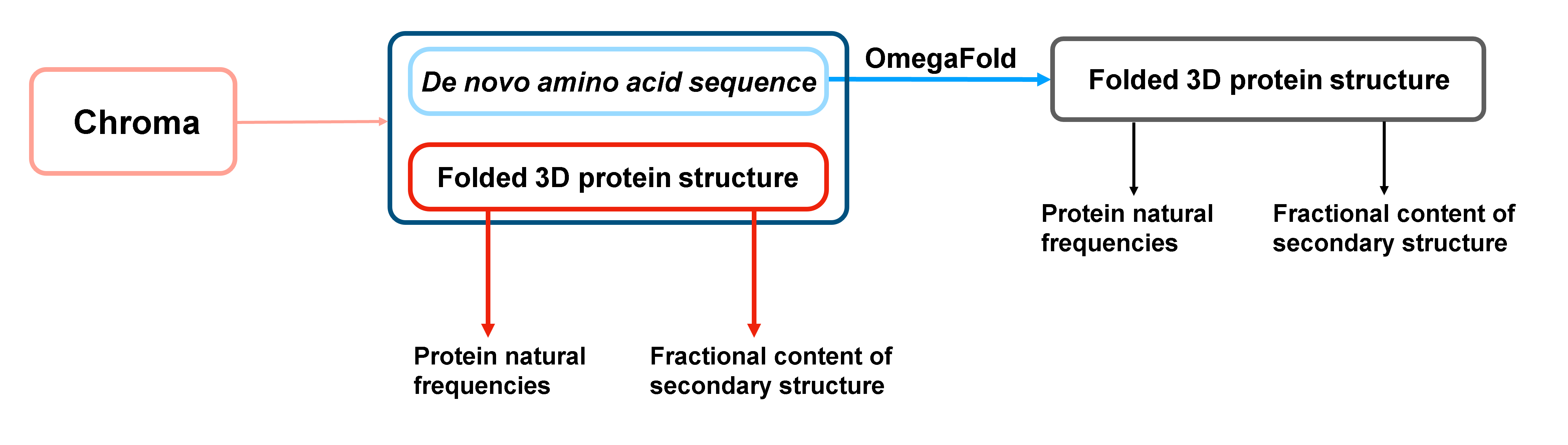
设计新型蛋白质超越自然界的现有蛋白质在科学和工程应用中具有重要前景。目前的蛋白质设计方法通常依赖于AI模型,但这些模型往往局限于特定的材料目标或结构属性,限制了其在设计过程中的灵活性。本文提出了ProtAgents,一个基于大型语言模型的蛋白质设计平台,通过多个具有不同能力的AI代理协作,解决动态环境中的复杂任务。该平台展示了在设计新蛋白质、分析蛋白质结构及通过物理模拟获取新第一性原理数据等方面的应用潜力,推动了自主材料发现与设计的新方向。
🔬 方法详解
问题定义:本文旨在解决现有蛋白质设计方法的局限性,尤其是在灵活性和跨领域知识整合方面的不足。现有模型往往专注于特定目标,难以应对复杂的设计需求。
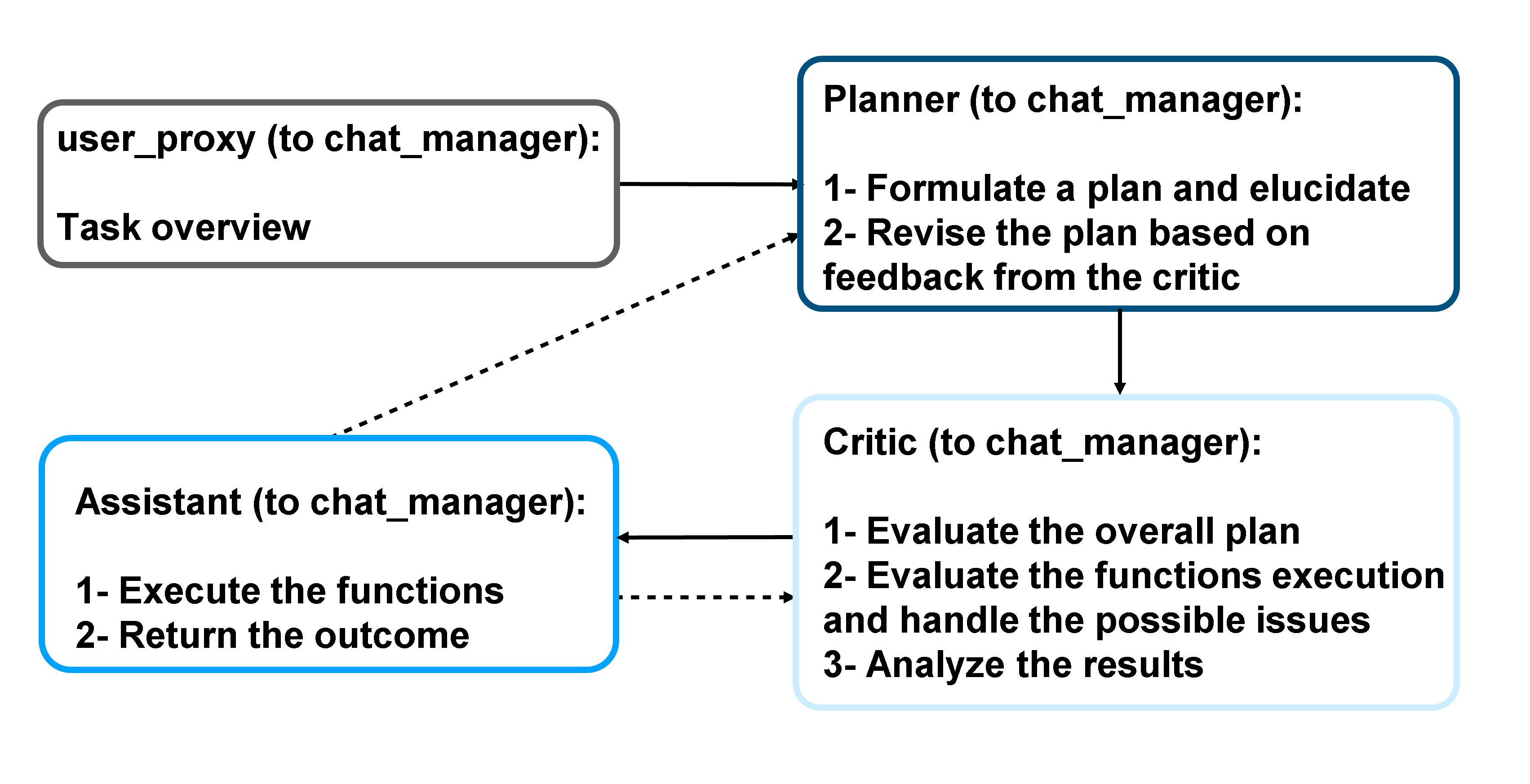
核心思路:ProtAgents通过多个AI代理的协作,结合大型语言模型的能力,提供了一种灵活的蛋白质设计与分析方法。每个代理专注于不同的任务,如知识检索、结构分析和物理模拟,从而实现高效的协作。
技术框架:该平台的整体架构包括多个模块,主要包括:知识检索模块、蛋白质结构分析模块、物理模拟模块和结果分析模块。各模块通过动态协作实现信息共享与任务分配。
关键创新:最重要的创新在于通过动态协作的多代理系统,利用大型语言模型的能力,解决了多目标材料问题的设计与分析。这种方法与传统的单一模型方法有本质区别,能够更好地应对复杂的设计挑战。
关键设计:在设计代理时,考虑了各自的专业领域和任务分配,采用了适应性强的参数设置和损失函数,以确保各模块之间的高效协作。
🖼️ 关键图片

📊 实验亮点
实验结果表明,ProtAgents在设计新蛋白质和获取物理模拟数据方面表现优异,显著提升了设计效率和准确性。与传统方法相比,系统在多目标优化问题上展现了更强的适应性和灵活性。
🎯 应用场景
该研究在新型蛋白质设计、材料科学和生物工程等领域具有广泛的应用潜力。通过实现高效的蛋白质设计与分析,ProtAgents能够推动新材料的发现与开发,促进生物技术和医药领域的进步。
📄 摘要(原文)
Designing de novo proteins beyond those found in nature holds significant promise for advancements in both scientific and engineering applications. Current methodologies for protein design often rely on AI-based models, such as surrogate models that address end-to-end problems by linking protein structure to material properties or vice versa. However, these models frequently focus on specific material objectives or structural properties, limiting their flexibility when incorporating out-of-domain knowledge into the design process or comprehensive data analysis is required. In this study, we introduce ProtAgents, a platform for de novo protein design based on Large Language Models (LLMs), where multiple AI agents with distinct capabilities collaboratively address complex tasks within a dynamic environment. The versatility in agent development allows for expertise in diverse domains, including knowledge retrieval, protein structure analysis, physics-based simulations, and results analysis. The dynamic collaboration between agents, empowered by LLMs, provides a versatile approach to tackling protein design and analysis problems, as demonstrated through diverse examples in this study. The problems of interest encompass designing new proteins, analyzing protein structures and obtaining new first-principles data -- natural vibrational frequencies -- via physics simulations. The concerted effort of the system allows for powerful automated and synergistic design of de novo proteins with targeted mechanical properties. The flexibility in designing the agents, on one hand, and their capacity in autonomous collaboration through the dynamic LLM-based multi-agent environment on the other hand, unleashes great potentials of LLMs in addressing multi-objective materials problems and opens up new avenues for autonomous materials discovery and design.