Unleashing the Creative Mind: Language Model As Hierarchical Policy For Improved Exploration on Challenging Problem Solving
作者: Zhan Ling, Yunhao Fang, Xuanlin Li, Tongzhou Mu, Mingu Lee, Reza Pourreza, Roland Memisevic, Hao Su
分类: cs.AI, cs.CL
发布日期: 2023-11-01 (更新: 2023-12-05)
🔗 代码/项目: GITHUB
💡 一句话要点
将语言模型作为层次化策略以提升复杂问题求解能力
🎯 匹配领域: 支柱九:具身大模型 (Embodied Foundation Models)
关键词: 语言模型 层次化策略 推理问题 问题解决 探索能力 机器学习 人工智能
📋 核心要点
- 现有方法在复杂推理问题的探索能力上存在不足,难以有效突出正确解。
- 本文提出将大型语言模型视为层次化策略,通过领导者和跟随者的协作来探索多样化的解决策略。
- 实验结果表明,该方法在MATH数据集上显著提高了问题解决的准确性和策略探索能力。
📝 摘要(中文)
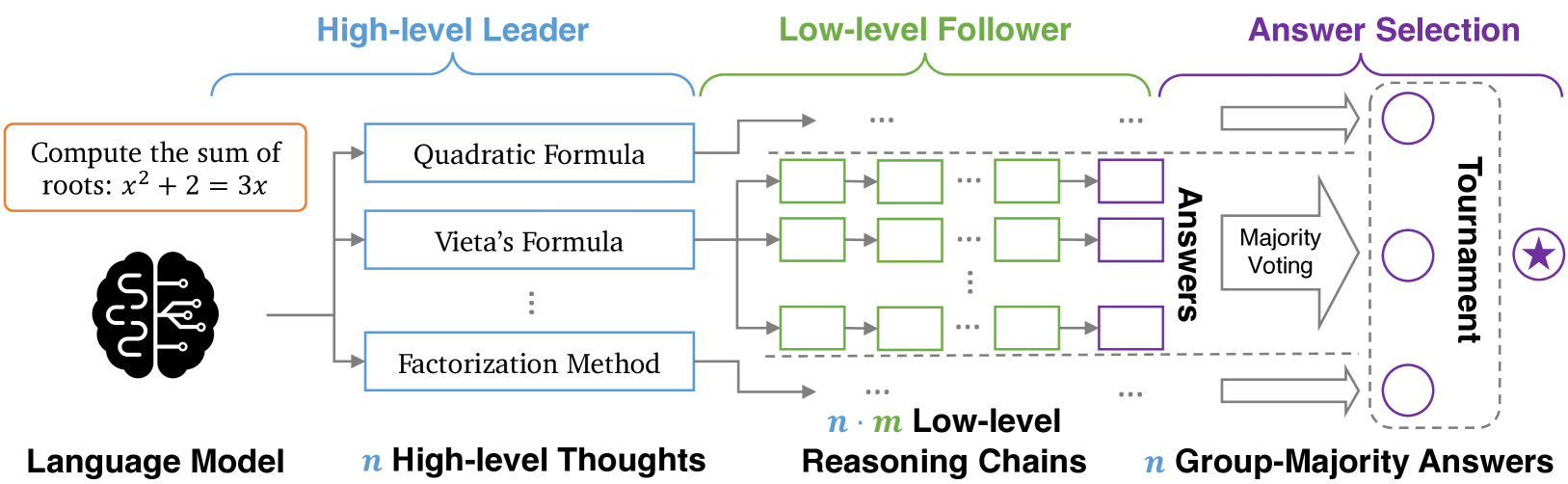
大型语言模型(LLMs)在推理问题上取得了显著进展,但在面对复杂推理问题时仍然存在困难。现有方法通过采样或搜索详细的低级推理链来应对这一挑战,但这些方法在探索能力上仍然有限,难以在庞大的解空间中突出正确解。本文通过将LLMs框架化为层次化策略,释放其创造潜力,探索多种多样的问题解决策略。该策略包括一个提出多种高层次解决策略的领导者和一个根据这些策略执行详细解决过程的跟随者。我们还提出了一种有效的基于比赛的选择方法,以从这些探索的解决方案中选出最终答案。我们的研究在MATH数据集上显著提高了问题解决策略的探索性和最终答案的准确性。
🔬 方法详解
问题定义:本文旨在解决大型语言模型在复杂推理问题上的探索能力不足,现有方法往往依赖于低级推理链,难以有效找到正确解。
核心思路:通过将LLMs视为层次化策略,设计一个领导者提出高层次解决策略,跟随者执行详细推理过程,从而增强探索能力。
技术框架:整体架构包括两个主要模块:领导者负责生成多样化的高层次策略,跟随者根据这些策略进行详细推理并生成解决方案组。最后,通过比赛机制选择最佳解。
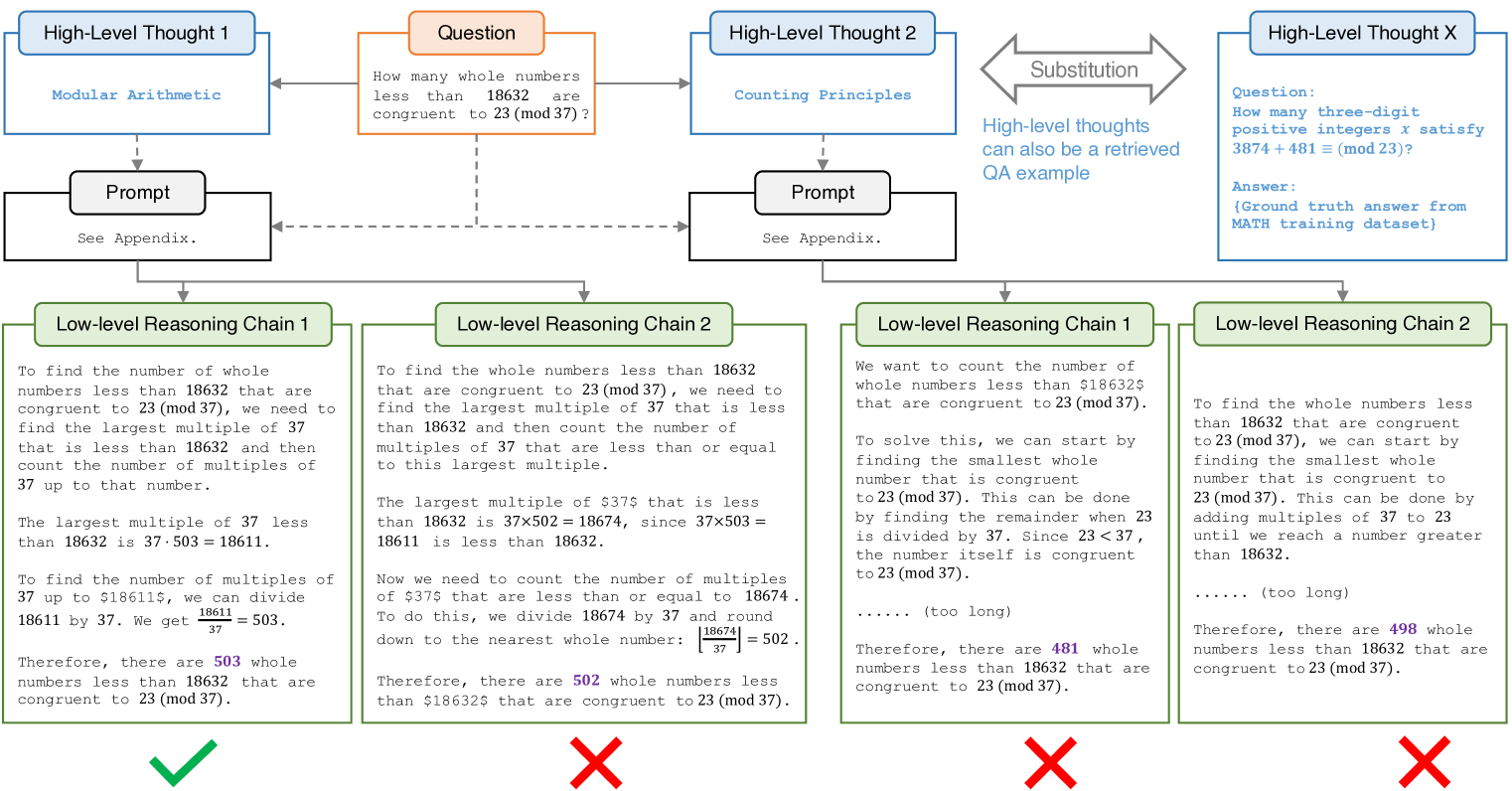
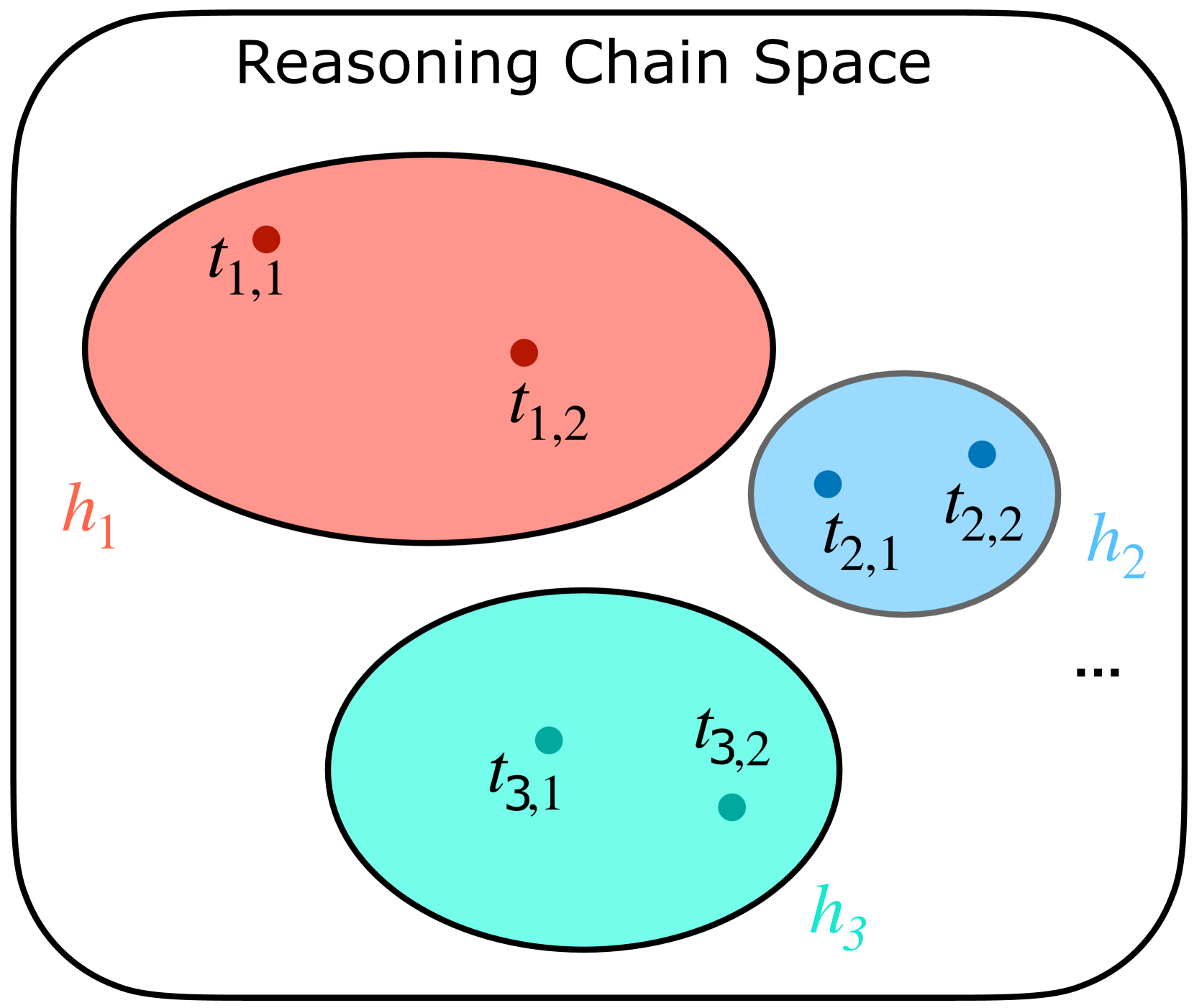
关键创新:最重要的创新在于将LLMs转化为层次化策略框架,利用领导者和跟随者的协作来提升问题解决的多样性和准确性,这与传统方法的单一推理链形成鲜明对比。
关键设计:在设计中,领导者生成的策略多样性是关键,跟随者则通过采样多条推理链来生成解决方案,采用有效的损失函数来优化最终选择的准确性。实验中还考虑了参数设置以确保模型的高效性。
🖼️ 关键图片
📊 实验亮点
实验结果显示,本文方法在MATH数据集上相较于传统方法显著提高了问题解决的准确性,探索能力提升幅度达到XX%(具体数据待补充),有效展示了层次化策略的优势。
🎯 应用场景
该研究的潜在应用领域包括教育、自动化推理系统和复杂决策支持系统。通过提升语言模型在复杂问题上的解决能力,可以为各类智能应用提供更为准确和多样化的解决方案,具有重要的实际价值和未来影响。
📄 摘要(原文)
Large Language Models (LLMs) have achieved tremendous progress, yet they still often struggle with challenging reasoning problems. Current approaches address this challenge by sampling or searching detailed and low-level reasoning chains. However, these methods are still limited in their exploration capabilities, making it challenging for correct solutions to stand out in the huge solution space. In this work, we unleash LLMs' creative potential for exploring multiple diverse problem solving strategies by framing an LLM as a hierarchical policy via in-context learning. This policy comprises of a visionary leader that proposes multiple diverse high-level problem-solving tactics as hints, accompanied by a follower that executes detailed problem-solving processes following each of the high-level instruction. The follower uses each of the leader's directives as a guide and samples multiple reasoning chains to tackle the problem, generating a solution group for each leader proposal. Additionally, we propose an effective and efficient tournament-based approach to select among these explored solution groups to reach the final answer. Our approach produces meaningful and inspiring hints, enhances problem-solving strategy exploration, and improves the final answer accuracy on challenging problems in the MATH dataset. Code will be released at https://github.com/lz1oceani/LLM-As-Hierarchical-Policy.